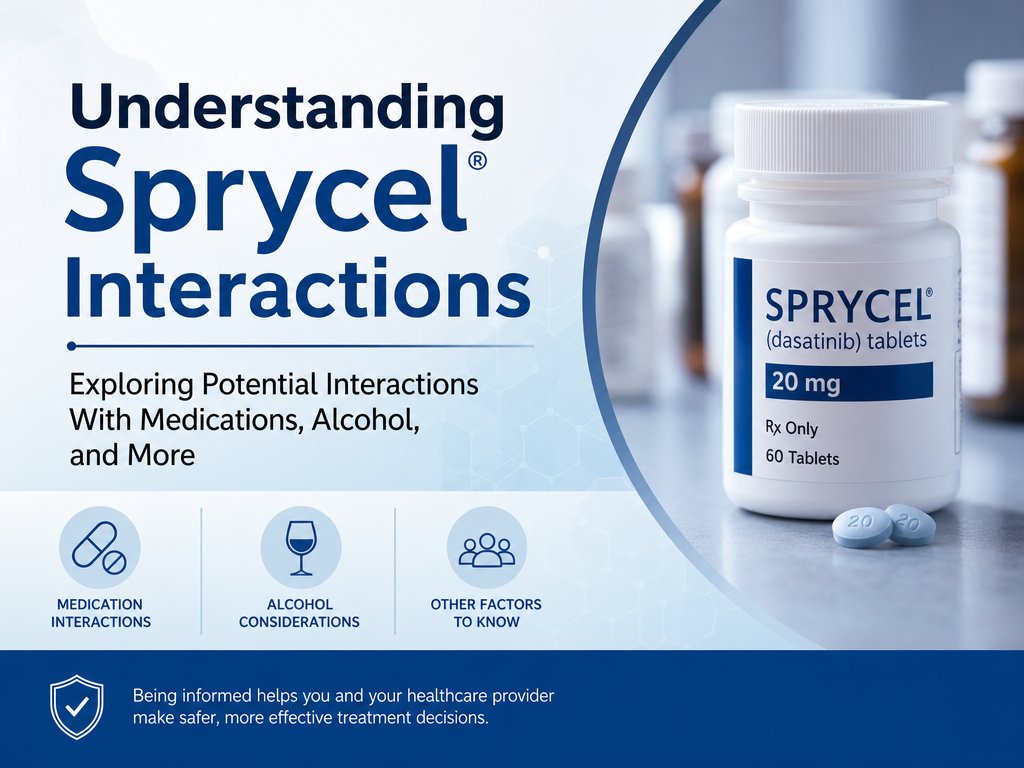
Introduction to Sprycel
Sprycel (dasatinib) is a prescription medication primarily used to treat certain forms of leukemia in adults and some children. This potent drug belongs to a class of medications known as tyrosine kinase inhibitors, which function by blocking the action of abnormal proteins that signal cancer cells to grow. By targeting these specific proteins, Sprycel helps control the proliferation of cancer cells, thereby managing the disease more effectively. Understanding potential interactions between Sprycel and other substances is vital for ensuring both effectiveness and safety, as well as for avoiding complications during treatment.
Medication Interactions
Sprycel can interact with a variety of medications, such as ibuprofen (Advil), antacids, and certain antibiotics, potentially altering their effects or increasing the risk of side effects. Therefore, it is vital to inform your healthcare provider about any prescriptions, over-the-counter (OTC) drugs, or supplements you are taking before starting Sprycel. Your healthcare provider can evaluate your medication regimen to ensure that there are no adverse interactions that could compromise your treatment. Ensuring transparency with your healthcare provider helps in tailoring a treatment plan that suits your individual health needs and minimizes the risk of adverse interactions.
Interaction with NSAIDs
Nonsteroidal anti-inflammatory drugs (NSAIDs) like ibuprofen are commonly used to relieve pain and reduce inflammation. However, they can increase the risk of bleeding when taken with Sprycel. This is particularly important for patients undergoing cancer treatment, as they may already have compromised health due to their condition. Your doctor might suggest using alternatives such as acetaminophen (Tylenol), which provides pain relief without the added risk of increased bleeding associated with NSAIDs. Discussing options with your healthcare provider ensures you select the safest pain management strategy while maintaining the integrity of your treatment.
Acid-Reducing Drugs
Medications such as H2 blockers and proton pump inhibitors (PPIs) are used to reduce stomach acid, providing relief from conditions like acid reflux and peptic ulcers. However, these drugs can also decrease Sprycel’s absorption in the gastrointestinal tract, thereby diminishing its efficacy in treating leukemia. To avoid this interaction, it is recommended to use antacids as a safer option, but they should be taken at least two hours apart from Sprycel to prevent any interference with its absorption. Proper timing of medication intake can improve Sprycel’s absorption and therapeutic effect, so coordination with your healthcare provider is essential.
Antibiotics Interaction
Antibiotics are essential for treating bacterial infections, but certain types, such as erythromycin or clarithromycin, can lead to increased levels of Sprycel in the body. This can result in heightened side effects and potentially affect heart rhythm, increasing the risk of conditions like long QT syndrome. If antibiotic treatment becomes necessary while on Sprycel, your healthcare provider may need to adjust your medication dosage or recommend closer monitoring to mitigate these risks and ensure that the cancer treatment remains effective and safe. Open dialogue with your healthcare provider allows for timely adjustments in treatment plans and ensures your safety during antibiotic use.
Alcohol and Dietary Considerations
While Sprycel is not known to interact directly with alcohol, it can cause side effects similar to those experienced when consuming alcohol, such as headaches and liver issues. Therefore, it is prudent to avoid alcohol to ensure that these side effects are not compounded, maintaining overall health and well-being while undergoing treatment. Limiting or avoiding alcohol ensures a more stable treatment process and reduces overall health risks.
Sprycel can also interact with grapefruit and grapefruit juice, which contain compounds that increase the drug concentration in the body. This can lead to potentially dangerous levels of the medication, heightening the risk of severe side effects. To avoid this risk, it is advisable to eliminate grapefruit products from your diet while on Sprycel treatment. Making informed dietary choices can significantly improve treatment outcomes and prevent complications.
Supplements, Vaccines, and Lab Tests
Certain supplements, such as those containing sodium bicarbonate and calcium carbonate, may lower Sprycel absorption, thus interfering with its therapeutic effectiveness. Additionally, herbal remedies like St. John’s wort can reduce its effectiveness due to enzyme alterations caused by these supplements. Communicating with healthcare providers about all supplement use ensures a comprehensive assessment of any potential effects on your treatment.
Vaccinations might be less effective during Sprycel treatment because the medication can suppress the immune system, reducing the body’s ability to respond to vaccines and mount an appropriate immune defense. Speaking with healthcare providers about the timing and necessity of vaccinations during Sprycel therapy can help optimize protection against infections while undergoing treatment. Coordination with healthcare providers regarding vaccination timing can further protect against preventable diseases without compromising overall treatment efficacy.
Other Considerations
Patients with pre-existing heart conditions, low potassium or magnesium levels, or any liver issues should be particularly cautious when using Sprycel due to the increased risks associated with these conditions. Furthermore, pregnant or breastfeeding women are advised against using this medication because of the potential risks it poses to the fetus or nursing child, such as developmental issues and other health concerns. Ensuring appropriate pre-treatment assessments help in identifying potential risks.
Monitoring ongoing health status is also essential. Regular consultations with a healthcare professional to assess blood counts, electrolyte levels, and overall health can help detect any early signs of complications associated with Sprycel. This proactive approach allows for timely interventions and can contribute significantly to maintaining treatment success and minimizing potential adverse effects. Engaging with healthcare professionals consistently helps in recognizing any treatment-related concerns early and enables prompt management.
Final Recommendations
Being well-informed about potential interactions and side effects associated with Sprycel plays an essential role in maintaining its efficacy and ensuring the safety of leukemia treatment. Always consult healthcare professionals for personalized advice and adhere to prescribed guidelines to achieve optimal safety and results. Adjusting your medication routine as per medical advice can minimize adverse effects and maximize the potential benefits of this crucial cancer therapy. Being proactive and vigilant can significantly improve treatment outcomes and quality of life for those using Sprycel. Furthermore, sharing comprehensive medical histories, including all medications and supplements being taken, with healthcare providers ensures a tailored and safe approach to using dasatinib. Actively participating in health decisions contributes to feeling empowered and confident throughout the course of treatment. Proactive engagement with healthcare providers, open communication about all medications, and maintaining a collaborative approach to treatment decisions can greatly enhance patient comfort and success in managing their leukemia therapy effectively.