Introduction to High-Functioning Autism
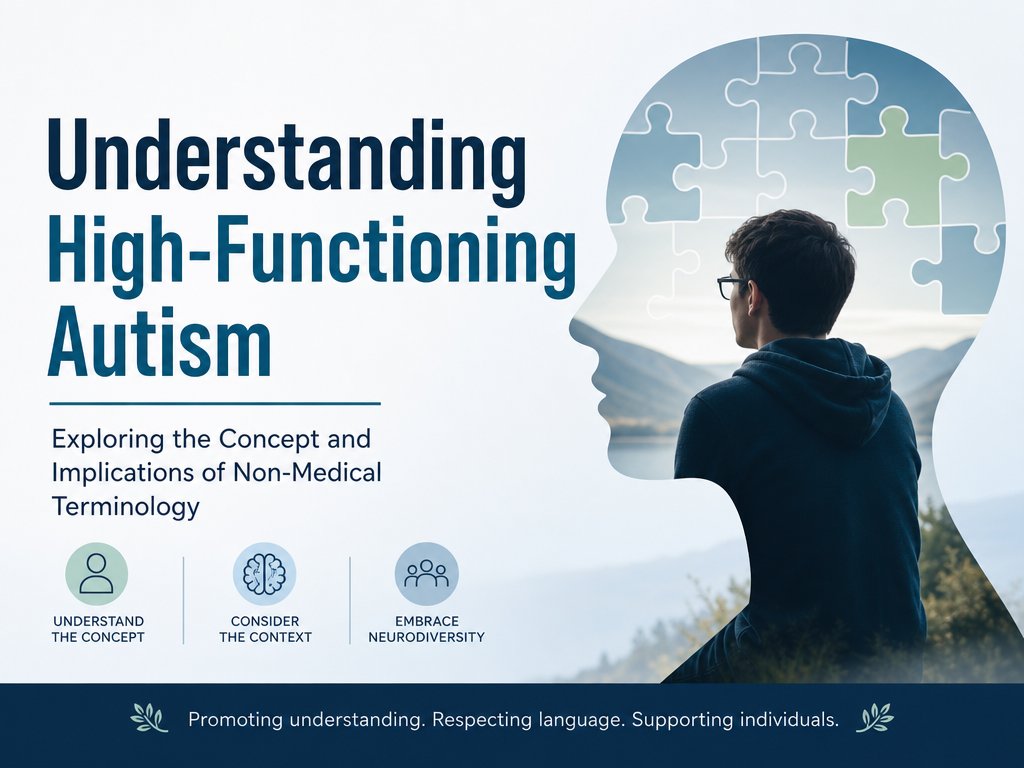
While not a formal medical diagnosis, the term “high-functioning autism” is often used by people to describe individuals on the autism spectrum who can read, write, communicate, and handle life skills with little support. This term, though unofficial, helps convey the idea that not all individuals on the spectrum experience the same level of challenges, and some can navigate daily life with more ease.
Understanding Autism Spectrum Disorder
Autism, technically referred to as autism spectrum disorder (ASD), is a neurodevelopmental condition marked by challenges with social skills, communication, and sometimes repetitive behaviors. People on the spectrum vary greatly in their support needs; some require minimal help, while others need substantial ongoing assistance. The diversity seen in individuals with ASD underscores the importance of personalized approaches in understanding and supporting their unique challenges and abilities.
The Shift from Asperger’s Syndrome
The term “high-functioning autism” was more common before the Diagnostic and Statistical Manual of Mental Disorders, Fifth Edition (DSM-5) update in 2013, which removed Asperger’s syndrome as a separate diagnosis. Symptoms similar to Asperger’s are now generally included under ASD. For many, this change helped consolidate the understanding of autism as a spectrum and ensure that all individuals receive appropriate support and recognition for their specific needs.
Levels of Autism Spectrum Disorder
ASD is classified into three levels based on the amount of support required. Level 1 requires the least support, while Level 3 requires the most. Determining the precise level can be complex and often involves assessments like the Autism Diagnostic Observation Schedule, Second Edition (ADOS-2). These assessments help pinpoint specific areas of need and guide the development of tailored support services.
Diagnosis and Support
Early diagnosis, as early as 18 months, is ideal for effective intervention. However, many diagnoses occur later due to various factors, including the subtlety of symptoms and access to diagnostic resources. Immediate consultation with an ASD specialist is advisable if autism is suspected, to ensure a thorough evaluation and timely access to supportive services.
Tailored Support for ASD
There are no universal standards for ASD treatment; instead, support is customized based on individual needs. Those at Level 2 or 3 will often require more intensive, lifelong support interventions compared to Level 1. Interventions might include speech and occupational therapy, behavioral interventions, and educational accommodations designed to promote independence and quality of life.
Redefining High Functioning Autism
Today, the term “high-functioning autism” often aligns with Level 1 ASD. Despite its lack of official recognition, the term persists in common usage, pointing towards individuals with similar traits to those historically diagnosed with Asperger’s syndrome. It highlights the potential for individuals to live independently while acknowledging ongoing challenges.
If you suspect that you or your child could have ASD symptoms, seeking evaluation from a doctor or specialist is crucial. Timely assessment can lead to early intervention, which can significantly impact life outcomes by providing personalized support and resources necessary for development and well-being.