Introduction to Meningitis and Its Serogroups
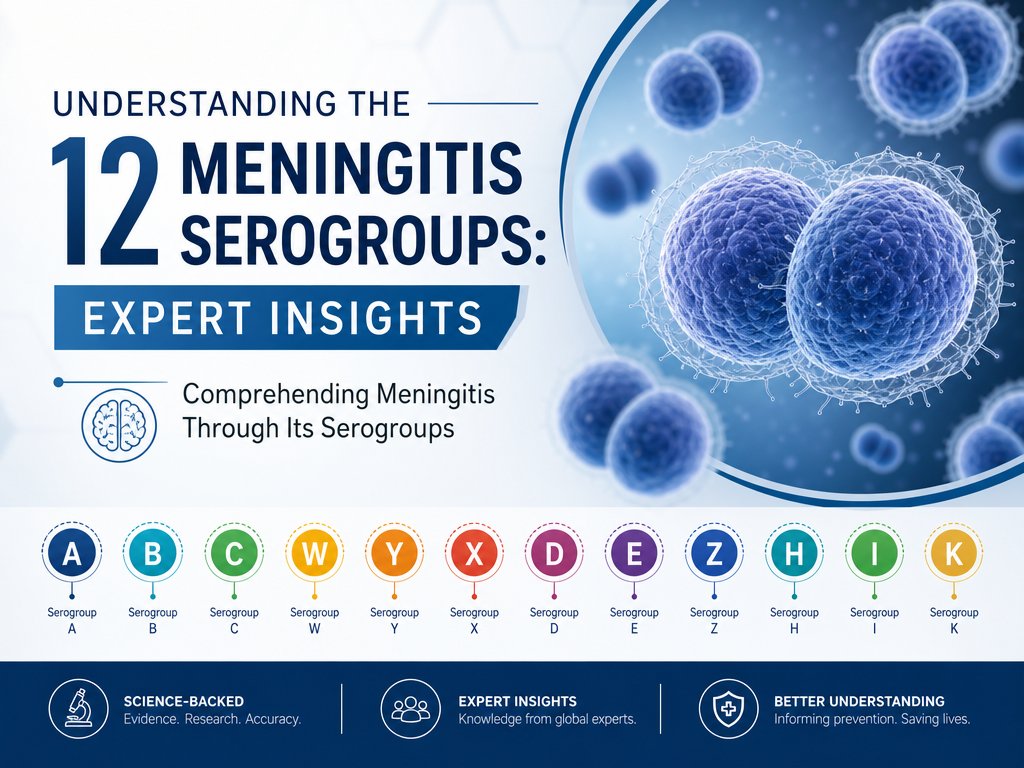
Neisseria meningitidis is recognized as the leading cause of bacterial meningitis. Classified into 12 serogroups based on the composition of its protective polysaccharide capsule, six serogroups (A, B, C, W, X, and Y) are mainly responsible for severe cases around the globe.
Regional Variations and Impact of Vaccination
The prevalence of these serogroups varies across regions and shifts over time. Historically, serogroup A caused significant outbreaks in sub-Saharan Africa, but the advent of the MenAfriVac vaccine drastically reduced its cases. In contrast, serogroups B, C, W, and Y dominate in regions like the Americas, Europe, and Australia. The United States has seen a notable rise in disease cases since 2021, primarily due to antibiotic-resistant serogroup Y.
Importance of Identifying Serogroups
Understanding the prevalence of different serogroups is essential for guiding vaccination strategies to prevent disease spread. Serogroup B is particularly notable as a global cause of meningitis, and serogroup W has been linked to higher mortality rates.
Impact on Treatment and Prevention
While serogroups do not dictate treatment methods, which generally involve antibiotics like ceftriaxone or ciprofloxacin, antibiotic resistance can dictate changes. Knowledge of serogroups is vital for preventive measures, with vaccines like MenACWY and MenB targeting specific serogroups.
Conclusion
The identification of meningitis serogroups plays a critical role in disease prevention and management strategies. It enables tailored vaccination plans and informs treatment decisions, ensuring effective management of meningococcal disease globally.