Introduction to A Positive (A+) Blood Type
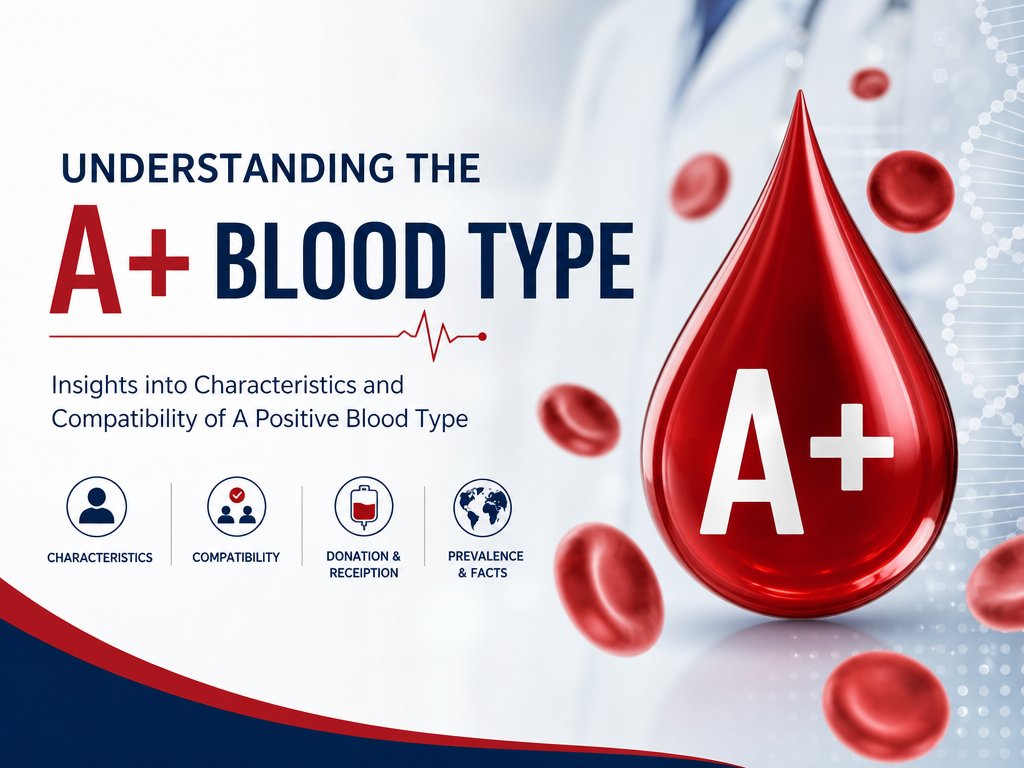
If your blood type is A+, you are part of the 33% of Americans who share this blood group. This type is characterized by the presence of type-A antigens and the Rhesus (Rh) factor on red blood cells, which is significant in the context of donating or receiving blood. A+ blood is one of the most accepted types, allowing flexibility in donation as well as reception, making it crucial for medical situations where blood may be scarce.
Genetic Inheritance of Blood Types
Blood types are inherited from parents through specific allele combinations. For instance, an individual with an A blood type might have one parent with AB blood type, or one with AB and the other with B. There are limitations and variations in how A blood type can be passed down, based on parental genetics. Therefore, the compatibility of blood types based on parental genetic make-up is significant, extending beyond just the immediate generation.
The Role of A+ Blood Type in Transfusions
Proper blood matching is critical for successful transfusions. An incorrect match can cause a harmful immune response due to the introduction of antibodies that the body recognizes as foreign. While A+ is a common blood type, transfusions require meticulous attention to ABO group compatibility and Rh factors to avoid complications. These safeguards ensure that individuals receive the most compatible blood and reduce the risk of adverse reactions.
The ABO Blood Group System and Rh Factors
The ABO blood group system classifies blood based on the presence of antigens on the surface of cells, resulting in common types such as A+, B+, and O+. The Rhesus factor further categorizes blood into positive or negative types, making classifications like A- or A+. This system influences donor-recipient matches significantly, determining who can give to whom and under what circumstances.
Blood Type and Personality Theories
Although scientifically unproven, cultural beliefs, particularly in Japan, associate personality traits with A+ blood type, a notion known as “ketsuekigata.” While these theories enjoy popularity in some circles, there is no scientific evidence to thoroughly support these beliefs. However, this cultural aspect adds an interesting dimension to how blood types are perceived globally.
Dietary Considerations for A+ Blood
The concept of blood type diets was popularized by the book “Eat Right for Your Type,” which suggests that individuals with A+ blood type consume specific foods that purportedly benefit their health. Despite its popularity, this concept lacks scientific backing, and existing research does not establish a connection between these diets and improved health outcomes. As a result, individuals with A+ blood are encouraged to focus more on balanced nutrition over diet gimmicks.
The Importance of Knowing Your Blood Type
Knowing your blood type is highly important, particularly for medical situations such as transfusions. If your blood type remains unknown, having it tested is a wise step to ensure you are prepared for any future emergencies or necessary medical procedures. Being informed about your blood type not only benefits your personal medical care but also enables you to contribute effectively as a potential blood donor, knowing that your blood type can offer lifesaving help to those in need. Additionally, understanding your blood type plays a key role in situations like pregnancy, where compatibility between the mother’s and baby’s blood types can prevent complications.