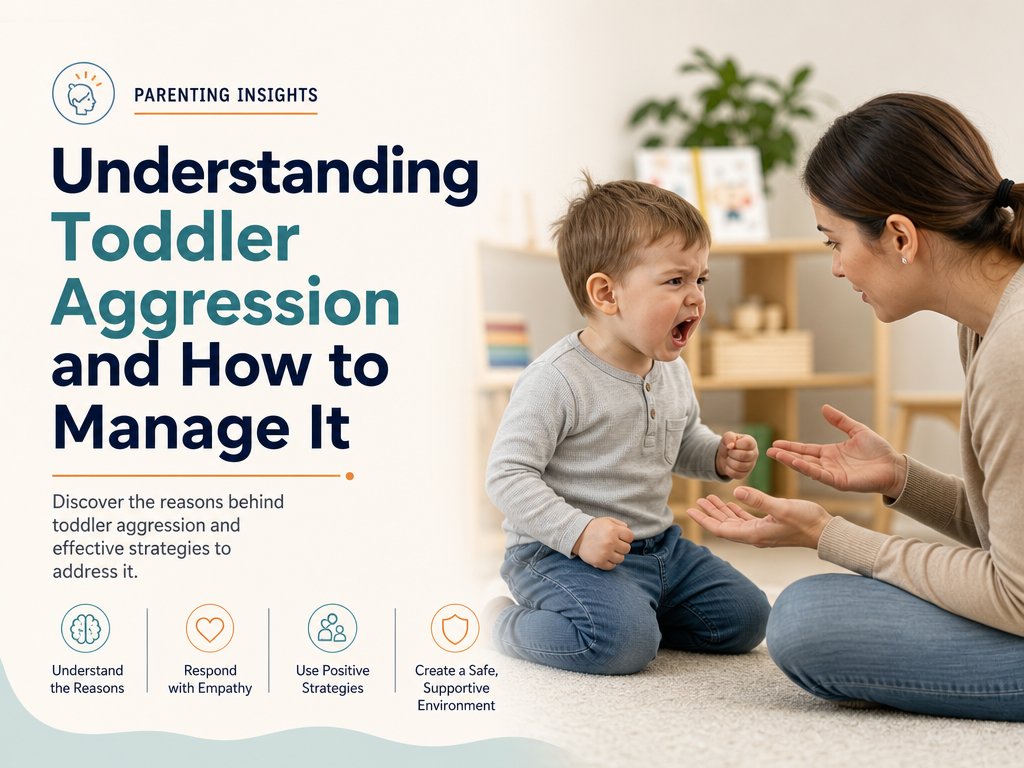
Introduction to Toddler Aggression
Parenting a toddler can indeed be a challenging experience, especially when they frequently exhibit aggressive behavior like hitting. Understanding the reasons behind their actions and learning how to address them can be crucial for parents, as it helps lay down a foundation for healthier communication and interaction as the toddler grows. Additionally, recognizing the root causes of aggressive behavior can aid in addressing broader behavioral issues effectively, ensuring that the child grows in a nurturing environment. Moreover, addressing these behaviors early on can facilitate better social interaction in the long run, helping children become well-adjusted individuals.
Why Do Toddlers Hit?
Impulse Control and Testing Boundaries
Many toddlers hit due to an absence of impulse control, often testing the limits of acceptable behavior. They might not fully understand that hitting can hurt others, as their empathy and comprehension of right and wrong are still in the process of developing. This means that they are in a phase of exploration of the world around them, and part of this exploration involves seeing how their actions affect others, both positively and negatively. In this developmental stage, it’s not uncommon for them to push boundaries as a way to gain a better understanding of social norms. Through consistent guidance and gentle correction, toddlers can gradually learn appropriate ways to interact with others.
Emotional Expression
Toddlers often express strong emotions, such as frustration, excitement, or anger, through hitting, due to their limited language skills and self-control. This behavior can occur without provocation and often stems from a desire to understand the consequences of their actions. As their communication skills are still maturing, hitting becomes a physical outlet for their feelings. It is crucial to recognize that this mode of expression is a natural part of development and not simply an act of defiance or malice. Helping them name their emotions can be a beneficial first step in guiding them to express themselves more appropriately.
Strategies to Address Hitting
Redirection and Positive Reinforcement
Parents can redirect aggressive behavior by teaching toddlers alternative ways to express themselves, like using words or removing them from the situation to help them calm down. Demonstrating alternative actions, such as hugging, using gentle touches, or expressing emotions through play, can provide them with practical tools for managing their feelings. Positive reinforcement when they behave appropriately can encourage better habits, making them more likely to repeat positive actions in the future. Reinforcement can be verbal praise or small rewards that reinforce good behavior, making it clear that peaceful interactions are rewarding.
Understanding Triggers
Identifying what triggers your toddler’s hitting can help preemptively address situations before they escalate. By observing your child’s behavior closely, you can garner insights into these triggers. For instance, situations that involve sharing toys or spending extended time away from home may represent potential triggers. By recognizing these patterns, parents can more effectively prepare for or even avoid situations that provoke aggressive behavior, creating a calmer atmosphere for everyone involved. Pre-planning for potentially challenging situations, by providing distractions or setting clear expectations, can ease tension and reduce the likelihood of hitting incidences.
Effective Communication
Teach your toddlers to express and identify feelings through words. Explaining emotions and appropriate responses, tailored to their level of understanding, can foster better emotional regulation. Encouraging them to verbalize what upsets or frustrates them not only aids in de-escalating a tense situation but also contributes to the development of their emotional vocabulary. This skill serves them well as they continue to grow, preparing them for future social interactions and aiding in the development of empathy. Consistently modeling the use of “feeling words” and offering verbal alternatives to physical actions provides a solid framework for effective communication.
Maintaining a Calm Approach
Remaining calm and authoritative when addressing hitting can set a positive example for your toddler. Avoiding punitive measures like spanking can help you model the behavior you wish to see, fostering a nurturing learning environment. Demonstrating calm responses to aggression teaches children that issues can be resolved peacefully, without escalation or additional aggression. This approach not only models self-control but also builds trust between parent and child. The foundation of a calm resolution process reassures the toddler that they are safe and loved, encouraging them to approach future conflicts with similar assurance and composure.
Conclusion
Handling toddler aggression requires patience and consistency. Parents need to remain aware and responsive to the ongoing emotional and developmental needs of their toddlers. By combining understanding with practical strategies, such as those outlined above, parents can help their children navigate their emotions and actions, paving the way for more harmonious interactions as they grow and develop. Addressing aggression proactively will not only help manage hitting but also contribute to the child’s overall emotional intelligence and self-awareness in the long term. This balanced approach to discipline and guidance ensures the child’s developmental path is both fulfilling and effective. Moreover, with a steady support system and the right tools, children can thrive in an environment that values understanding and communication, preparing them for better relationships throughout their lives. Ultimately, guiding a toddler through these crucial early developmental stages creates a strong foundation for a cooperative and emotionally resilient individual.