Understanding Toenail Fungus and Its Effects
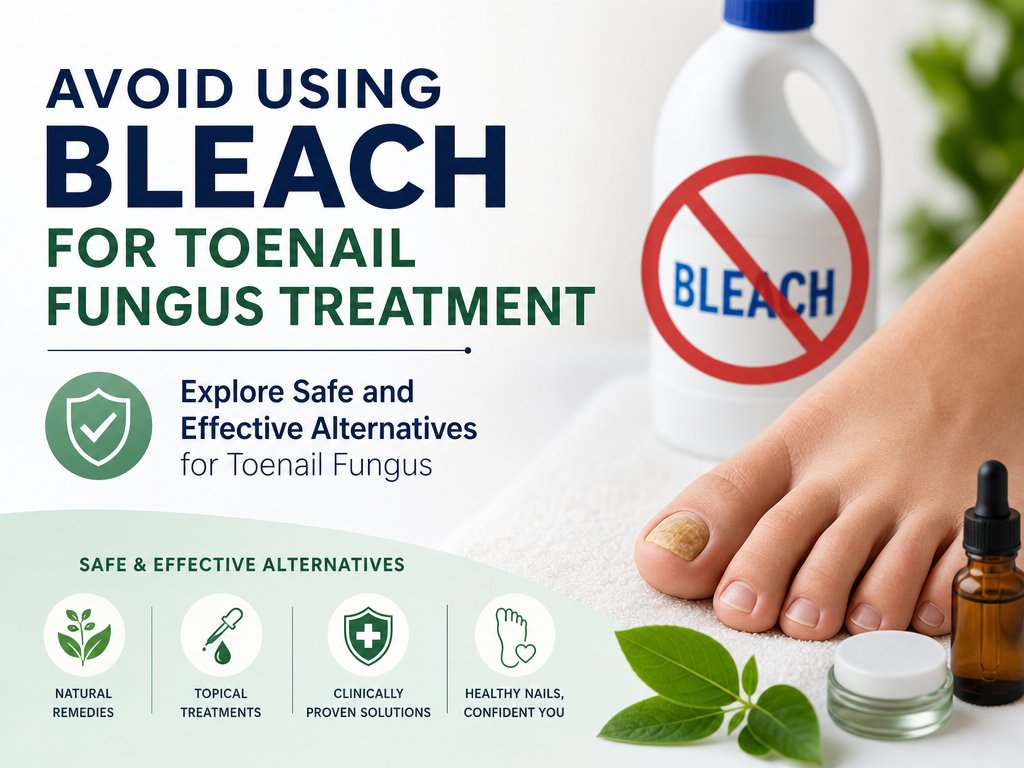
Toenail fungus can significantly alter a healthy toenail into one that is discolored, thickened, and prone to cracking. This condition is a common ailment many people face, yet it is often overlooked until it becomes severe, potentially impacting one’s daily life and well-being. Some individuals, in desperate attempts to treat the infection, consider using various household products like bleach to address it. Nonetheless, this approach is not advised due to potential risks and inefficacy. Instead, recognizing the signs of toenail fungus early and seeking proper medical guidance can lead to more effective treatment outcomes.
Why Bleach is a Risky Option
Bleach, particularly sodium hypochlorite, has the potential to exacerbate toenail fungus instead of improving it, and can consequently increase the risk of a toenail infection. It is a strong chemical known for its cleaning and disinfecting properties but is not suitable for treating toenail fungus. Applying bleach directly to the affected toenail can lead to further complications, as it can damage both the skin and the nails, creating an entry point for more fungi and bacteria. Direct application of concentrated bleach can lead to painful chemical burns and irritations due to its harsh nature. Moreover, inhaling bleach fumes is harmful, causing potential respiratory issues especially when used in poorly ventilated areas.
Though bleach baths might be recommended for certain specific skin conditions, such as reducing the chance of bacterial infection due to eczema, they do not constitute an effective solution for the long-term treatment of toenail fungus and might irritate the skin layers, particularly for those without a specific, pressing need. The concentration used in bleach baths is much diluted compared to direct bleach applications, yet even this can be troublesome for sensitive skin.
Using bleach for cleaning items such as nail clippers can aid in the prevention of infection, ensuring that tools are sanitized and reducing the likelihood of transmitting fungi from one nail to another, but it does not serve as a standalone treatment plan for active fungal infections. Always exercise caution while using bleach, adhering strictly to safety guidelines to prevent harmful reactions and ensure no skin contact. It’s imperative to avoid mixing bleach with other cleaning agents due to the chance of producing toxic gases, like chlorine gas, which can be harmful when inhaled. The serious nature of these potential reactions should not be underestimated, as resulting symptoms can cause significant health concerns.
Effective Treatments for Toenail Fungus
Medical professionals often prescribe antifungal medications, such as terbinafine or itraconazole, which may demand prolonged usage over several weeks to months to achieve their desired effectiveness. These medications can be administered orally or topically, depending on the specific needs of the patient. It’s important to note that these anti-fungal treatments come with potential side effects that should be carefully considered and discussed with a healthcare provider. Liver function tests might be performed to monitor the body’s response to these medications, underscoring the importance of medical supervision when evaluating treatment options. In some cases, these tests can detect early signs of potential liver damage, prompting timely interventions.
Laser therapy emerges as an alternative treatment, involving the application of light to the affected nail to reduce fungal growth. This method targets the fungus without damaging the surrounding tissue, offering a promising option for those seeking non-invasive treatments. Additionally, medical professionals may perform specific procedures to remove damaged nail layers, helping to treat the infection locally and clear up damaged portions. In severe cases, the entire nail might be removed surgically to address the infection more effectively. Such surgical options, while more invasive, could offer more immediate relief from discomfort.
Maintaining Nail Health and Preventing Recurrence
Toenail fungal infections, referred to scientifically as onychomycosis, tend to recur even after successful treatment because spores can remain dormant in nail beds or footwear. Therefore, preventive measures, in conjunction with treatment, play an essential role in maintaining nail health. Preventive strategies such as avoiding walking barefoot in communal areas such as gym showers or swimming pools, wearing moisture-wicking socks, and rotating footwear can significantly lower the risk of re-infection. Keeping feet clean and dry, using appropriate footwear, ensuring shoes are breathable, and practicing general foot hygiene can significantly reduce the risk of re-infection.
If concerns about toenail fungus persist despite these measures, consulting a doctor or a dermatologist for personalized treatment advice and an appropriate action plan tailor-suited to specific cases, based on the severity and progression, is highly recommended. This consultation can help clarify doubts and set realistic expectations about the treatment duration and outcomes, helping patients adhere to the prescribed regimen and achieve better results. Understanding the importance of continuous care and regular monitoring can be key to preventing future fungal issues and maintaining overall nail health.