Introduction to Delayed Ejaculation
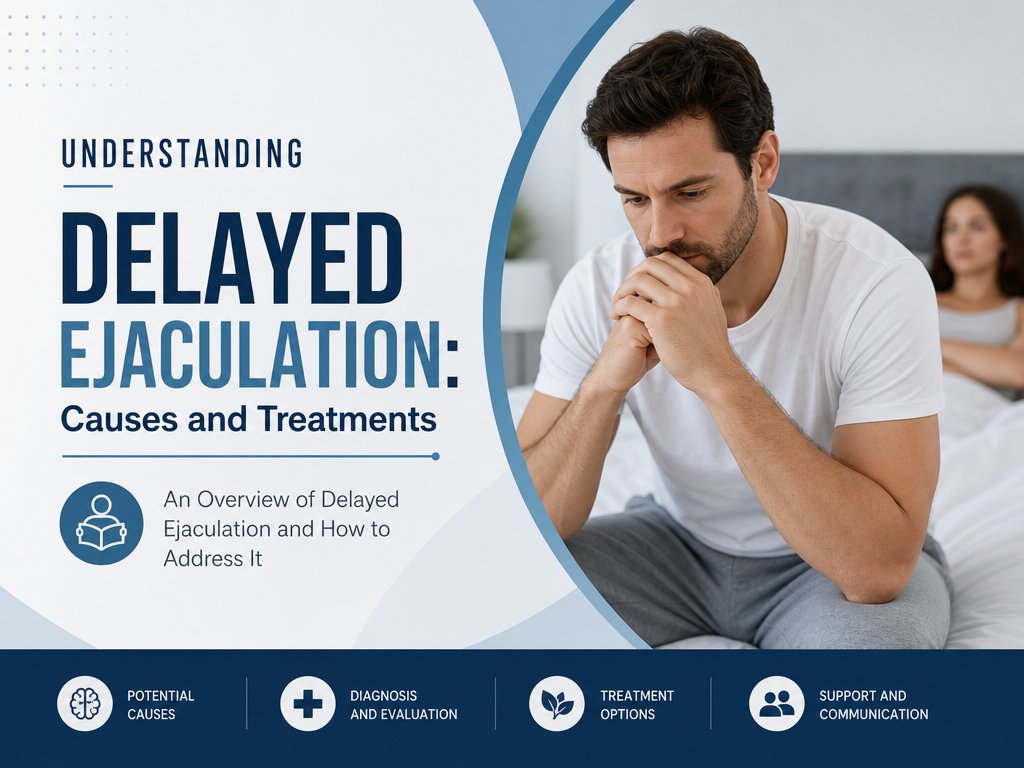
Delayed ejaculation (DE), also known in medical terms as impaired ejaculation, is a prevalent condition characterized by an unusually prolonged period required for a man to achieve ejaculation. In certain cases, this condition might result in an inability to ejaculate altogether. Although DE can sporadically affect many men, it remains a persistent challenge for some throughout their lifetimes. While DE does not pose substantial health risks, its implications can cause significant stress and adversely affect interpersonal relationships due to the frustration and misunderstanding it might induce. However, a variety of treatment options exist to address and manage this condition effectively, providing relief for sufferers and their partners by facilitating a better understanding and improving the condition.
The Mechanics of Delayed Ejaculation
DE is typically identified when ejaculation takes more than thirty minutes of purposeful sexual stimulation to occur. In certain instances, ejaculation might occur exclusively through manual or oral techniques, and in some cases, it might not happen at all. DE varies among individuals; for some, it is a chronic condition, while for others it may arise later in life. This condition can manifest across all sexual situations or be restricted to specific contexts, referred to as “situational delayed ejaculation.” Understanding the nuances and particular circumstances under which DE occurs can be pivotal for treatment planning and positive outcomes.
Underlying Causes
Delayed ejaculation can result from a multitude of factors, encompassing psychological triggers, chronic health conditions, and the influence of medications. Psychological triggers might derive from traumatic past experiences, societal pressures, anxiety, or depression, all of which can significantly diminish sexual desire. Stress within relationships and disparities between sexual reality and personal fantasy can further hinder sexual performance and exacerbate the condition. Men who perceive their performance as inadequate may develop heightened anxiety, which perpetuates the cycle of dysfunction.
Physical origins contributing to DE can include adverse reactions to certain medications, surgical interventions, or physical trauma. Prescription medications, particularly those taken to treat high blood pressure or depression, are often implicated as contributors to DE. Diagnostic procedures at medical facilities may incorporate physical exams and lab tests to identify hormonal imbalances or underlying infections that contribute to the condition. Moreover, chronic health conditions such as diabetes or neurological disorders may play a considerable role in the development of DE.
Treatment Options
Determining whether the condition is lifelong or induced by external factors such as stress, medications, or lifestyle can facilitate the path toward effective treatment approaches. Modifying current medications or exploring alternative therapies for implicated drugs can be a starting point for those experiencing DE. Some medications, although not explicitly approved for the treatment of DE, have shown effectiveness in managing the symptoms. Adjusting medication dosages or changing the timing of doses with the consultation of a healthcare provider can make a significant difference in improving the condition.
Low testosterone levels can further exacerbate cases of DE, and testosterone supplements may offer improvement in some situations. Additionally, addressing and managing substance abuse is crucial for those whose DE is influenced by dependency issues, as alcohol and recreational drugs can significantly impair sexual performance and overall sexual health.
Psychological therapies, which may include counseling or sex therapy, play an essential role in addressing underlying conditions like depression or anxiety, targeting the root causes of the sexual dysfunction. These therapeutic interventions can foster open communication with partners, helping to alleviate the emotional burden DE may impose on relationships. Being forthright about fears and insecurities surrounding performance can liberate partners, enabling them to work collaboratively toward fostering a healthier and more fulfilling sexual relationship.
Conclusion
While delayed ejaculation presents certain challenges, it also necessitates a deeper investigation into underlying health issues, which, when addressed, may significantly contribute to resolving DE. It is vital for individuals to engage in open and honest discussions with healthcare providers to effectively manage this condition. With the appropriate intervention and adequate support, individuals can bolster their self-esteem and enhance their overall sexual satisfaction and well-being. Recognizing that DE is a common issue can also reduce stigma and encourage more men to seek the help they need. By fostering a more understanding and supportive environment, both sufferers and their partners can find new ways to connect and nurture their relationships, leading to an overall improved quality of life.