Understanding When Your Dog Needs a Vet
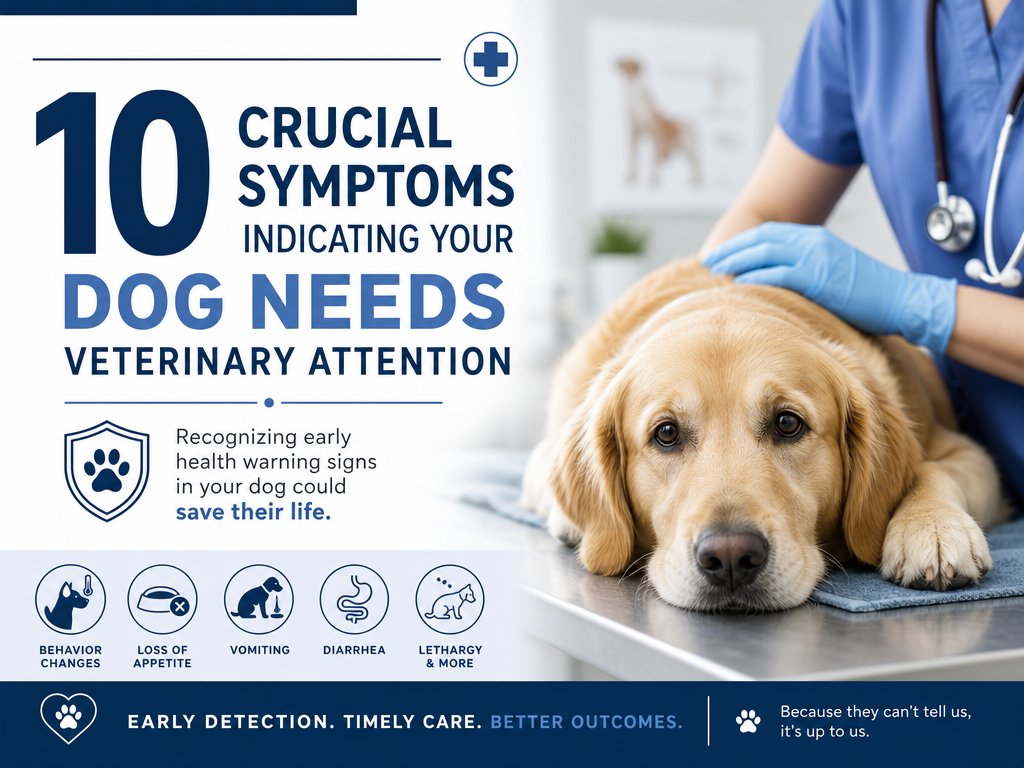
Our pets are family, and ensuring their health demands vigilance. Paying attention to their behavior is crucial. From peculiar eating behaviors to sudden lethargy, pet owners must stay alert to potential health threats. Recognizing signs early can be vital for maintaining and supporting your dog’s overall wellbeing.
Changes in Eating Behavior
If your dog skips meals, especially amid warm weather, it might not seem alarming. However, skipping food for 24 hours is concerning, and 48 hours should definitely prompt a vet visit. Furthermore, changes in eating habits, such as suddenly scavenging or showing an unusual appetite increase, may hint at underlying conditions like diabetes, Cushing disease, or parasites and should be evaluated further by a professional.
Unusual Thirst and Water Consumption
Monitoring your dog’s water intake is crucial, particularly as they grow older. Excessive drinking can signal diseases like kidney issues or diabetes. Noticing frequent need for water bowl refills or increased urination can be an early indication of health problems. Consequently, it’s important to take these symptoms seriously and visit your vet promptly for proper diagnosis and treatment to prevent any further complications.
Coat and Skin Health
A healthy coat is indicative of your dog’s overall health, reflecting proper nutrition and wellbeing. A coat appearing dull, dry, or developing bald patches requires attention, potentially indicating allergies or skin diseases that demand medical assessment. Regular grooming also allows you to detect changes or abnormalities in the skin earlier. Moreover, grooming can be an opportunity to spend quality time with your dog, strengthening the bond you share.
Lethargy and Fatigue
While tiredness can result from high temperatures or excessive activity, persistent lethargy or severe sudden fatigue should not be ignored. Monitoring your dog’s energy levels over time can provide insight into their health. If your dog suddenly becomes lethargic or refuses to engage in activities they previously enjoyed, this could be a sign that something is amiss and needs medical attention to rule out any underlying issues.
Digestive Concerns and Vomiting
Occasional vomiting may be non-threatening, often due to minor dietary indiscretions. However, severe or persistent vomiting is a red flag, requiring timely veterinary assessment to avoid dehydration or diarrhea, which can have serious health consequences if left untreated. It’s important to monitor any changes in your dog’s digestive habits. Frequent episodes may indicate more severe issues like gastrointestinal diseases or blockages.
Observations on Stool
Check your dog’s stool regularly. Healthy stools are small, firm, and moist. Any noticeable changes, such as the presence of blood or mucus, dry or hard stools, might suggest dietary or health issues, necessitating a vet check. Regular observation can help identify potential problems early, allowing for more effective intervention. Consistency in diet and hydration can also positively influence stool quality and overall digestive health.
Unexpected Weight Loss
Sudden weight fluctuation, especially a loss of 10-15% body weight, should alert you to visit the vet. It might indicate underlying health problems, and even a small weight loss in small dogs can be significant. Always keep an eye on your dog’s weight and consult with your veterinarian when unexpected changes occur. Maintaining an appropriate diet and regular exercise is essential for managing healthy body weight.
Eye Health Alerts
Be alert for signs of eye issues—redness, cloudiness, or rapid changes. Eye diseases can quickly escalate to blindness, hence early treatment is crucial. Monitoring your dog’s eyes and being aware of any discharge or discomfort they may exhibit can help in early detection, allowing for timely treatment and prevention of more severe issues. Regular veterinary eye checks can help in monitoring and preventing potential eye conditions.
Rear-related Issues
Dragging the rear often means anal gland issues, worms, or infections. Immediate veterinary advice is advised if these symptoms appear. Keep emergency veterinary contacts handy for swift action in crises. Regular check-ups and grooming can also help prevent or detect these issues before they become significant problems. Being attentive to changes around this area can lead to quick identification and treatment of problems.
Final Reminders
Dogs inherently mask symptoms to appear healthy, posing a challenge for owners. Trust your instincts when something seems off and remain attentive to subtle changes or troubling signs. Contact a professional if you’re in doubt. Building a strong relationship with your veterinarian and routinely visiting them can provide an added layer of assurance in maintaining your dog’s health. Remember that prevention and early detection are key factors in ensuring your beloved canine companion lives a healthy and happy life.