Introduction to Ventricular Resection
Ventricular resection is a significant surgical procedure often performed on patients suffering from severe heart failure, mainly due to an enlarged left ventricle. This operation can markedly enhance both a patient’s lifespan and overall quality of life. As heart failure becomes more debilitating, this surgery aims to restore some degree of normalcy and functionality, offering hope and improving the prognosis for these individuals.
Understanding Cardiomegaly
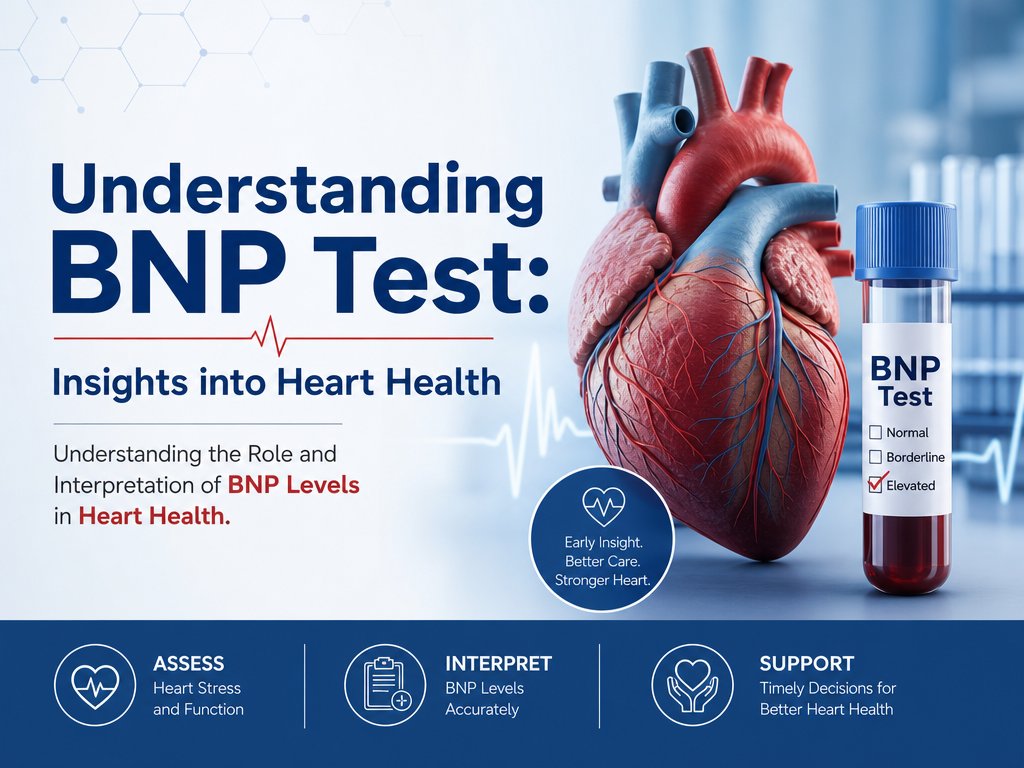
Cardiomegaly, or an enlarged heart, manifests when the heart’s chambers expand or the muscle walls thicken. This condition can lead to heart failure as it results in inefficient blood pumping, stressing the heart further. The increased workload can exacerbate symptoms and complicate treatment, making surgical interventions like ventricular resection crucial in certain cases.
Procedure and Benefits
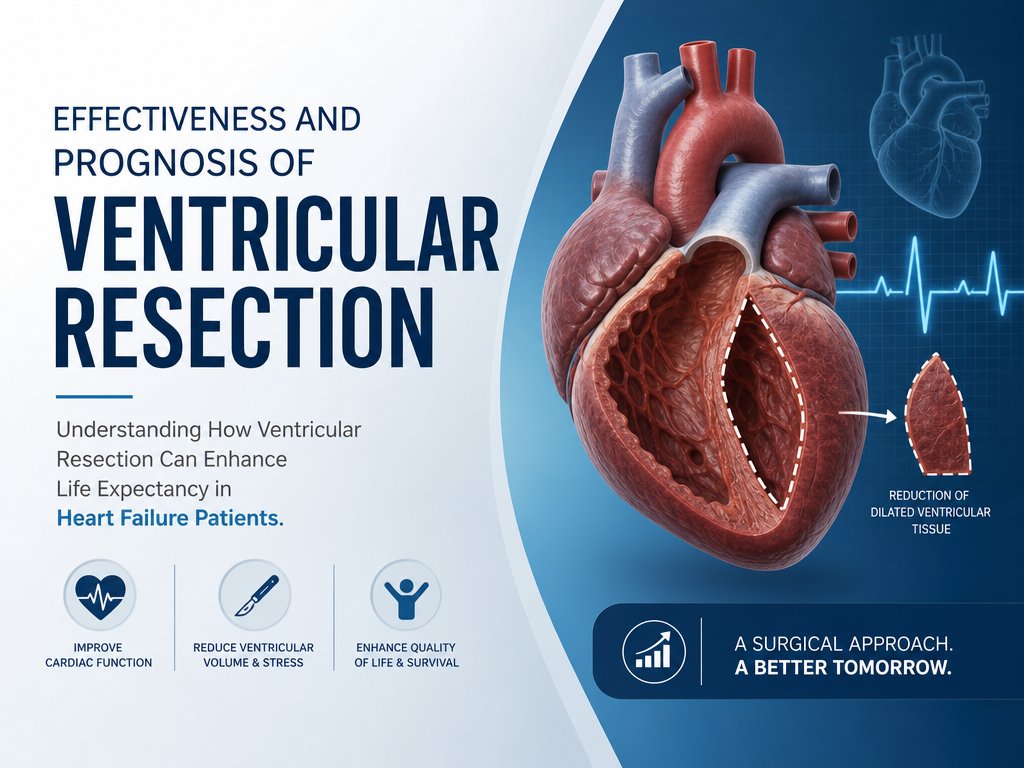
The ventricular resection surgery involves reshaping or reducing the size of the enlarged left ventricle, the primary chamber responsible for pumping oxygen-rich blood to the body. This intervention improves heart function, measured by the left ventricle ejection fraction, and alleviates prominent symptoms of heart failure, such as shortness of breath and fatigue.
Effectiveness of the Procedure
Ventricular resection can extend a patient’s lifespan by about 10 to 15 years, depending on health circumstances. It effectively improves heart function and mitigates symptoms in many patients, although results can vary based on individual health conditions and cardiac ailment severity before surgery.
Survival Rates and Influencing Factors
Research indicates that the survival rate one year post-ventricular resection exceeds 90%, demonstrating the procedure’s immediate effectiveness. However, survival rates decrease over time. The 5-year survival rate ranges between 71.9% to 78%, and about 50% of patients are projected to reach the 10-year milestone, highlighting the need for long-term healthcare strategies.
Despite these varied statistics, it is important to emphasize that ventricular resection targets individuals facing severe heart conditions, prolonging life and improving the quality of living for those affected by such complex conditions.
Factors Impacting Survival
Several factors may affect survival following the procedure. These include the severity of the heart condition prior to surgery and underlying health issues. Regular follow-ups with healthcare providers to monitor recovery and address any potential complications early are crucial. Symptoms such as persistent fatigue, unexpected shortness of breath, or new or worsening cardiac symptoms should prompt immediate medical consultation, ensuring timely management and adaptation of the treatment plan.
Conclusion and Preparations
Patients contemplating ventricular resection should maintain open communication with their doctors to fully understand potential risks, advantages, and outcomes involved in such a critical procedure. Staying informed and proactive in the recovery process can aid in achieving a successful outcome along with a better quality of life post-procedure. Proper preparation and adherence to medical advice during the post-operative phase play a critical role in improving long-term results and encouraging a smoother recovery journey for patients. Addressing lifestyle factors such as diet, exercise, and stress management further complements the surgical intervention, fostering an environment conducive to cardiac health and overall well-being.