Understanding Atrial Fibrillation (AFib) and Stroke Risk
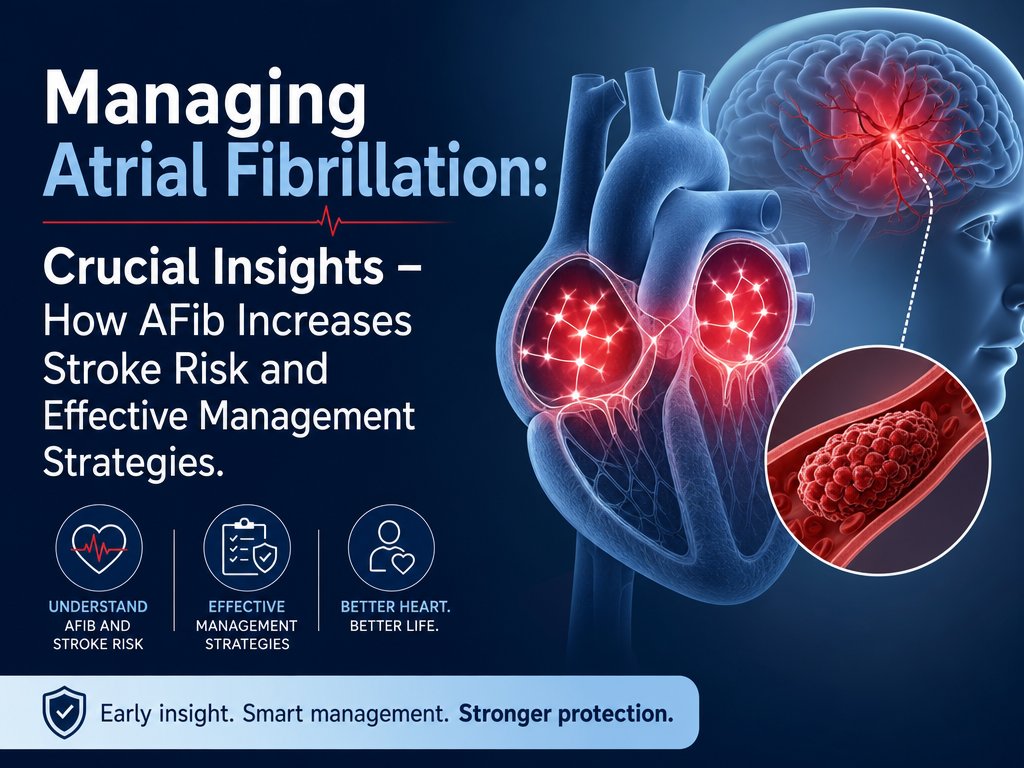
People diagnosed with atrial fibrillation (AFib) face an elevated risk of stroke. AFib is characterized by an irregular heartbeat affecting the atria, the heart’s upper chambers. This condition disrupts normal blood flow, increasing the chance of blood clot formation, which can lead to ischemic strokes. These strokes occur when clots obstruct blood vessels in the brain. The relationship between AFib and stroke risk is well-documented, emphasizing the importance of early diagnosis and proactive management to prevent potential complications.
Heightened Stroke Risk Post-AFib Episode
Research highlights that stroke risk escalates significantly immediately following an AFib episode, particularly within 3 to 5 days. Studies have shown that individuals with cardiac devices who experience AFib episodes lasting over five hours encounter the highest stroke risk during this period. The presence of AFib episodes, especially those exceeding this duration, underscores the need for vigilant monitoring. Having medical oversight, including regular consultations and possible use of blood thinners, can effectively mitigate this risk. This approach empowers patients to manage their condition actively.
Impact on Life Expectancy
Lifestyle and health conditions play crucial roles in determining the life expectancy of individuals with AFib. A 2022 Danish study revealed a 1.5-year reduction in life expectancy for those with heart failure following an AFib diagnosis over a decade. On the contrary, individuals without heart failure might experience variable effects based on their overall health and lifestyle. Factors such as diet, exercise, and comorbid conditions significantly influence outcomes, highlighting the multifaceted nature of AFib’s impact on longevity.
Hydration’s Role in AFib Management
Staying hydrated can help manage AFib, particularly if dehydration is a concern, as it causes electrolyte imbalance. Adhering to a regimen of drinking 6 to 8 glasses of water daily can assist in maintaining adequate hydration, though individual needs may vary. Consulting healthcare professionals to determine appropriate fluid intake is advisable. This simple yet effective measure can support the maintenance of stable heart rhythms and overall cardiovascular health.
Effective Management of AFib
Reducing the risk of AFib-related strokes involves addressing the underlying causes of AFib through lifestyle adjustments, medication, and potentially surgical interventions. Treatment strategies aim to minimize blood clot formation and enhance heart function, ultimately reducing stroke risk. Collaboration between patients and healthcare providers is crucial for creating personalized management plans that consider individual risk factors and therapeutic responses.
Seek Emergency Care for Stroke Symptoms
Recognizing stroke symptoms promptly and seeking immediate medical intervention can be life-saving. Symptoms such as sudden numbness, confusion, or difficulty speaking necessitate urgent medical attention. Swift response can significantly impact outcomes, reducing the likelihood of long-term disability. Public awareness campaigns play a crucial role in educating communities about recognizing stroke signs and the importance of rapid treatment.
Concluding Thoughts
A comprehensive approach combining lifestyle modifications and medical treatment is crucial for managing AFib effectively. This strategy not only lowers the stroke risk but also enhances the quality of life for those living with AFib. Educating patients about their condition, empowering them to make informed choices, and fostering a proactive healthcare environment contribute to more favorable outcomes. Building a supportive network involving family, friends, and medical professionals further aids successful management. By prioritizing education and collaborative care, individuals can achieve a better understanding of their condition, feel more in control of their health journey, and actively participate in their own care plans, ultimately leading to improved long-term health and well-being.
Regular Monitoring with Technology
The integration of technology into the monitoring of AFib has revolutionized patient care. Wearable devices and mobile applications now allow real-time tracking of heart rhythm, providing valuable data to patients and healthcare professionals. This technological advancement enhances the ability to detect new or recurring AFib episodes promptly, allowing timely adjustments in treatment plans. Embracing these technologies not only empowers patients but also enables them to engage actively in collaborative discussions with their healthcare providers. By using technology to monitor AFib effectively, individuals can take preventative steps toward reducing the risk of associated complications, thereby improving overall outcomes and fostering a healthier lifestyle.