The Role of Nicotine Patches in Smoking Cessation
Nicotine patches serve as an instrumental aid for individuals aiming to quit smoking. These adhesive patches are designed to deliver a consistent dose of nicotine directly into the bloodstream throughout the day, which is crucial in helping to control the cravings and withdrawal symptoms that are commonly associated with smoking cessation. By mimicking the steady release of nicotine that smokers receive when using tobacco, these patches can ease the transition to a smoke-free life.
Understanding Expiration Dates on Nicotine Patches
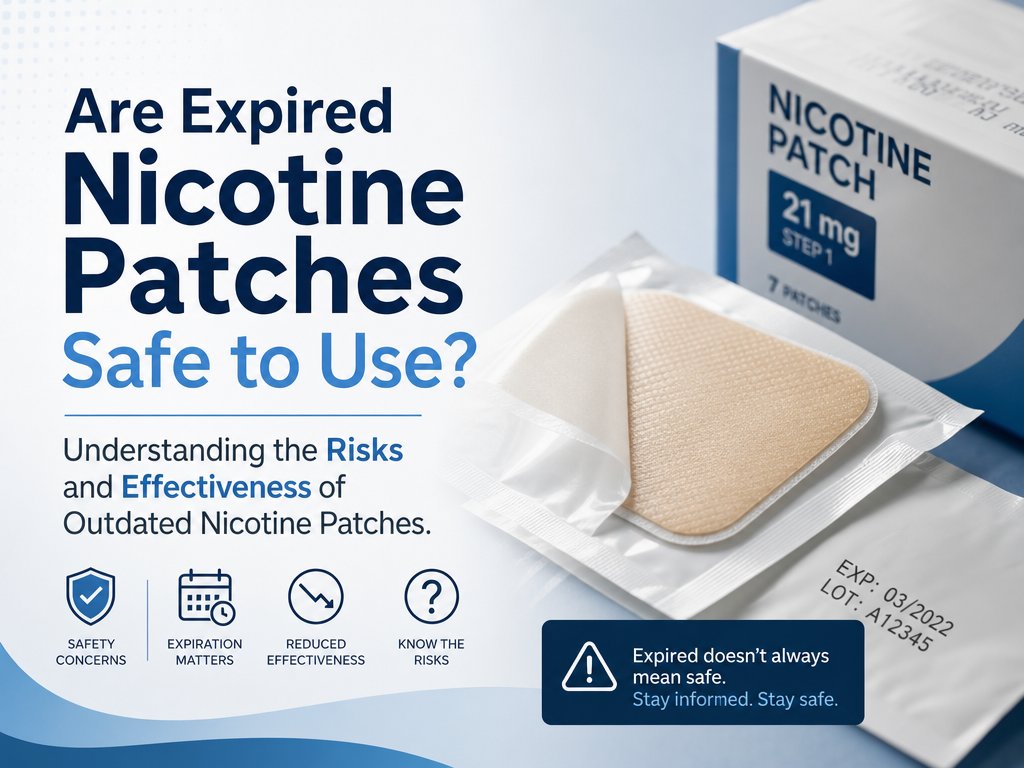
Like all medications, nicotine patches come with an expiration date that is clearly marked on the packaging. It is essential to pay attention to these dates both before purchasing and using the patches to ensure their potency and effectiveness remain intact. This step is crucial in maintaining the integrity of the treatment. Ensuring that nicotine patches are within their expiration period helps guarantee that the treatment provides the intended therapeutic effects necessary for aiding in smoking cessation.
Do Expired Nicotine Patches Work?
It is generally advised against using nicotine patches past their expiration date. According to the FDA, expired medications may not only lose their potency but also potentially develop harmful toxins. Nicotine, being a volatile compound, is prone to breaking down quickly, especially when exposed to light and air conditions. Consequently, using expired patches may fail to deliver the necessary dose of nicotine required for effectively managing withdrawal symptoms, thereby undermining the primary goal of smoking cessation aids.
Potential Risks of Using Expired Patches
Expired nicotine patches might not successfully deliver the required amount of nicotine, thereby increasing the risk of relapse into smoking. Alongside this diminished effectiveness, there exists the potential risk of harmful toxins, which could pose significant health risks, particularly for individuals with compromised immune systems or other health vulnerabilities. Therefore, adhering to expiration dates is not merely a suggestion but a critical component of safe nicotine replacement therapy.
Safe Disposal and Alternatives
When it comes to disposing of expired nicotine patches, it is important to adhere to the manufacturer’s guidelines as outlined in the packaging. Many communities offer specific disposal programs to manage medications safely, thereby preventing environmental contamination or accidental ingestion by children or pets. Proper disposal is an often-overlooked aspect of medication management but is essential for maintaining community safety.
For individuals who are seeking alternatives, nicotine patches represent just one of many available methods. Numerous free resources and support systems exist that are dedicated to assisting with smoking cessation. Consulting with healthcare providers is encouraged to explore a variety of options or receive free treatment advice tailored to individual needs. Options may include other forms of nicotine replacement therapies, such as nicotine gum, lozenges, inhalers, or even non-nicotine medications that can assist individuals in their journey to quit smoking.
Utilizing resources such as quitlines, community programs, or professional medical guidance can provide individuals with effective strategies for quitting smoking in a successful manner. It is always most advisable to choose in-date treatments, thereby ensuring both safety and efficacy in the cessation journey. Engaging with support networks or attending support groups can also enhance one’s ability to quit smoking by providing emotional encouragement and practical tips. Sharing experiences with fellow quitters and professionals helps individuals stay motivated and adhere to their quitting goals.