The Colors of Your Tongue: What Do They Mean?
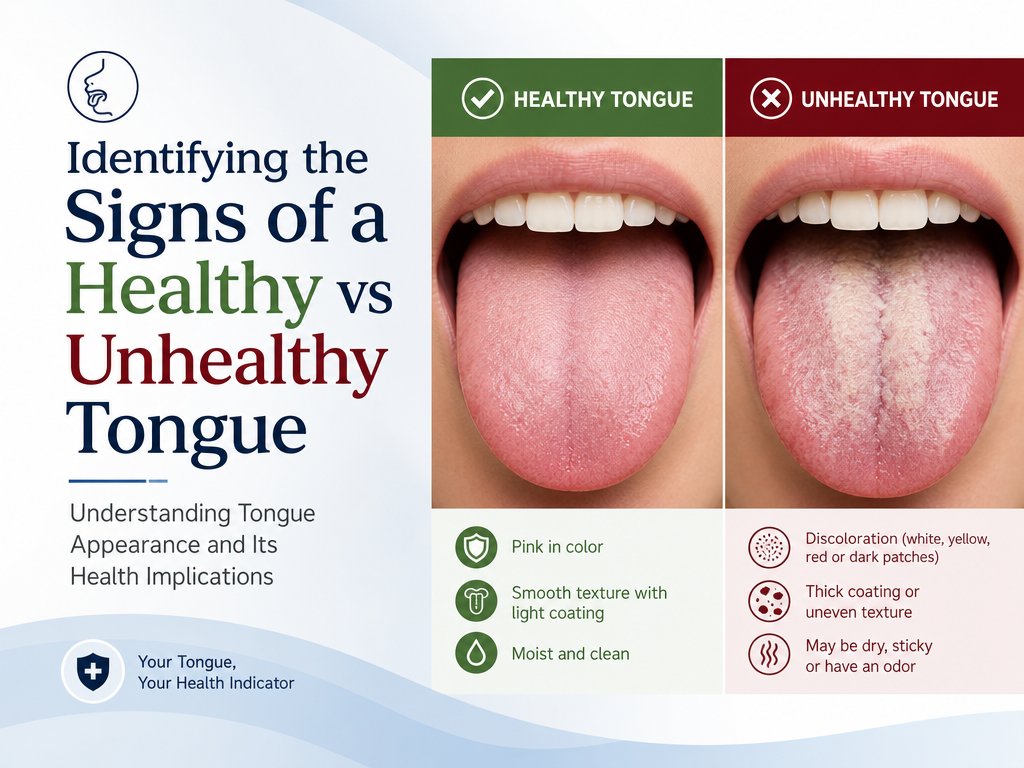
A typically healthy tongue is a pink shade, with small, painless nodules known as papillae. However, significant changes in tongue color can signal potential health issues. Common tongue colors to watch for include white, red, yellow, black, or a swollen appearance. Each color change may indicate a different underlying condition, which may range from simple dietary issues to more serious health concerns.
White Tongue
Causes of a white tongue include oral thrush, which results in thick, white patches caused by the Candida albicans fungus. This condition often occurs when the natural balance of bacteria in the mouth is disrupted. Another cause of a white tongue is leukoplakia, caused by cell overgrowth within the mouth lining, which can sometimes lead to cancer. This condition is more common in individuals who use tobacco products. In some cases, a white tongue might also be indicative of poor oral hygiene or dehydration, both of which can cause the papillae on the tongue to enlarge and bacteria to become trapped, creating a white appearance.
Red and Purple Tongue
A red tongue can be a sign of vitamin deficiencies, particularly with B-9 (folic acid) and B-12, which are essential for healthy blood cells and the overall body functioning. It can also indicate the presence of scarlet fever, an illness that requires immediate medical intervention. Additionally, Kawasaki disease, a condition that primarily affects children, can also cause a red tongue, often referred to as “strawberry tongue.” This condition demands medical attention to avoid further complications. If your tongue appears purple or has a maplike appearance, commonly referred to as a geographic tongue, consult your healthcare provider for proper diagnosis and potential treatment options. Geographic tongue, though harmless, can sometimes cause discomfort and its exact causes remain not well understood, though it may be related to stress or genetic factors.
Yellow Tongue
Yellow tongue is often due to an overgrowth of bacteria on the tongue’s surface. This can be influenced by factors such as tobacco use, poor oral hygiene, or dehydration. Nutritional deficiencies, particularly those involving vitamins or minerals that help maintain a healthy mouth, may exacerbate the yellowing. It might also be associated with conditions such as jaundice, where yellowing occurs due to excess bilirubin in the body. Maintaining good oral hygiene and staying hydrated are practical first steps to addressing a yellow tongue, but further medical evaluation may be necessary if it persists. Overuse of mouthwashes or oxidizing agents, which can alter the natural flora of the mouth, might also contribute to a yellow tongue.
Black Tongue
A less common but notable change in tongue color is a black, hairy tongue. This condition occurs when the papillae on the tongue become elongated and trap bacteria and other substances, giving them a dark appearance. Factors contributing to black hairy tongue include increased tobacco use, excessive alcohol consumption, or certain medications that cause dry mouth, which reduces the tongue’s ability to naturally cleanse itself. Antibiotic use or medications containing bismuth can also contribute to a black tongue. It is typically benign and can be managed with improved oral hygiene and lifestyle changes, including tongue scraping and increasing water intake.
Symptoms to Watch For
Always be vigilant for symptoms such as persistent pain, lumps, or unusual bumps on the tongue, as these can indicate further health problems, including oral cancer. Oral cancer can manifest in various parts of the mouth, but the tongue is one of the common sites. Regular dental check-ups are essential in aiding the early detection of potential issues, thus improving treatment outcomes significantly. If you notice persistent sores, numbness, or unexplained bleeding, these symptoms should not be overlooked, as they can signify underlying issues needing timely intervention.
Tongue Care and Health Practices
Maintaining good oral hygiene, including regular brushing and cleaning of the tongue, can help keep your tongue healthy and free from bacteria that can cause discoloration or infections. If medications or dietary supplements seem to affect your tongue’s appearance, discuss alternatives with your healthcare provider. Limiting the use of tobacco products and excessive alcohol consumption can also contribute significantly to maintaining optimal oral health. Additionally, staying hydrated aids in maintaining a healthy oral environment. Consider incorporating a balanced diet rich in essential nutrients, as this supports not just oral health but also overall physical health.
Getting Professional Help
Amidst various tongue abnormalities, prompt medical assessment is crucial. Contact a healthcare professional if unusual tongue color changes persist for more than two weeks. This is especially important if accompanied by other concerning symptoms such as weight loss, persistent sores, or difficulty swallowing, all of which warrant further investigation. Early diagnosis helps in treating any resultant conditions more effectively. Ensure to bring to attention any accompanying symptoms like changes in taste or sensation, as these can provide valuable insights into the underlying causes of tongue abnormalities. Seeking professional advice not only helps in determining the issues but also offers paths to effective treatments.
Finally, regular dental exams and being aware of your tongue’s health can mitigate risks associated with serious conditions like oral cancer. By being proactive about your oral health and seeking professional guidance when necessary, you can help ensure that any issues are identified and treated early. Being informed about the potential meanings behind changes in tongue color aids in early detection and management of health issues, allowing for a more comprehensive approach to achieving and sustaining health. Awareness and timely action concerning tongue changes can significantly enhance the chances of positive health outcomes.
Conclusion
Monitoring the health of your tongue can reveal important clues about your overall health, underscoring the importance of both medical and dental evaluations. Your tongue’s condition may reflect nutritional deficiencies, infections, or potentially more serious disorders such as systemic conditions that require professional medical attention. Therefore, keeping a close watch on any changes in your tongue not only helps in maintaining oral health but also serves as an invaluable insight into your overall well-being. Regularly assessing your tongue’s appearance helps identify potential health warnings early, allowing you to address them proactively and effectively before they escalate into more serious concerns. This vigilant approach to your health can result in timely interventions that promote long-term wellness and prevent complications. Always prioritize scheduling regular health check-ups to catch issues early and maintain excellent health. By doing so, you optimize your body’s functioning and overall quality of life.