Introduction to Mindfulness for Children
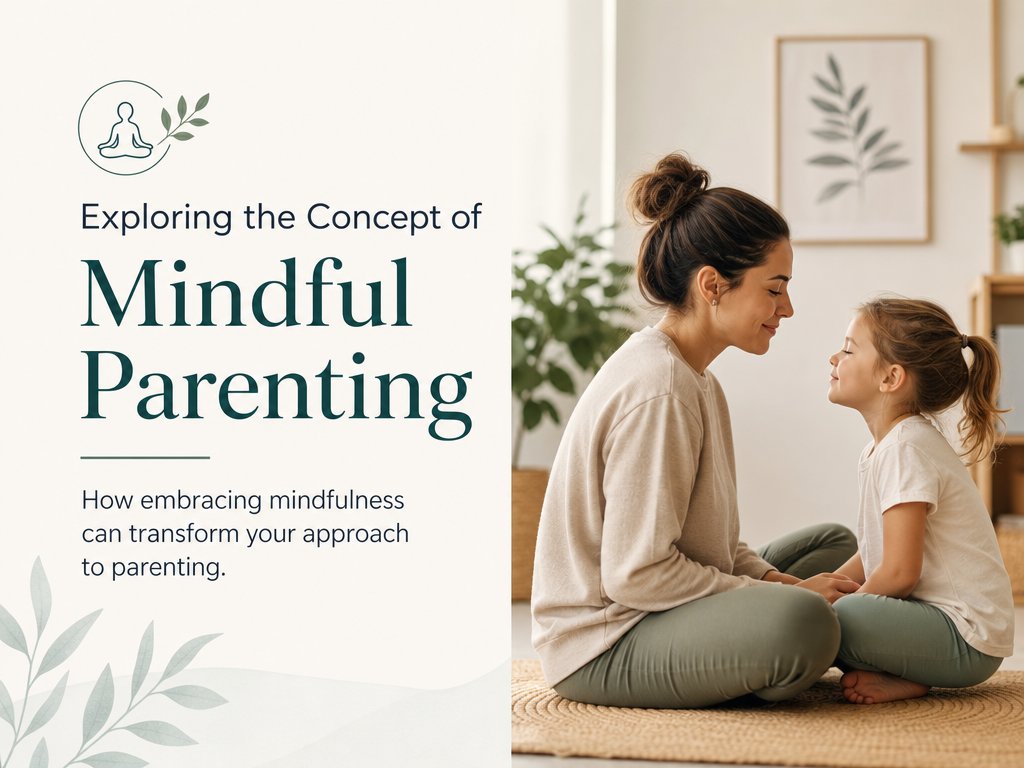
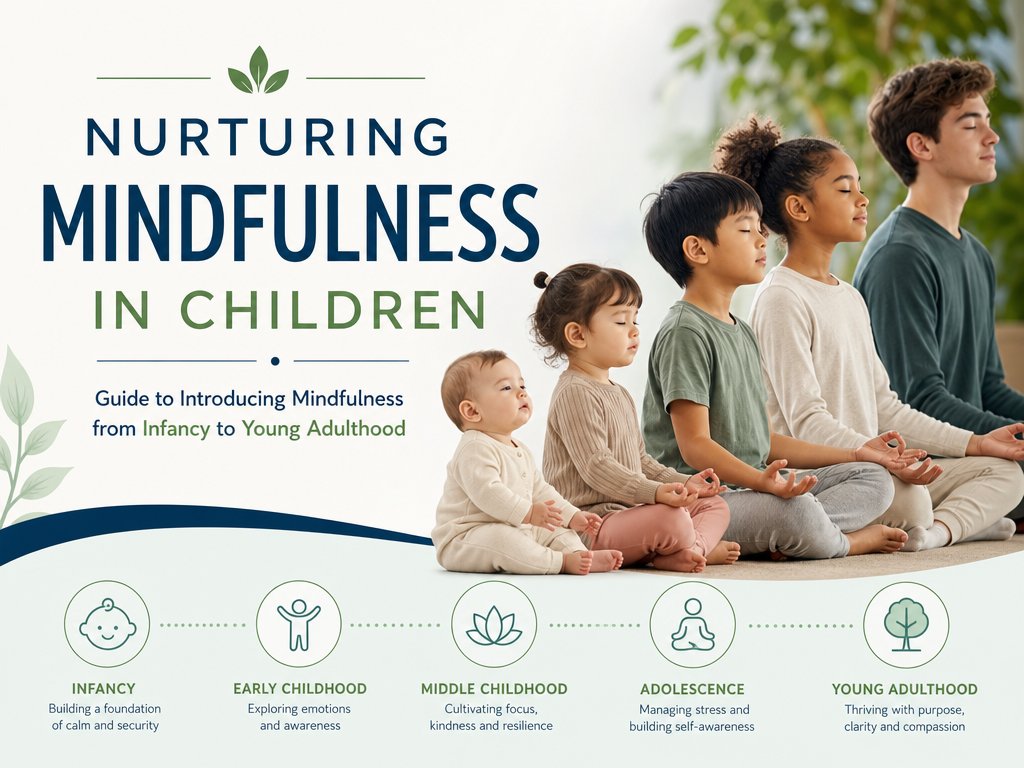
Teaching mindfulness to children, including those who range from being infants to becoming young adults, significantly aids in equipping them with skills to effectively cope with the stresses of life more efficiently. This practice is not just about finding calm in demanding situations; it also cultivates an entire way of life that encourages awareness and presence in each moment, allowing children to develop a healthy emotional balance and an improved sense of well-being. Through mindfulness, they can become more attuned to their emotions and surroundings, which can greatly aid in decision-making and emotional growth.
Why Practice Mindfulness?
Mindfulness focuses on being present and accepting current emotions and thoughts without judgment. In today’s fast-paced world, it helps both parents and children to live in the moment, thereby reducing stress and anxiety significantly. As caregivers develop mindfulness, they can pass these vital skills to their children, enhancing the overall family dynamic by fostering communication, empathy, and understanding among family members. In fostering these connections, mindfulness builds stronger relationships and nurtures a supportive environment where both parents and children feel empowered to express themselves freely.
Mindfulness Techniques for Different Ages
Infants
Even as early as eight weeks, infants begin recognizing familiar voices and scents. It’s beneficial to begin introducing mindfulness by being more attentive and present as a caregiver. Daily infant massage is a wonderful technique to start with, focusing on responding to the baby’s cues and fostering an environment of calmness and security. This practice encourages a deeper connection and trust between the infant and caregiver. Gentle singing or humming during daily activities can also contribute to building a mindful connection with the infant, allowing them to feel grounded and secure. Additionally, establishing routine bedtime rituals such as reading softly to them or using calming nightlights can strengthen the mindful bonds established during the day’s activities.
Toddlers and Young Children
In the so-called “terrible twos” phase, mindful strategies involve helping toddlers recognize their emotions and express them healthily through sensory activities. Caregivers can gently guide children in naming and understanding their feelings, which promotes emotional intelligence. Redirecting actions without labeling them as bad encourages self-regulation and positive behavior patterns over time. Fun activities like blowing bubbles can be used to teach breathing techniques, as toddlers focus on taking deep breaths to make the biggest bubble possible. Furthermore, playing mindful games that involve listening to and mimicking sounds in nature can engage their sense of hearing and encourage an appreciation for their surroundings.
School-age Children
These children face numerous social and emotional challenges as they become more aware of their surroundings. Mindfulness can significantly assist them with developing executive functions and providing stress relief. Techniques such as body scanning, guided imagery, and yoga help them relax, gain focus, and build resilience. These exercises foster not only emotional growth but also improve concentration and academic performance. Incorporating storytelling with mindful themes can engage their imaginations while promoting a calm and focused mindset. Encouraging children to set achievable goals and reflect on their progress can instill a sense of accomplishment and enhance their self-esteem.
Teens and Young Adults
For adolescents, maintaining mindfulness practices as they transition into adulthood is vital. Despite potential initial resistance, it is essential to encourage techniques like breathing exercises and yoga that resonate with their personal interests and growth phases. Finding a mindfulness practice that fits their evolving needs and interests ensures they benefit as they face the complexities of teenage life. Journaling or keeping a gratitude diary can help teens reflect on daily occurrences, allowing them to process emotions and experiences constructively. Encouraging participation in group activities such as mindfulness clubs at school can provide a supportive community that reinforces their commitment to mindfulness.
Creating a Mindful Environment
Establishing a clutter-free, calming space at home is conducive to encouraging mindfulness practice. Creating a space for relaxation reassures children of a safe place to explore their feelings. Involving children in simplified meditation exercises or mindful eating sessions can foster family bonds. Encouraging consistent practice and adaptation of techniques as the child grows contributes to the child’s mental and emotional development. Providing opportunities for children to engage with nature, such as gardening or nature walks, fosters mindfulness by connecting them with the world around them. Furthermore, integrating mindfulness into daily routines, such as during meal preparations or evening wind-downs, can build a consistent practice that feels natural and unobtrusive.
Conclusion
Mindfulness equips children with vital emotional recognition and stress management skills, essential in our hectic world. Each child is unique, so caregivers should explore various methods to discover what resonates best with them. Consistent practice and a positive, open approach will help children deepen their connection to themselves and their environment, leading to a more balanced and fulfilling life. Mindfulness is not a one-size-fits-all solution but rather a versatile tool that can be adapted to suit various needs, creating a foundation for lifelong mental and emotional wellness. By embracing mindfulness, families can foster nurturing environments where each individual feels valued and heard, ultimately reinforcing a peaceful and compassionate way of life.