Understanding Chickenpox and its Symptoms
Chickenpox, a highly contagious disease caused by the varicella-zoster virus, predominantly affects children, although it can occur at any age. The onset is marked by flu-like symptoms such as headaches, fatigue, and fever. The most distinctive symptom is an itchy, red rash that progresses to fluid-filled blisters. These blisters typically begin on the face, chest, and back before spreading across the entire body. The rash and blisters are the hallmark signs of this common childhood illness.
Chickenpox in the Mouth
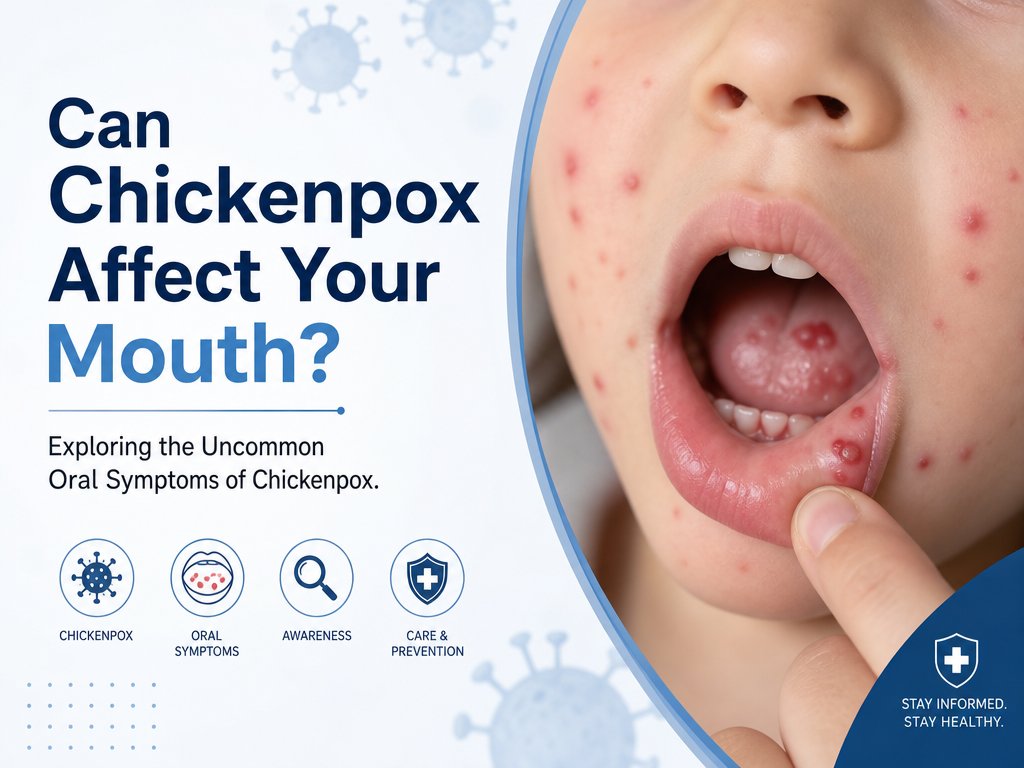
Occasionally, chickenpox affects the mucous membranes of the mouth. Oral lesions start as tiny spots and evolve into shallow, yellow or gray ulcers, often causing discomfort. These sores do not crust over, making eating and drinking a painful experience. Managing mouth sores is essential to ensure that hydration and nutrition remain adequate throughout the illness.
Duration and Immunity
Chickenpox usually lasts under two weeks and provides lifelong immunity for those who recover. A vaccine, available since the 1990s, is about 94% effective in preventing chickenpox and significantly reduces the risk of infection. Vaccination not only protects individuals but also helps reduce the virus’s spread, contributing to herd immunity.
Treatment Options
Although chickenpox generally resolves without severe complications, certain treatments can alleviate symptoms. It is vital to avoid aspirin in children under 18 due to the risk of Reye’s syndrome. Over-the-counter antihistamines and soothing lotions can help with itching and provide relief. Oral blisters, while not severe, can be bothersome and painful. For severe cases, doctors may prescribe antiviral medications like acyclovir or valacyclovir to help manage symptoms more effectively.
Long-term Effects
While chickenpox has no permanent cure, most people remain immune after recovery. The virus stays dormant in nerve tissues and can reactivate as shingles, a painful rash with burning or tingling sensations. Shingles typically resolves within about a month, though postherpetic neuralgia can occur, prolonging discomfort. Vaccines are available to reduce the risk of shingles in older adults, offering protection against the latent virus’s reactivation.
Vaccination Impact
Since the introduction of the chickenpox vaccine in 1995, exposure to the varicella-zoster virus has dramatically decreased. The widespread implementation of vaccination programs has led to a decline in chickenpox cases annually, underscoring the vaccine’s effectiveness. This decline in cases also results in fewer hospitalizations and complications, highlighting the importance of maintaining high vaccination coverage globally to ensure the community’s health and safety.
When to See a Doctor
Should you be exposed to chickenpox, it is advisable to consult a healthcare professional for a prompt diagnosis and appropriate treatment. This action is crucial for pregnant women, those with weakened immune systems, or anyone who has never been infected before. Early intervention aids in managing symptoms effectively and reducing the transmission of the virus, ensuring better health outcomes for those affected and their surrounding community.