Introduction to Skin Tags
Skin tags, scientifically termed acrochordons, are benign growths that commonly occur in body regions where the skin creases and folds naturally, such as the underarms, groin, and neck. Composed primarily of skin cells, collagen fibers, small nerve cells, fat tissue, and blood vessels, these growths are often attached to the surrounding skin by a thin stalk, giving them a hanging appearance. Their coloration typically matches the surrounding skin tone, although they may appear slightly reddened if irritated or inflamed. Skin tags are generally small, but their size can vary somewhat, and they are usually painless and not tender to the touch. Their soft and fleshy texture makes them distinguishable from other types of skin growths like warts or moles.
Prevalence and Causes
Estimates indicate that between 50 to 60 percent of adults will develop skin tags during their lifetime, with a higher incidence reported after the age of 40. Though harmless to one’s health, several risk factors might increase the likelihood of developing skin tags. Genetic predisposition is a significant factor, alongside other conditions such as obesity, insulin resistance, diabetes, and metabolic syndrome. Hormonal changes, especially those occurring during pregnancy, and conditions associated with the human papillomavirus (HPV) may also play a role. Additionally, the friction caused by skin rubbing together or against clothing is also known to contribute to their formation. Consequently, individuals who wear tight-fitting clothing or have numerous skin folds tend to develop more skin tags over time.
Attempts at Home Remedies
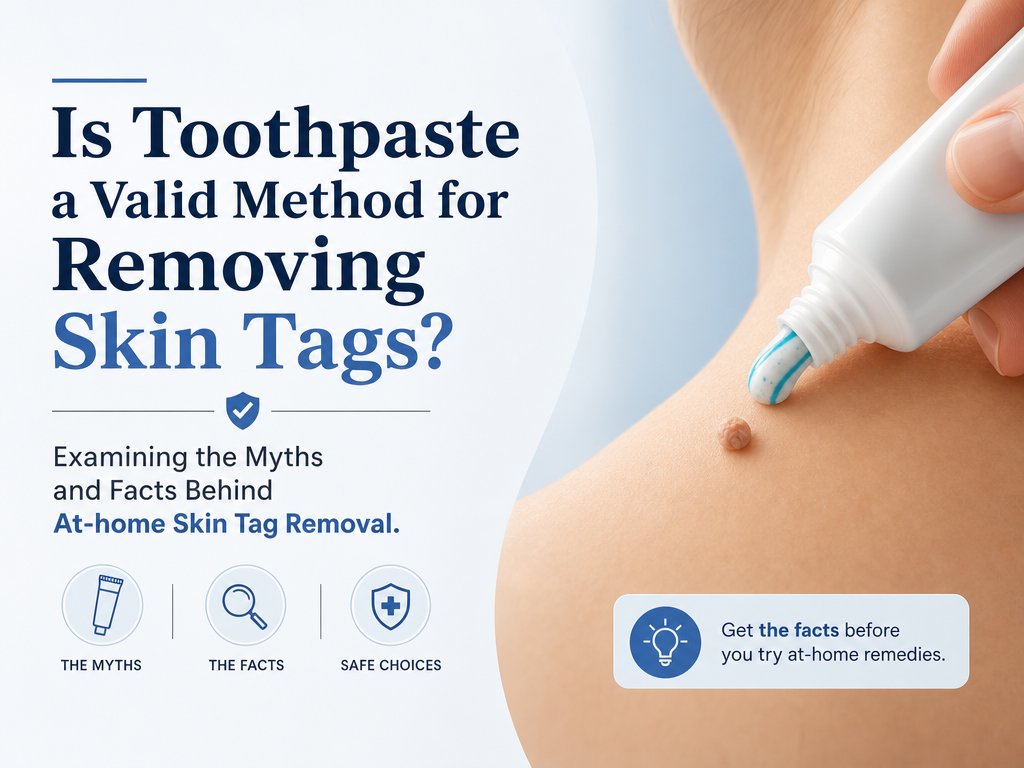
A wide range of home remedies for skin tag removal exist, with some proponents suggesting the use of everyday items, such as toothpaste, for addressing skin imperfections. Toothpaste is often claimed to help shrink or eliminate skin blemishes, though there is no scientific evidence to substantiate these claims. Dermatologists strongly advise against the use of such unconventional treatments for skin tags, as they can lead to negative outcomes. Unverified home remedies and over-the-counter products might result in infections, unintended scarring, or excessive bleeding, posing unnecessary risks to those attempting self-treatment. Instead, professionals caution that improper removal techniques, such as tying off tags with dental floss, not only fail to address the issue effectively but can also lead to significant irritation and incomplete removal of the skin tags.
Professional Treatment Options
The American Academy of Dermatology advocates for individuals seeking professional healthcare guidance for skin tag removal. Medical specialists possess the expertise to determine whether a skin tag or similar growth requires additional investigation to exclude the possibility of malignancy, ensuring proper diagnosis and treatment. This specialized evaluation is crucial because, while rare, skin tags can sometimes be mistaken for other problematic skin conditions.
Medical Procedures
There are several in-office procedures available to safely manage skin tags. Professional options include laser therapy, cryotherapy, or the careful excision of the tag using specialized medical instruments. These procedures are performed by trained healthcare professionals who focus on minimizing the risk of infections or nerve damage during removal. This approach is especially important when addressing skin tags situated in sensitive or hard-to-reach areas, where precision, expertise, and care are paramount for patient safety and satisfactory outcomes. Furthermore, before deciding on a treatment, a dermatologist might conduct a thorough skin examination to rule out other dermatological issues, ensuring that the right approach is chosen for skin tag management.
Conclusion: Why Professional Advice is Crucial
Although skin tags are generally benign and do not necessitate medical intervention, many individuals choose to remove them for cosmetic reasons. By consulting a healthcare professional, individuals can ensure that skin tags are removed safely and effectively, sidestepping the pitfalls associated with home remedies and self-treatment. It is essential to avoid unreliable solutions, such as toothpaste, that might worsen the problem rather than rectify it. Seeking professional evaluation and treatment offers peace of mind and protects against potential unintended consequences, thus ensuring that the removal process is not only safe but also effective and aligned with best medical practices. It is this dedication to safety, precision, and patient satisfaction that underscores the importance of consulting healthcare professionals in managing skin imperfections and maintaining healthy skin overall.