Introduction
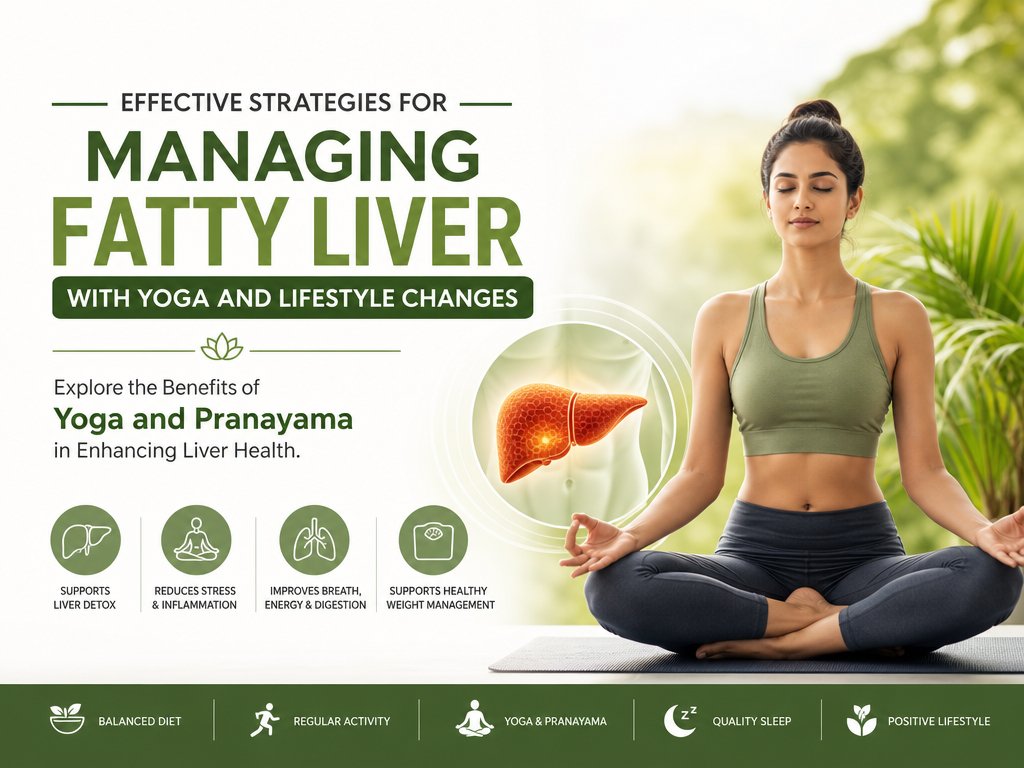
Managing a fatty liver involves embracing a healthy lifestyle that incorporates various holistic approaches aimed at improving overall health. Yoga, pranayama, and other physical activities can play a crucial role in supporting liver health and general well-being. While these practices offer significant benefits, they should be part of a broader, more comprehensive approach to address fatty liver. A key aspect is adopting a balanced approach that harmonizes body and mind, enhancing not just physiological but also psychological wellness.
Yoga and Its Benefits
The Role of Yoga in Supporting Liver Health
Adopting a consistent yoga routine can help rejuvenate your liver by improving your body’s strength, boosting circulation, and enhancing digestion. Yoga is also effective in alleviating stress and in counteracting sedentary habits that can contribute to liver issues. The consistency of practice is essential, even if it starts with just a few minutes each day, as regular practice fosters gradual improvement. This commitment to consistency helps cultivate discipline, mindfulness, and a deepened awareness of one’s bodily needs and responses.
Recommended Yoga Poses
Starting with beginner-friendly postures and using aids like blocks or straps can make yoga more accessible for individuals at different fitness levels. Poses like Sphinx, Cobra, and Bow are beneficial because they stimulate abdominal organs, enhance circulation, and help in promoting relaxation and mindfulness. For a more comprehensive approach, incorporating poses like Cat-Cow and seated twists can further assist in massaging the liver, promoting deeper detoxification, and improving flexibility and strength around the abdominal region.
Community and Support
Joining yoga classes can provide a supportive community environment where one can find motivation and camaraderie, while personalized sessions offer tailored guidance to meet specific health needs. Before beginning any new fitness or wellness routine, consulting a healthcare professional is highly recommended to ensure safety and efficacy. Building such a supportive network encourages a sense of belonging and shared purpose, which can be immensely beneficial in maintaining motivation and keeping up with the regime consistently.
Pranayama and Breathing Techniques
Pranayama involves focused breathing techniques that not only enhance overall well-being but also help manage stress, which is crucial for better liver health. While pranayama alone cannot cure fatty liver, it works well when used in conjunction with a comprehensive management plan that includes proper diet and regular exercise. Techniques such as alternate nostril breathing and diaphragmatic breathing can aid in reducing tension, decreasing anxiety levels, and improving oxygen flow which caters to better metabolic functioning and optimal liver performance.
Incorporating Other Exercises
Alongside yoga, engaging in regular exercise, including strength training and cardiovascular activities, is beneficial. These forms of exercise improve insulin sensitivity, help promote weight loss, and boost overall liver function by increasing metabolism and reducing fat buildup around the liver. Activities such as swimming, cycling, and brisk walking provide enjoyable options that are effective in enhancing cardiovascular health, which in turn supports liver detoxification processes, facilitating a more spirited, energetic lifestyle.
Natural Managing of Fatty Liver
For natural management, committing to a balanced diet rich in nutrients, engaging in regular physical activity, and using stress management techniques like yoga and meditation is crucial. The success and effectiveness of these natural methods largely depend on the individual’s condition severity, with more advanced stages potentially requiring more intensive medical treatment. Emphasizing plant-based diets, maintaining a healthy body mass index (BMI), and avoiding processed foods significantly contribute to minimizing risks and managing existing conditions more effectively, offering sustainable health outcomes.
Lifestyle Changes and Recommendations
To optimize liver health, maintaining proper hydration, limiting alcohol intake, and ensuring quality sleep is important. Tackling the underlying causes of fatty liver through thoughtfully planned lifestyle changes involving fitness and comprehensive weight management is the most effective strategy for long-term health benefits. By incorporating daily routines that prioritize heart health, mental peace, and mindful eating, individuals can create lasting habits that nourish not just the liver, but the whole body, paving the way toward a healthier future.
Conclusion
Yoga, as part of a comprehensive treatment plan, can significantly enhance physical and mental health while supporting liver function. It is vital to always practice mindfulness, listen to your body’s responses, and consult healthcare professionals when needed to ensure a safe and effective path towards improved liver health and overall well-being. Cultivating a mindful awareness of one’s lifestyle choices and their impact not only benefits liver health but also promotes overall vitality and a balanced lived experience. With dedication and persistence, a healthier, more balanced lifestyle can be achieved.