Introduction
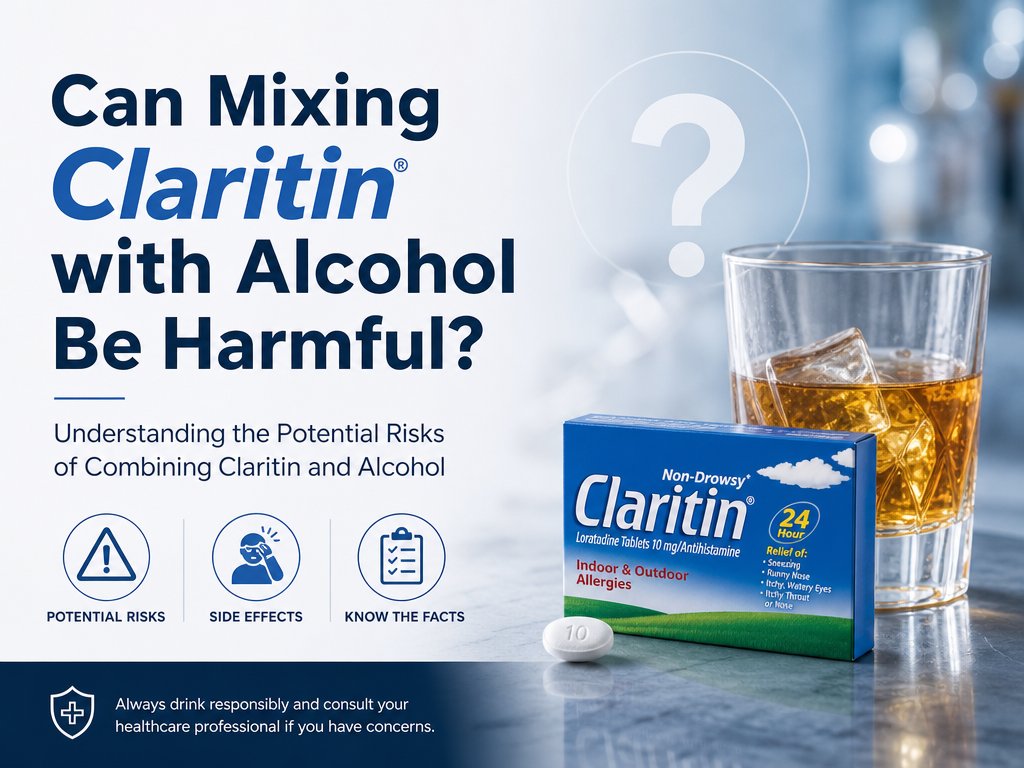
Mixing medications such as Claritin with alcohol can lead to unwanted side effects. While Claritin is primarily used to alleviate allergy symptoms, combining it with alcohol may result in heightened effects on the nervous system. Understanding the interaction between these substances is crucial for avoiding potential adverse outcomes. It is important to be aware of how different substances can interact with medications you are taking to prevent any negative health implications. Awareness and education on this topic can empower individuals to make informed decisions about their medication and alcohol consumption.
What is Claritin?
Claritin, known by its generic name loratadine, is an over-the-counter medication commonly used to treat symptoms like sneezing, runny nose, and itchy eyes due to seasonal allergies or hay fever. It is classified as a second-generation antihistamine, which generally causes fewer drowsiness-related side effects compared to first-generation antihistamines. This makes it a preferred choice for individuals who wish to remain alert and active while managing their allergy symptoms. Understanding the nature of second-generation antihistamines can help ensure that you choose the most appropriate medication for your lifestyle needs, allowing you to manage your allergy symptoms effectively without compromising daily activities.
How Claritin and Alcohol Interact
Both Claritin and alcohol are central nervous system depressants. This means they can slow down brain activity and, when combined, may heighten effects such as dizziness, sleepiness, reduced coordination, and slowed heart rate. These amplified effects can be particularly problematic when performing tasks that require full attention, such as driving or operating heavy machinery. Though second-generation antihistamines like Claritin are less sedative, caution is still advised when combining it with alcohol. Individuals on Claritin should take note of how alcohol affects them to avoid unsafe situations and ensure they do not inadvertently put themselves or others at risk. It is always important to consider personal tolerance levels and the context of the situation when mixing substances.
Risks of Mixed Use
When alcohol is consumed with Claritin, it could affect the body’s ability to effectively utilize the antihistamine. Consequently, this may reduce Claritin’s efficacy in alleviating allergy symptoms. Additionally, the liver’s processing of alcohol and medications can become impaired, increasing the risk of feeling excessively intoxicated or even risking an overdose, especially if excessive alcohol is consumed. This impaired processing can also lead to increased strain on the liver and other organs over time, potentially resulting in long-term health issues. Understanding the vulnerabilities of combining substances with medications can aid in making healthier lifestyle choices and avoiding potential long-term damage to your body. Taking proactive steps to separate alcohol use from medication can contribute to better health outcomes.
Recommendations
To minimize health risks, it is prudent to avoid alcohol while taking Claritin. Before starting Claritin, consult a healthcare professional, especially if you are on other medications or supplements that could interact with it. A healthcare provider can offer personalized advice based on your health history and current medication regimen, ensuring that you manage your allergy symptoms effectively without compromising your overall health. Learning as much as possible about drug interactions can empower you to make informed decisions regarding your health. By seeking medical advice, individuals can better understand their unique health situations and make more tailored choices that uphold their wellbeing.
Conclusion
While Claritin is generally safe for managing allergies, mixing it with alcohol can pose potential health risks, including drowsiness, impaired cognitive function, and, in extreme cases, overdose. Always consider professional medical advice before mixing medications with alcohol to ensure that you are making safe and informed health decisions. Personal vigilance and responsible choices are essential in safeguarding your wellbeing when dealing with medications and substances like alcohol. Being proactive about understanding how medicines and alcohol can interact helps you anticipate and avoid undesirable effects. Emphasizing the importance of awareness and preventative actions contributes significantly to maintaining overall health and safety.