Overview of Ankle Ulcers
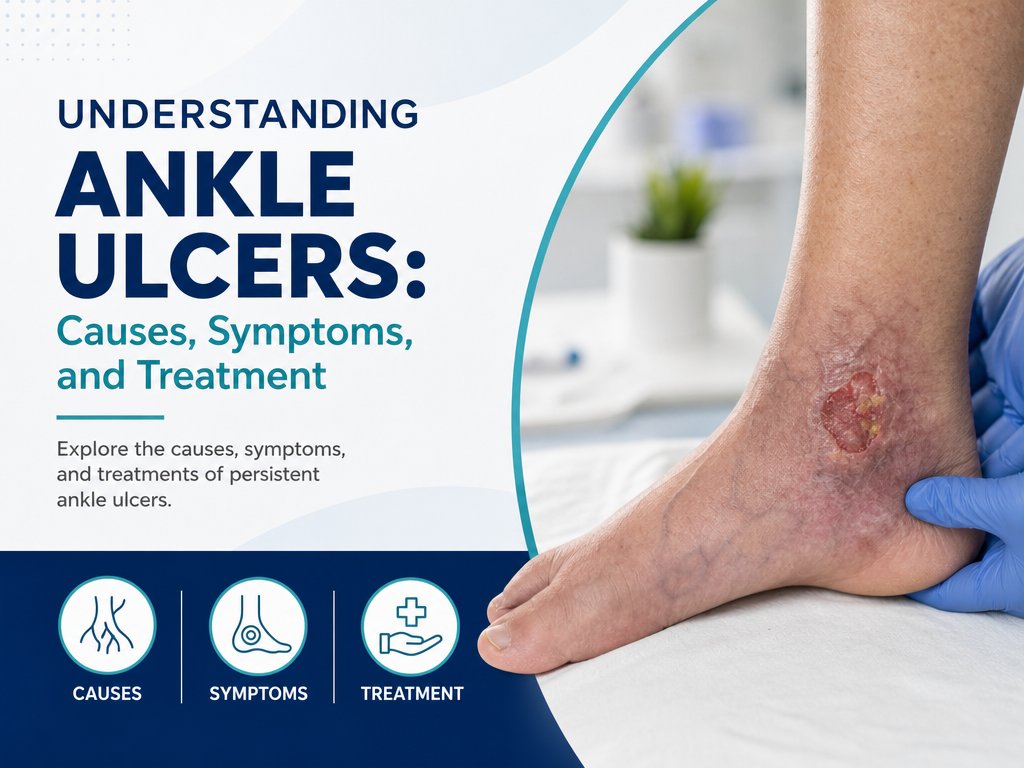
Ankle ulcers are persistent open sores or lesions on the body that tend to heal slowly or tend to recur frequently. These ulcers result from the breakdown of skin tissue and may be associated with pain. There are three primary types of ulcers, with venous stasis ulcers being the most common among them, especially prevalent in individuals suffering from chronic venous insufficiency.
Causes of Venous Stasis Ulcers
Venous stasis ulcers frequently occur in the lower limbs, notably around the ankles. They are primarily caused by a medical condition known as venous hypertension or chronic venous insufficiency. This condition prevents normal blood flow from the lower extremities to the heart, causing increased pressure in the veins, which results in ulcer formation when the pressure on the vessel walls becomes excessive.
The exact mechanism by which this condition leads to ulcers remains unclear. Some medical professionals suggest that it restricts capillary blood flow, resulting in a buildup of white blood cells and reduced oxygen supply to the tissues. This oxygen deficit contributes to tissue damage and, ultimately, ulcer formation. Another hypothesis proposes that venous hypertension allows certain cells to infiltrate the skin, disrupting the natural healing process and compounding existing damage.
Risk Factors
Individuals with a family history of ulcers, smokers, or those with other related health issues are more prone to developing venous stasis ulcers. These ulcers may be painful, causing itching or a burning sensation, and are often red with yellowish skin. If the ulcer is infected, it might secrete yellow or green fluid. Swelling and discoloration around the affected area, along with warm skin to the touch, are also common symptoms. Depending on the severity of the swelling, the skin may appear tight and glossy.
Particular attention must be given to those who have jobs that involve long hours of standing or sitting, as these work conditions can exacerbate the likelihood of developing ulcers due to reduced circulation. Additionally, obesity and sedentary lifestyles further increase the risks, making weight management an integral part of prevention strategies.
Diagnosis and Monitoring
Diagnosing venous stasis ulcers often involves discussing the patient’s complete medical history and symptoms with a doctor. For persistent ulcers, a tissue sample might be taken to rule out cancer and other serious conditions. Medical imaging techniques like MRIs and CT scans may be used to assess the ulcer’s depth and its potential impact on the underlying bone structure. Infection checks are also an integral part of the monitoring procedure to ensure that any complications are addressed promptly and comprehensively.
Treatment Options
The primary aim of treatment is to heal the wound, address any infection, and manage pain effectively. Compression therapy is commonly used for treating venous stasis ankle ulcers, as it helps with swelling and speeds up recovery by improving blood flow. Compression can also aid in preventing ulcer recurrence. Patients may use compression stockings, wraps, or elastic bandages, each serving a unique purpose with different levels of pressure. A doctor can recommend the most suitable compression method based on the patient’s particular needs and medical history.
If compression therapy proves ineffective, medications like pentoxifylline and aspirin may be prescribed to assist in healing by improving blood properties. For severe swelling, diuretics might also be used temporarily. It’s essential to follow the prescribed medication regimen consistently to ensure the best possible recovery outcome and prevent further complications.
Various dressings, such as antimicrobial, collagen, composite, and skin substitute dressings, can be used. Each dressing type has its own benefits and uses specific to different ulcer types or stages. A healthcare provider will determine the most appropriate dressing type based on the specifics of the ulcer and the patient’s overall health condition. Additionally, specialized wound care clinics may provide additional support, resources, and knowledge necessary for managing the condition effectively.
Prevention and Lifestyle Adjustments
Preventing venous stasis ulcers involves elevating the legs above the heart for at least 30 minutes multiple times a day to reduce pressure and enhance circulation. Avoiding prolonged standing or sitting can also be beneficial for overall leg health. Maintaining overall health through proper hydration, balanced nutrition, adequate rest, and regular exercise can accelerate the healing process and prevent future occurrences.
At night, elevating the legs while in bed can help, along with keeping a check on dietary salt intake to reduce swelling and enhance circulation. Monitoring blood pressure regularly is advisable, and if necessary, weight loss can help alleviate some pressure on the legs, as recommended by a healthcare provider. These lifestyle adjustments, albeit simple, can contribute significantly to preventing and managing venous stasis ulcers, enhancing quality of life. Making informed choices in daily routines and understanding personal health risks can make a critical difference in health outcomes.