An Overview of PTSD and Dissociative Symptoms
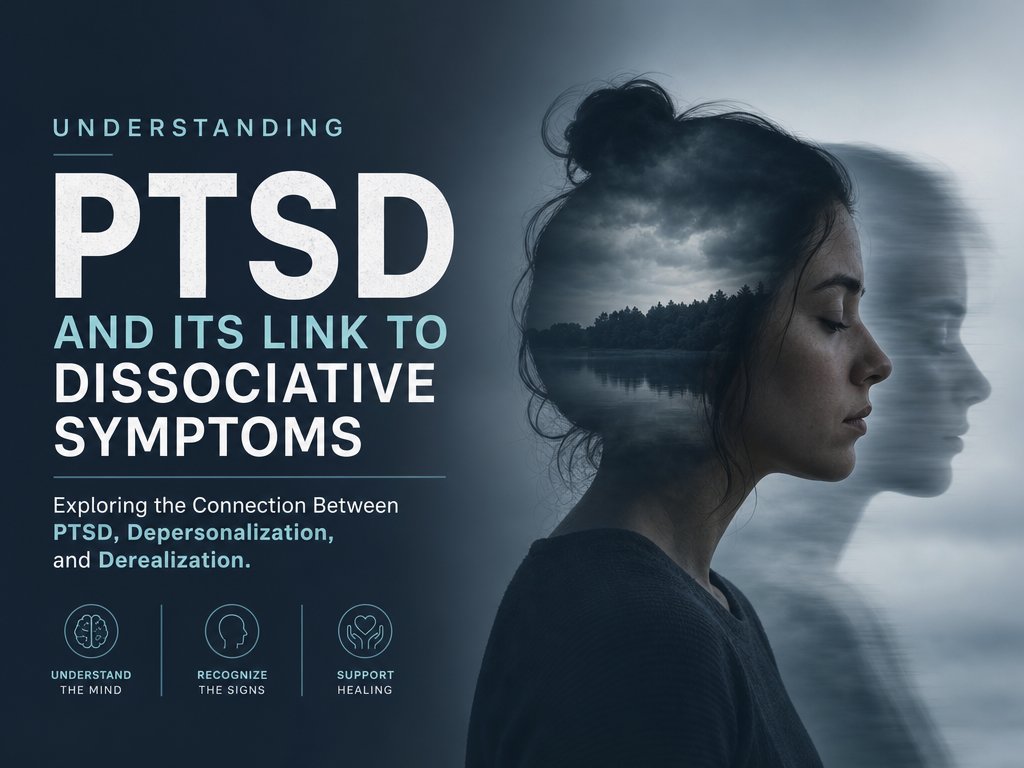
Individuals dealing with post-traumatic stress disorder (PTSD) may often experience dissociative symptoms, such as depersonalization and derealization. These manifestations indicate a disruption in self-perception, emotional experiences, and environmental interaction, posing substantial challenges in everyday life. Such symptoms complicate the conventional diagnostic and therapeutic approaches to PTSD, necessitating an in-depth understanding of their nuanced impact on mental health. The multifaceted nature of dissociative symptoms calls for a flexible approach in addressing the needs of individuals experiencing them.
Understanding Dissociation
Dissociation encompasses a broad spectrum of experiences leading to a sense of estrangement from one’s own body or surroundings. These feelings of detachment may involve either a disconnection from physical sensations or emotional responses. While dissociation does not inherently signify a mental health disorder, its presence is notably significant for many suffering from PTSD. When dissociative symptoms are significant and persistent, they characterize a specific subtype of PTSD, identified as “PTSD with dissociative symptoms.” This subtype acknowledges the intricate relationship between traumatic stress and the psychological mechanisms that generate a sense of detachment from reality.
Diagnostic Criteria for PTSD and Dissociative Symptoms
The DSM-5-TR specifies that a diagnosis of PTSD with dissociative symptoms requires the standard benchmark for PTSD, alongside recurring experiences of either depersonalization or derealization. For a formal diagnosis, these symptoms must be both frequent and intense enough to disrupt significant aspects of everyday functioning. This diagnostic framework ensures a comprehensive assessment of the severity and impact of dissociative symptoms, highlighting their significance in personal, social, and occupational arenas. The evaluation of these experiences is crucial to forming an effective treatment plan that addresses all symptomatic dimensions effectively.
Treatment Approaches
The management of PTSD with dissociative symptoms often involves an integrated treatment plan, combining both psychotherapy and medication. Trauma-focused cognitive behavioral therapy aims to process traumatic experiences and address maladaptive thought patterns, forming a cornerstone of treatment for these symptoms. Additionally, mindfulness practices can be incorporated to ground individuals in their current activities, helping to alleviate the frequency and intensity of dissociative episodes. This therapeutic integration emphasizes balancing various treatment strategies to address the diverse aspects of the disorder.
Initially, treatment concentrates on developing coping mechanisms to handle dissociative symptoms effectively, establishing a foundation of safety and stability. Before addressing traumatic memories directly within therapy, techniques such as grounding exercises and mindfulness meditation are often introduced. It is well-documented that dissociative symptoms do not inhibit the efficacy of PTSD treatment interventions, with many patients exhibiting significant symptom improvement and regaining control over their mental health challenges through consistent engagement in therapeutic practices.
Prognosis and Support
According to the World Health Organization, approximately 40% of individuals diagnosed with PTSD experience significant progress within the first year of appropriate treatment. However, many others encounter prolonged symptoms over a more extended period. Support mechanisms, including community networks and support groups, play an essential role in recovery by offering continuous encouragement and assistance. Connecting with these support systems can enhance treatment outcomes by fostering an environment filled with empathy and understanding. Participation in peer-supported environments can facilitate feelings of validation and connection, diminishing the sense of isolation often encountered in the journey towards recovery. Engaging with these networks provides individuals with a shared sense of experience that promotes collective healing, enhancing the overall effectiveness of the recovery process.