Introduction
Nipples are susceptible to injury, especially during activities such as breastfeeding, exercise, or accidents involving nipple rings. While minor injuries can heal on their own, the complete loss of a nipple is more complex and requires medical intervention. It becomes crucial to understand the different causes of nipple injuries to manage and prevent it effectively.
Common Causes of Nipple Injuries
Breastfeeding is one of the most common causes of nipple damage, with injuries ranging from mild to severe. For many new mothers, this process can lead to cracked or sore nipples due to improper latching by the infant. Accidents, such as snagging a nipple ring or trauma from exercise, can also result in injuries. Using the correct protective gear during sports and handling nipple piercings carefully may reduce the risk.
Nipple Loss and Medical Implications
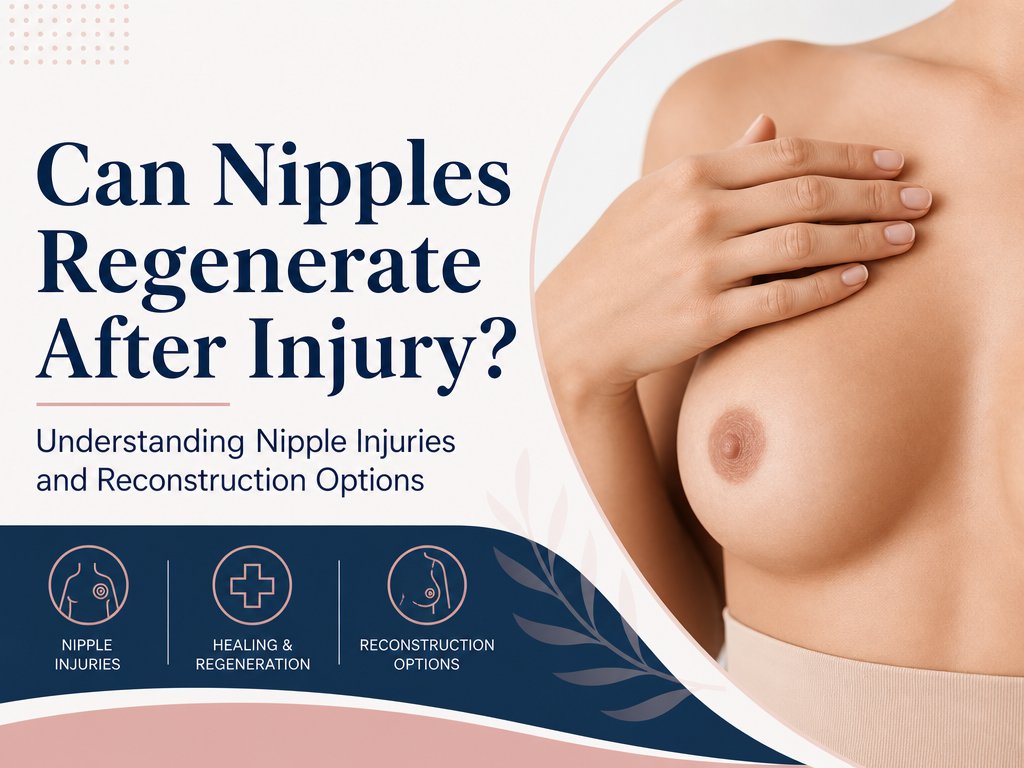
In some traumatic events or due to illnesses like breast cancer, one or both nipples may be entirely lost. Unlike superficial skin injuries, nipples don’t naturally regenerate once removed. This loss can also occur due to severe burns or infections, where reconstructive options need to be considered as an integral part of recovery and regaining aesthetic and psychological well-being. The disconnect between physical appearance and mental health in these instances is significant.
The Complexity of Nipple Anatomy
Nipples are intricate structures essential for functions like breastfeeding. They are centrally located on darker pigmented areas called areolas, which contain glands that aid in lubrication during breastfeeding. These glands play a critical role in preventing the area from drying and cracking, and the overall anatomy supports the process of nursing in profound ways. Understanding this complexity helps underline the importance of seeking professional assistance in case of any disruption.
Reconstructive Surgery: Options and Outcomes
For those who have lost one or both nipples, reconstructive surgery offers a viable solution. Surgeons craft a new nipple by manipulating skin tissue and employ tattooing to recreate the areola, assisting in restoring both physical appearance and personal confidence. This surgical process can significantly impact a person’s self-esteem and body image, making it a meaningful option for many affected individuals. The success of such procedures is often attributed to advances in surgical techniques and artistry.
Emotional Considerations and Medical Advice
Losing a nipple can be emotionally challenging, but modern surgical techniques provide realistic reconstruction options. Consulting with a healthcare provider and considering plastic surgery may help those affected regain their sense of normalcy. Emotional support from family and mental health professionals can also play a crucial role in the recovery process, enabling a multidimensional approach to healing.
If you have experienced an injury leading to nipple loss, professional medical advice ensures the appropriate care and exploration of reconstructive options. Having a knowledgeable medical team by your side can facilitate informed decision-making, ensuring that the pathway to recovery is tailored to individual needs and expectations.