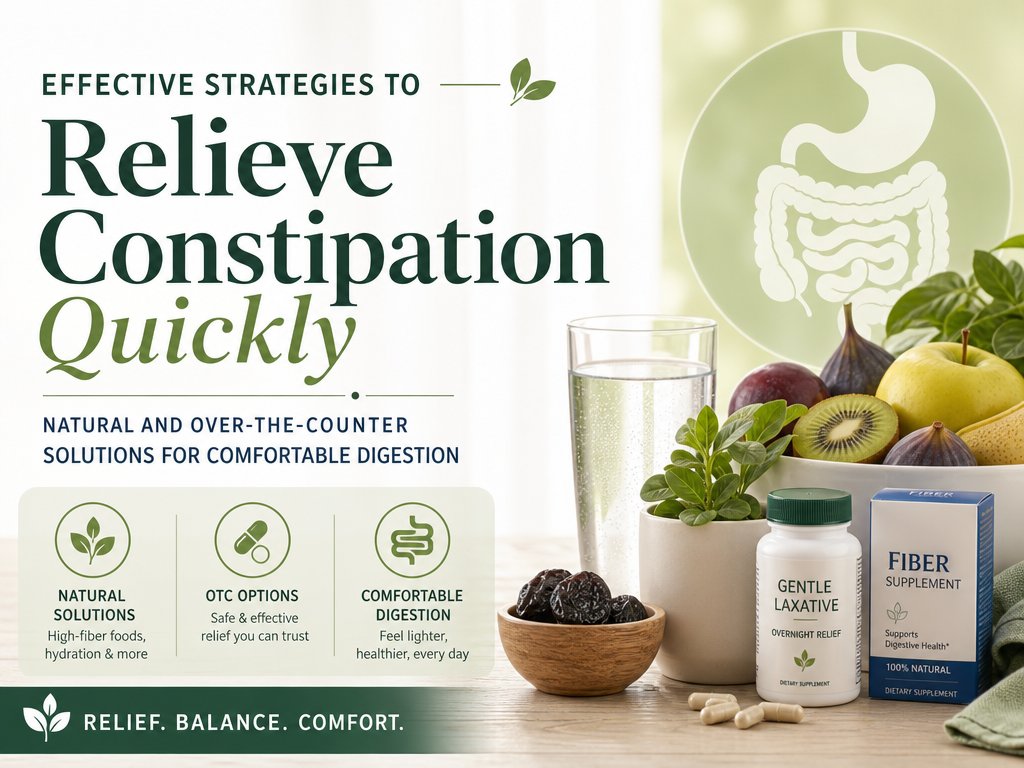
Understanding Constipation
Constipation is a prevalent digestive issue that affects numerous individuals at various stages in their lives. It typically occurs when an individual has fewer than three bowel movements in a week or experiences stools that are hard to pass. This situation can lead to straining and prolonged periods on the toilet, often resulting in significant discomfort and frustration.
Common Causes
The causes of constipation can vary considerably from person to person and may often suggest an underlying condition rather than being a condition itself. Factors such as diet, hydration, lifestyle, and overall health status significantly influence bowel regularity. A diet lacking in fiber, insufficient water intake, a sedentary lifestyle, and certain medications can all contribute to the development of constipation. Moreover, stress and anxiety can play a crucial role in negatively impacting bowel habits.
Immediate Relief Methods
If you’re seeking quick solutions to constipation, several immediate treatments can facilitate bowel movements within hours. These methods can offer temporary relief and help reset your digestive system to function more effectively.
Dietary Adjustments
- Fiber-rich Foods: Introduce a variety of fruits like apples and pears, vegetables such as leafy greens, and whole grains including oats and bran into your diet. These foods are integral to promoting digestive health and maintaining regular bowel movements. Fiber helps add bulk to the stool, facilitating its passage through the intestines more smoothly.
- Hydration: Maintain sufficient fluid intake by consuming at least 1.8 liters of water daily. This helps to soften the stool, making it easier to pass. Additional fluids such as herbal teas and clear broths can also contribute effectively to reaching hydration goals.
Physical Activity
Engage in light exercises such as walking or yoga to stimulate bowel movements by enhancing blood flow in the abdominal area. Regular physical activity promotes peristalsis, the natural movement of the intestines, which can help facilitate more frequent bowel movements and reduce tension in the digestive tract.
Available Over-the-Counter Options
Various over-the-counter remedies can assist in relieving constipation by either softening the stool or adding bulk. These remedies, readily available in pharmacies, can provide relief for occasional or acute bouts of constipation.
Types of Laxatives
- Fiber Supplements: Products like psyllium husk or methylcellulose add volume to stools, making it easier for them to pass through the intestines. These supplements can be taken daily to maintain bowel regularity.
- Laxative Stimulants: These products induce bowel movements by stimulating the intestines. However, they may take several hours to work and should be used only occasionally to avoid dependency.
- Osmotic Laxatives: These facilitate the movement of fluids in the colon, which might take a few days to show results. They can be effective for more stubborn constipation issues.
- Lubricant Laxatives: Utilize substances like mineral oil to coat the intestines, aiding the stool in moving through smoothly. This type of laxative allows for easier passage by reducing friction and adding moisture.
Natural Remedies and Lifestyle Changes
In addition to medication, various natural and lifestyle approaches can efficiently manage or prevent constipation. These approaches can lead to long-term digestive health and minimize the recurrence of constipation episodes.
Natural Treatments
Probiotics are known for increasing stool frequency and should be taken following consultation with a healthcare provider, especially if immunocompromised. They contribute to a balanced gut flora, which is essential for healthy digestion and regular bowel movements.
Lifestyle Adjustments
- Massage: Gently massage the abdomen to stimulate bowel movements. Techniques involving circular motions over the abdominal area can promote peristalsis and relieve discomfort.
- Toilet Habits: Assume a squatting position while using the toilet to facilitate smoother bowel movements. Utilize a footstool to elevate your feet, mimicking the natural squat position, which can align the body more effectively for bowel evacuation.
Special Considerations
During pregnancy or with chronic conditions like IBS, consulting a healthcare professional is crucial when constipation persists despite lifestyle amendments. It’s essential to rule out serious underlying conditions and determine appropriate treatment strategies to ensure both safety and comfort. Certain conditions may require specific interventions and medical guidance to manage constipation effectively and safely. It’s equally important to remain vigilant regarding the onset of any concerning symptoms such as unexplained weight loss or blood in stools, as these require immediate medical attention.
For children experiencing constipation, ensure adequate fluid intake and routine physical activity, as these are critical to promoting healthy bowel habits. Regular, timed toilet sessions post-meal can also be beneficial for children, encouraging their natural digestive reflexes to take effect and instill healthy bathroom routines. Setting a positive example and educating children about the importance of a balanced diet and exercise can foster lifelong healthy habits that effectively prevent constipation. It’s also useful to consider dietary modifications based on individual tolerances and depending on the child’s age, as growing bodies might have diverse nutritional needs. Careful attention to each child’s response to various foods and activities can help tailor approaches that support their specific digestive health requirements.