Understanding Tattoo Infections
Tattoos are not only a form of personal expression but also a cultural phenomenon, with approximately 30% of American adults owning one or more tattoos. Despite their widespread popularity and acceptance, it’s vital to remember that the process of getting a tattoo carries certain inherent health risks. If the tattooing process involves the use of unclean tools or if there is negligence shown in aftercare, it can lead to skin infections or potentially more severe complications. Therefore, understanding these risks and being informed about how to effectively prevent them is of utmost importance for anyone considering getting inked. With the right knowledge, individuals can fully enjoy their tattoos without experiencing unnecessary health issues.
Symptoms of Tattoo Infections
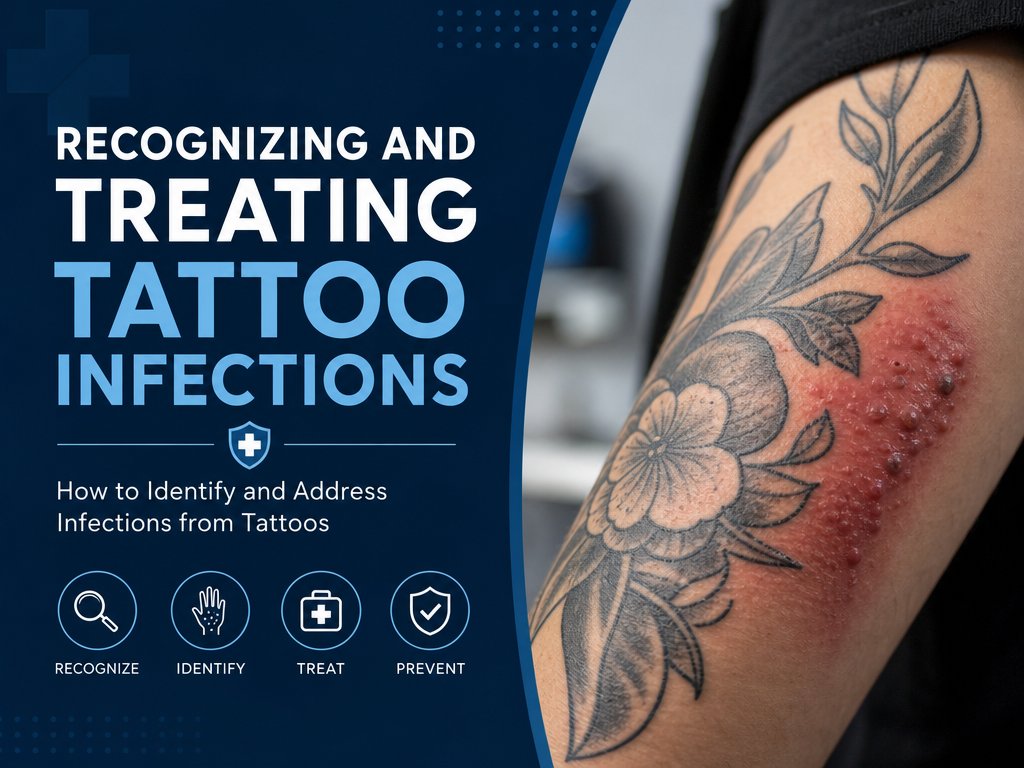
A primary concern with new tattoos is the chance of an infection setting in. If you notice a rash, intense redness with bumpy skin, or any unusual texture around your tattoo, this could be an indicator of an infection. While it is common to experience some minor irritation or redness initially, these symptoms typically should diminish within a few days. Nevertheless, if symptoms like a rash persist beyond a week, or if you begin to experience fever, discharge of pus, or other unusual occurrences, you should seek medical advice promptly. Early recognition of these symptoms can help in preventing more serious health issues from developing into potentially dangerous conditions. Being vigilant and proactive is essential to managing your health.
Understanding Staph Infections
Among the various risks associated with tattoos, staph infections stand out as one of the most common and concerning. Although these infections can often be treated effectively, certain strains like methicillin-resistant Staphylococcus aureus (MRSA) can pose significant challenges. MRSA is known for its resistance to common antibiotics, which makes it harder to treat effectively. In severe cases, MRSA can enter the bloodstream, leading to serious conditions such as sepsis or toxic shock syndrome. Having awareness of the symptoms and seeking timely and appropriate medical intervention is essential for resolving these infections. Staying informed and promptly addressing any health concerns are crucial steps in maintaining wellbeing.
Treatment Options
For minor skin irritations related to tattoos, treatment solutions are typically straightforward: keep the area clean, dry, and apply antibacterial ointments as necessary. Should a more serious infection develop, a doctor may find it necessary to prescribe antibiotics or, in certain scenarios, drain any abscesses that may form. It is crucial to ensure you complete the full course of any prescribed medication to effectively treat the infection and prevent any return of symptoms. Commitment to following medical advice is crucial to recovery.
Infections caused by atypical mycobacteria, which are often identified by persistent itching and painful bumps on the tattooed area, might require long-term antibiotic treatments. An essential part of treatment involves consulting with healthcare providers who can tailor the most effective treatment plan based on specific symptoms and medical history. Regular follow-ups with healthcare professionals ensure the best course of action and ongoing health.
Preventing Tattoo Infections
Taking preventive measures is absolutely vital and goes a long way to ensure safe and enjoyable tattooing experiences. One important step before tattooing is ensuring that tattoo inks do not cause allergic reactions; this can be achieved by verifying their ingredients beforehand and discussing any concerns with your tattoo artist. Insisting that your tattoo artist uses sterile and clean tools is equally important, as is following all provided aftercare instructions precisely and without deviation.
Maintaining good hygiene, consistent aftercare, and a careful approach for your new tattoo is crucial. Regularly use moisturizers to keep the skin from drying out as scabs form, and abstain from picking at or scratching the healing skin, as doing so can increase the likelihood of getting an infection. Commitment to aftercare and hygiene ensures the tattoo heals properly.
Choosing a Responsible Tattoo Artist
The choice of a tattoo artist significantly influences the likelihood of experiencing an infection. Therefore, it is advisable to select a reputable artist who strictly adheres to rigorous sterilization and cleanliness procedures, as this can greatly reduce the risk of infection. Additionally, a professional artist should provide transparent, clear, and comprehensive aftercare instructions to assist in proper healing and ensure clients are confident and knowledgeable about maintaining their new tattoos safely. Prioritizing quality and cleanliness in selecting an artist is a preventative measure.
Conclusion
While tattoo infections are generally manageable and preventable, taking the right precautions and being informed about best practices is key. By selecting a responsible tattoo artist and diligently following suggested care routines, including those adhered to during the aftercare phase, you can help ensure that your tattoo heals beautifully and safely, allowing you to enjoy your artwork without concerns. The combination of meticulous artist selection and vigilant personal care will protect your health and tattoo for the long term.