Introduction to Palmoplantar Pustular Psoriasis
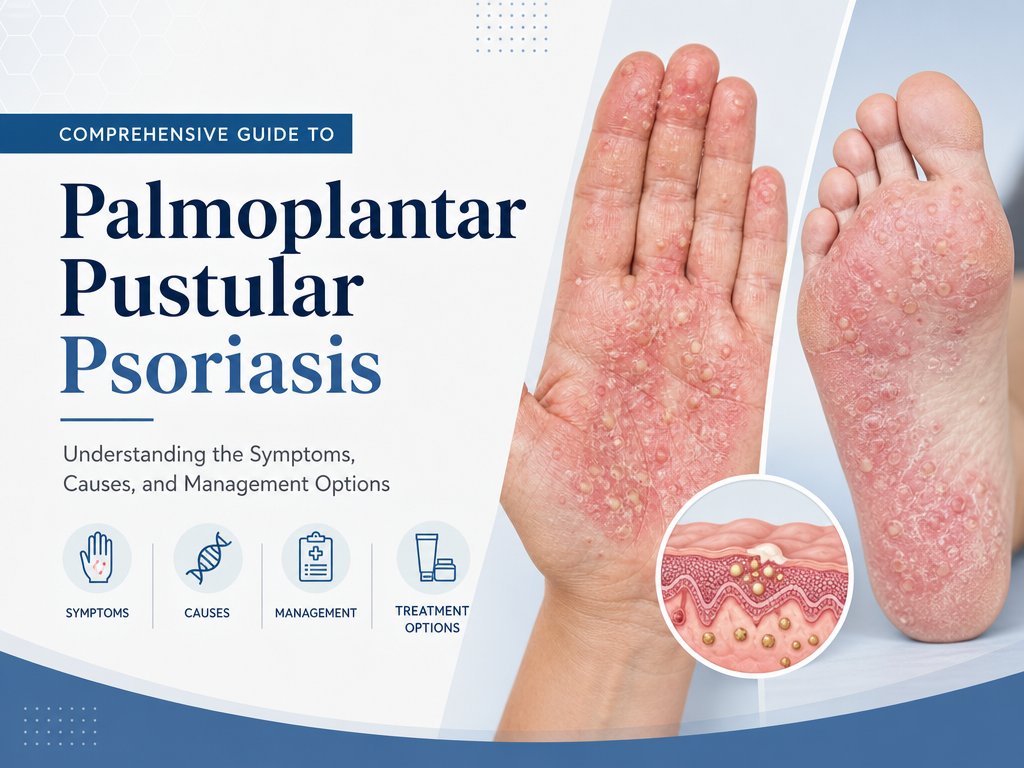
Palmoplantar pustular psoriasis, sometimes referred to as palmoplantar pustulosis, is a distinct form of psoriasis characterized by fluid-filled blisters appearing primarily on the palms of the hands and the soles of the feet. This form of psoriasis affects a minority of individuals, particularly in Western Europe and North America. However, for those who have this condition, it can cause significant discomfort and challenges in performing daily activities, given the primary areas of the body it affects. Individuals with the condition might struggle with basic tasks and even experience alterations in their quality of life due to the painful nature and visual impact of the symptoms. It is paramount for those affected to find strategies to manage the difficulties they face with both mobility and self-esteem.
Symptoms and Characteristics
This condition presents with recurring outbreaks of pus-filled spots, usually appearing as yellow or white blisters that may darken once they dry. These blisters can vary considerably in size, ranging from 1 to 10 millimeters, and often lead to crusting over the affected areas. Notable symptoms include severe pain that can significantly impede mobility and affect routine daily tasks such as walking or performing manual labor. In some cases, thickened skin and patches similar to those observed in plaque psoriasis can develop and exacerbate the condition further. The presence of these skin changes, along with the characteristic blisters, makes palmoplantar pustular psoriasis distinct from other forms of psoriasis, necessitating specific management techniques.
Underlying Causes
The precise causes of palmoplantar pustular psoriasis remain elusive, although genetic factors such as mutations in the HLA, CARD14, and IL-19 genes are believed to increase susceptibility. This is especially true when these genetic predispositions combine with environmental triggers. It’s thought that the condition arises when the body’s immune cells, which are designed to fight infections, mistakenly attack normal skin cells, leading to persistent inflammation and triggering the characteristic symptoms. Ongoing research aims to identify more detailed mechanisms behind this immune misfire to better target treatments. Understanding these underlying causes is essential for developing new therapeutic strategies that offer more effective control of the condition.
Potential Triggers
Several environmental and lifestyle factors are known to potentially activate the immune response, causing flare-ups of palmar or plantar pustulation. Though the condition is not contagious, certain demographics, including women who smoke, particularly those between the ages of 40 to 58, are more prone to this form of psoriasis. Smoking specifically may act as a trigger by affecting nicotine receptors present in sweat glands, further complicating treatment and management efforts for those attempting to control their symptoms. Other potential triggers might include stress and hormonal changes, thus warranting individual assessments to identify and mitigate these factors effectively. Regular monitoring and assessment of possible triggers can be invaluable for effective management strategies tailored to each individual’s needs.
Diagnosing Palmoplantar Pustular Psoriasis
Diagnosing palmoplantar pustular psoriasis typically involves a thorough skin examination, symptom evaluation, and a detailed review of family medical history to identify similar conditions. In some challenging diagnostic cases, a skin biopsy might be necessary to differentiate this condition from other conditions, such as dyshidrotic eczema, which can present with similar symptoms. Given the complexities involved in diagnosis, doctors often recommend regular consultations with a dermatologist to ensure symptoms are managed effectively and new treatment options are considered. Prompt and accurate diagnosis is crucial for the effective management of the condition, allowing for individualized treatment plans that can lead to improved control of symptoms.
Treatment and Management
There is no universal standard treatment regimen established for palmoplantar pustular psoriasis, yet several strategies are available to mitigate symptoms and enhance the quality of life. Topical corticosteroids are often the first step in treatment to reduce inflammation and control the itchiness associated with flare-ups. For more severe cases, doctors may prescribe oral medications, light therapy, or biologic treatments that specifically target immune responses. Spesolimab, despite its primary use for generalized pustular psoriasis, is under ongoing investigation as a potential targeted treatment for more localized forms, offering hope for future treatment innovations. The potential effectiveness of these treatments can vary among individuals, necessitating careful evaluation and monitoring by healthcare professionals.
Additionally, lifestyle modifications, such as avoiding smoking and identifying individual flare-up triggers, can significantly reduce symptom severity and frequency. Keeping a detailed diary of flare-ups in combination with lifestyle habits may assist in uncovering and modifying triggers over time. A proper and up-to-date diagnosis, paired with an understanding of these triggers, remains crucial. Treatment should be tailored specifically to the individual’s circumstances, highlighting the importance of maintaining ongoing and open communication with a dermatologist to ensure effective symptom relief and adherence to treatment plans. Seeking advice from healthcare professionals can provide guidance and support in assessing and adopting suitable lifestyle adjustments that contribute to better management of the condition.
Conclusion
Palmoplantar pustular psoriasis remains a challenging chronic condition with complex underlying causes and potential triggers. With ongoing research into new therapies, individuals affected by this skin condition should work closely with healthcare providers to tailor management strategies, accommodate lifestyle modifications, and explore all treatment avenues available. Proactive and collaborative management can lead to significant improvements in symptom control, overall well-being, and the quality of life for those navigating the challenges of this condition. Regular consultations with healthcare professionals can ensure a comprehensive approach to managing symptoms effectively, helping sufferers manage their condition with greater confidence and success.