Introduction
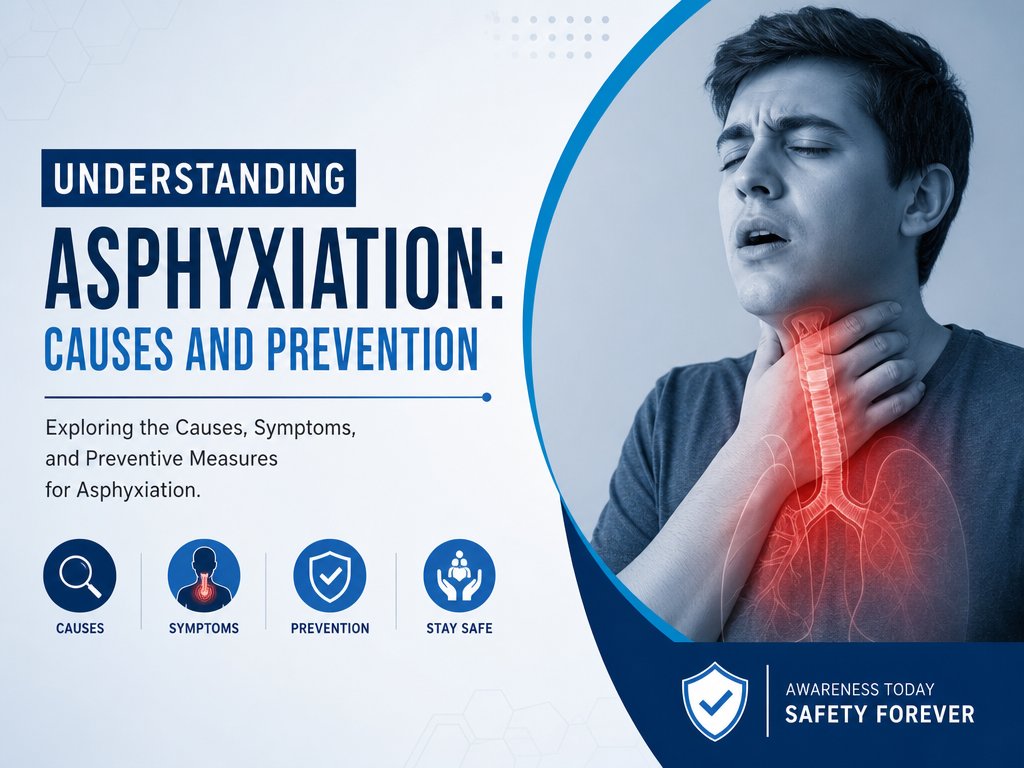
Asphyxiation is a severe and life-threatening condition caused by a significant lack of oxygen reaching the body’s vital organs and tissues. Understanding its implications is crucial as it can quickly result in unconsciousness, brain damage, or even death. Recognizing both the causes and symptoms is essential for timely intervention and prevention, paving the way for life-saving actions.
Causes of Asphyxiation
Drowning
Drowning happens when water is inhaled, obstructing the body’s capability to transport oxygen to essential organs. This scenario is most perilous near large bodies of water, such as pools, lakes, or oceans. It’s imperative to implement preventative measures like learning water safety skills, wearing flotation devices, and vigilant supervision of young children near water to decrease the risk of drowning significantly.
Chemical Asphyxia
Chemical asphyxia occurs due to inhalation of certain substances that halt the oxygen supply to the body. A common example is carbon monoxide, an odorless and colorless gas prevalent in smoke, which serves as a hazardous asphyxiant. Similarly, inhalants found in household products, such as paints and solvents, pose significant risks, especially in areas with inadequate ventilation. A heightened awareness of these dangers, coupled with the installation of carbon monoxide detectors and ensuring proper ventilation, can substantially mitigate these risks.
Anaphylaxis
Anaphylaxis is a serious allergic reaction triggered by factors like specific foods, medications, or insect bites, leading to severe symptoms such as airway swelling and obstruction. Immediate medical attention is vital; sufferers often require an epinephrine injection administered via devices such as an EpiPen for instant relief. Recognizing early signs and possessing a clear action plan, especially if known allergies are present, can avert potentially fatal outcomes.
Asthma
Asthma causes inflammation and narrowing of the airways, potentially resulting in severe breathing difficulties. During intense asthma attacks, the constriction can be so severe that it drastically reduces oxygen supply, posing a significant threat of asphyxiation if not controlled. Proper asthma management involves regular medical consultation, adherence to prescribed treatments, and avoidance of known asthma triggers to ensure safety and health.
Choking and Other Obstructions
Choking occurs when an object obstructs the airway, a common hazard while eating, notably for small children and the elderly. Other contributing factors can include swallowing difficulties, excessive alcohol consumption, or improper sleep positions in infants, known as positional asphyxia. Additional causes of obstruction encompass strangulation and certain health conditions like seizures. Being familiar with emergency techniques such as the Heimlich maneuver is critical for promptly addressing choking incidents.
Types of Asphyxiation
Birth and Perinatal Asphyxia
Birth asphyxia arises when there is inadequate oxygen transferred to the newborn during childbirth. This condition can result from a range of factors, including complications during labor, maternal health issues, and placental problems. Timely interventions and comprehensive prenatal care are crucial in lowering the risks associated with birth asphyxia.
Erotic and Autoerotic Asphyxiation
Practices such as erotic asphyxiation involve intentionally restricting oxygen to enhance sexual arousal. Engaging in these activities is inherently risky and can easily cause severe injury or death, even if unintended. It’s crucial to raise awareness about these dangers and understand safe practices to prevent fatal incidents associated with such behavior.
Symptoms of Asphyxiation
Indicators of asphyxiation include pronounced difficulty breathing, cyanosis (a blue tinge noticeable on the skin, particularly the lips and fingertips), confusion, unconsciousness, and, in extreme cases, cardiac arrest. Being able to recognize these signs is crucial for prompt and potentially life-saving intervention.
Treatment and Prevention
Timely and efficient treatment of asphyxiation is vital, often involving first aid measures such as the Heimlich maneuver for choking individuals, or immediate medical intervention for more severe cases. Prevention plays an equally crucial role and includes vigilance over vulnerable individuals, such as children, the elderly, or those with pre-existing health conditions, avoiding known allergens, and employing safety devices like carbon monoxide detectors.
Ensuring Safety
Achieving safety necessitates continual vigilance and implementation of precautionary measures, particularly around infants and children. Steps such as overseeing meals to prevent choking, maintaining environments free of small or dangerous objects, and ensuring correct sleep positioning contribute significantly to safety. Moreover, regular medical consultations for chronic issues like asthma, coupled with prompt responses to emergencies such as allergic reactions or drug overdoses, are key components in preventing asphyxiation incidents.
By understanding and addressing the numerous causes and implementing effective prevention strategies for asphyxiation, we can greatly enhance safety in various environments and potentially save lives. This proactive stance, whether in households or community settings, ensures that awareness and preparedness remain prioritized, effectively minimizing risks associated with this dangerous condition. Therefore, continuous education, awareness, and adherence to safety practices are paramount in safeguarding against the perils of asphyxiation.