Introduction to Diastasis Recti
What is Diastasis Recti?
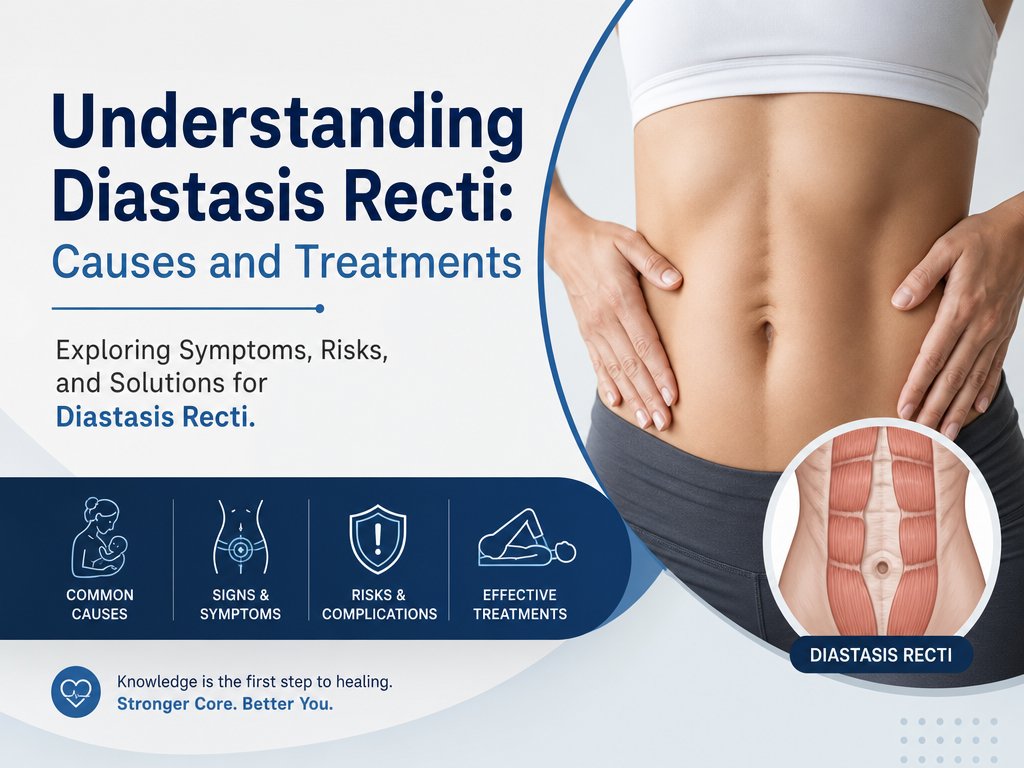
Diastasis recti is the term used to describe the separation of the rectus abdominis muscles, which are the muscles running vertically down each side of the front of the abdomen, along the midline of the stomach. A condition commonly affiliated with pregnancy, diastasis recti affects approximately 60% of women during or after their pregnancy period. It’s crucial to be aware that diastasis recti can also affect men and newborns. In men, it might happen due to incorrect exercise techniques or exerting excessive abdominal pressure from improper weightlifting. In newborns, the separation usually resolves by itself as they grow and develop naturally. During pregnancy, the expanding uterus places extra pressure on the abdominal wall, potentially leading to diastasis recti, more so for those expecting more than one baby.
Causes and Risk Factors
This condition is often attributed to increased abdominal pressure, particularly prominent during pregnancy as the uterus expands. Besides pregnancy, factors like improper heavy lifting and unsafe abdominal exercises can also lead to diastasis recti. Previously, it was believed that higher BMI and baby’s weight were significant risk factors, but recent studies show this isn’t consistently the case. Additionally, having a family history of connective tissue disorders and advanced maternal age could heighten susceptibility to this condition. Furthermore, undergoing multiple pregnancies and expecting twins or triplets drastically elevates the associated risk levels.
Identifying and Managing Symptoms
Signs of Diastasis Recti
Individuals need to look out for a bulge or ridge along their stomach, especially notable when flexing the abdominal muscles, such as when getting up from a reclining position. This may not always be evident during earlier stages of pregnancy, but it can become more pronounced in later trimesters or postpartum. Premature newborns may also show similar physical signs, but this issue often resolves on its own as they continue to grow. It’s also crucial to address the emotional aspects: discomfort or insecurity about body image may be experienced psychologically, highlighting a need for emotional as well as physical support during recovery phases.
Treatment Options
In the postpartum period, diastasis recti might heal as the body recovers naturally. Core-strengthening exercises, specifically those modified for postpartum recovery, can be highly beneficial. These targeted exercises work to re-strengthen the core muscles without applying too much pressure on the abdominal wall. Before embarking on any exercise regime, it is critical to consult with a healthcare provider to ensure that the exercises chosen are suitable for your particular condition. Avoid doing full sit-ups or any strenuous activities that might worsen the muscle separation. Learning to engage deeper core muscles provides essential support to the abdominal area throughout the healing journey.
When to Seek Medical Advice
If the diastasis recti condition is accompanied by severe pain or substantially disrupts daily life, consulting a doctor is imperative. In instances where conservative management does not yield improvement, and challenges persist, physical therapy or even surgical options might be explored. Engaging with healthcare experts ensures thorough assessment and enables creation of a suitable diagnostic and treatment plan.
Preventive Measures and Support
Exercise and Lifestyle Adjustments
Strengthening the core muscles can play a significant role in preventing diastasis recti. Exercising with caution while maintaining correct form during workouts is fundamental. It is necessary to avoid exercises that provoke the abdomen to protrude or strain the back. Prenatal and postnatal exercise programs should emphasize safe techniques and involve movements that do not adversely impact the abdominal region. Collaborating closely with a trained fitness expert can promote adherence to safe practices, ensuring exercises are beneficial rather than detrimental.
Professional Guidance
Receiving guidance from a physical therapist specializing in postpartum recovery can provide invaluable advice and suggest tailored exercises. Such experts can assist in creating a customized program that alleviates strain on abdominal muscles while enhancing overall core stability. Regular sessions and periodic follow-ups ensure not only progressive improvement but also the adaptation of the exercise program as the condition evolves. Discussing with your doctor about an adequate plan that also includes potential dietary advice, if necessary, will support comprehensive body health and enhance recovery.
Conclusion
In summary, while diastasis recti is a common occurrence post-pregnancy, it is indeed manageable with appropriate guidance, treatment, and care. Recognizing the importance of suitable exercises, learning correct techniques, and consulting with health professionals can significantly aid in managing symptoms and support the recovery process. Staying informed and proactive about available treatment options and lifestyle modifications can minimize the condition’s impact. The path to recovery encompasses attending to both physical and emotional needs, aiming towards a holistic approach for enduring well-being and improved quality of life.