Introduction to Cannabinoid Lotions
Bezzy communities provide meaningful connections with others dealing with chronic conditions. Join Bezzy on the web or mobile app to connect with fellow individuals.
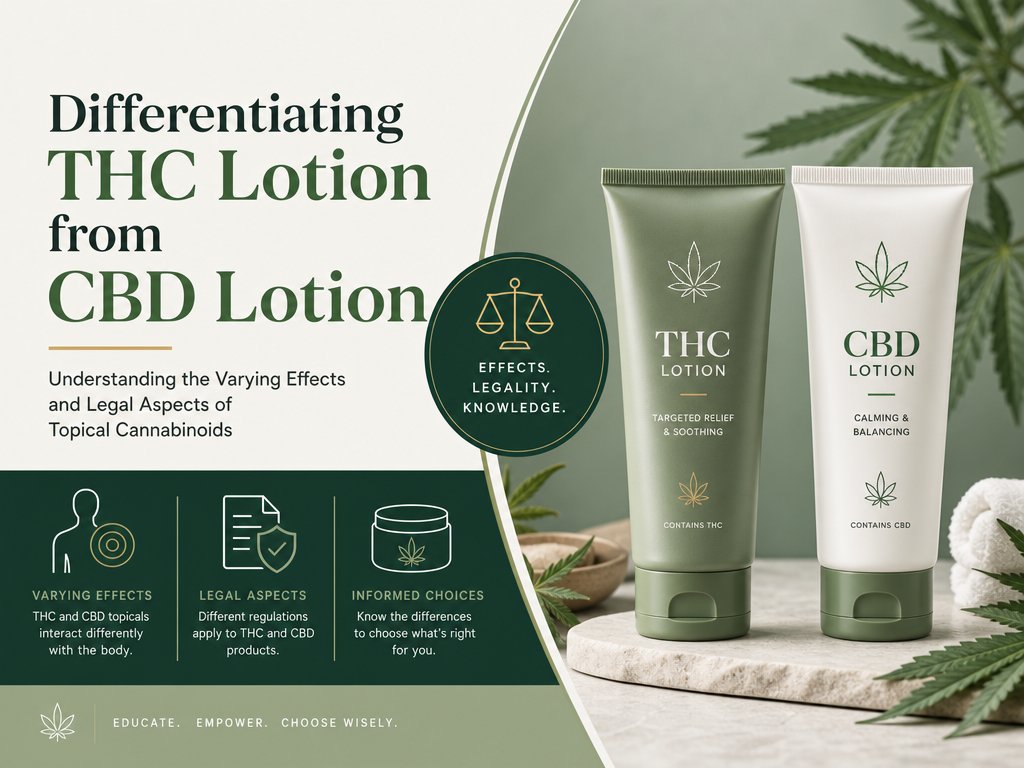
Cannabinoid lotions, particularly those infused with THC (tetrahydrocannabinol) and CBD (cannabidiol), are garnering increased attention for their potential health benefits, notably in providing pain relief and possessing anti-inflammatory properties. The primary distinction between THC and CBD lies in their chemical structure and legal standing, both of which significantly influence their availability and use.
Understanding THC and CBD
THC and CBD are both cannabinoids naturally found in the cannabis plant, but each exhibits distinct properties and effects. THC is widely recognized for its intoxicating effects, meaning it can induce a high, whereas CBD lacks such effects, making it a popular choice for those seeking therapeutic benefits without the high.
Both types of lotions are prized for their ability to alleviate localized pain and reduce inflammation. However, THC lotion may provide further advantages, such as muscle relaxation, which can be especially beneficial for athletes or individuals with chronic tension issues. The extent of these benefits often depends on the product’s potency and the specific needs of the user.
Legal Distinctions
The legal landscape surrounding these cannabinoids varies significantly globally and is frequently influenced by their psychoactive properties. Typically, THC-containing products are subject to stricter legal regulations compared to CBD products, primarily due to THC’s potential to cause intoxication. This can affect their availability and legality, which often fluctuates from one region to another.
Composition and Potency
THC lotions contain variable concentrations of tetrahydrocannabinol, the compound responsible for the characteristic high associated with cannabis use. Whether topical application leads to intoxication remains uncertain, as THC interacts with skin receptors to alleviate pain and discomfort. This uncertainty requires careful use for individuals cautious about experiencing psychoactive effects.
CBD lotions, particularly those labeled “full-spectrum,” might include small amounts of THC, commonly under 0.3% to comply with legal standards in many regions. Numerous THC-free CBD versions are available for users wishing to avoid any trace of THC, protecting them from potential legal issues or unwanted effects.
The Entourage Effect
Some lotions blend CBD and THC to harness the “entourage effect,” a concept suggesting that cannabinoids can amplify each other’s therapeutic benefits when used together. This synergy could potentially improve the overall efficacy of the lotion, delivering comprehensive pain relief and therapeutic value beyond what individual cannabinoids might offer alone.
Is THC or CBD More Effective?
To date, no large-scale studies sufficiently compare the effectiveness of THC and CBD lotions for specific ailments. Anecdotal evidence occasionally suggests THC as more potent, but this perception might be influenced by factors such as the placebo effect or individual preference. More detailed studies are essential to definitively evaluate their relative efficacy.
Safety Considerations and Side Effects
Both lotion types generally boast an excellent safety profile, although there’s always a potential for localized irritation from cannabinoids or other ingredients, such as fragrances or preservatives. It’s prudent to test new products on a small skin area to mitigate the risk of adverse reactions.
There are occasional reports of mild intoxicating effects stemming from stronger THC lotions, potentially due to actual absorption or merely the placebo effect. CBD remains non-intoxicating and is preferred by many for its safety and its non-psychoactive character.
For individuals subject to drug testing, it’s important to steer clear of THC products, as they could be absorbed into the bloodstream, potentially leading to positive test results. In contrast, CBD typically does not appear on standard drug tests, presenting a safer choice for anyone concerned with testing practices.
Quality and Regulation
Currently, the FDA does not regulate CBD or THC products, increasing the risk of mislabeling and quality inconsistencies. A 2022 study highlighted frequent inaccuracies in cannabinoids’ labeling, underscoring the necessity for consumer diligence.
To ensure quality, consumers should seek products subjected to third-party testing and readily available certificates of analysis online. Such transparency can authenticate the product’s contents and potency. Consider consulting established sources, such as top rankings like the “8 Best CBD Creams, Lotions, and Balms,” that feature reliable and well-reviewed choices.
Conclusion
Both THC and CBD lotions are promoted for their effectiveness in providing pain relief and anti-inflammatory benefits, although the potential intoxication from THC remains undefined through topical use.
Research remains scarce in distinguishing THC’s effectiveness from CBD’s for specific conditions. Consulting with healthcare professionals can support making informed decisions between the two, particularly for individuals with unique health issues or specified treatment objectives.
Sian Ferguson, a freelance health and cannabis writer based in Cape Town, South Africa, empowers readers with science-backed insights to enhance their overall mental and physical well-being. Her writing ensures that users make informed decisions based on credible sources, allowing them to navigate the complexities surrounding cannabinoid lotions with confidence and clarity.