Introduction to Blood Oxygen Levels
Maintaining healthy blood oxygen levels is essential for overall well-being and optimal bodily functions. Typically, these levels range from 95% to 100%, representing a healthy balance. Lower levels, referred to as hypoxemia, might suggest underlying health concerns that need medical attention. Being informed and monitoring these levels could significantly contribute to maintaining health and identifying potential issues early on.
Why Blood Oxygen Levels Matter
Blood oxygen is primarily transported throughout the body by red blood cells and plays a critical role in ensuring that oxygen reaches all tissues and organs. Although routine monitoring might not be necessary for everyone, it becomes particularly crucial for people exhibiting symptoms like shortness of breath, persistent fatigue, or frequent dizziness. Keeping track of these levels can aid in identifying medical conditions early, allowing for timely interventions and effective treatments.
Monitoring for Existing Conditions
Individuals with chronic health issues such as chronic obstructive pulmonary disease (COPD), asthma, or cardiovascular disorders often need to regularly monitor their oxygen levels to manage their health effectively and avoid complications. Continuous monitoring allows for timely adjustments to treatments and helps in preventing the exacerbation of underlying conditions. Such vigilant practice is especially important during health episodes or when new symptoms surface, signaling potential aggravation of existing illnesses.
Methods of Measuring Blood Oxygen
Two main methodologies are employed to measure blood oxygen levels, namely, the non-invasive pulse oximetry and the more invasive arterial blood gas (ABG) test. While pulse oximetry is favored for its convenience and simplicity, ABG tests offer precise accuracy and require a blood sample, typically drawn from an artery in the wrist.
Understanding Pulse Oximetry
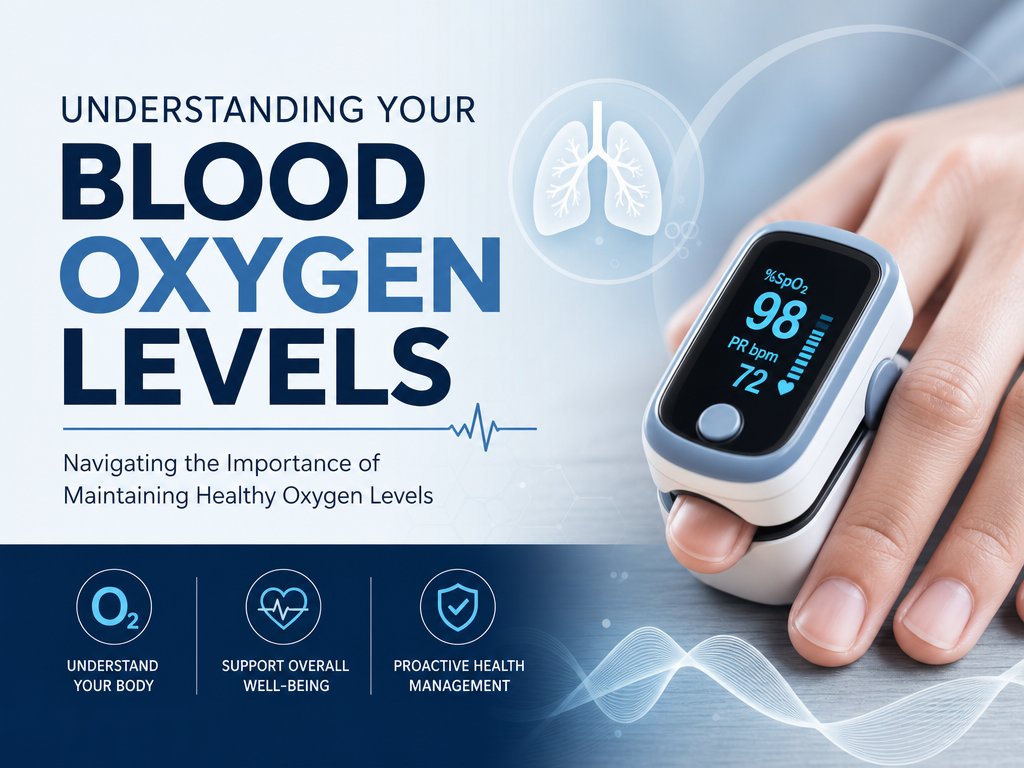
This non-invasive method measures SpO2, or blood saturation levels, ideally between 95% and 100%. Pulse oximeters, generally placed on a fingertip or earlobe, use light sensors to detect oxygen levels through the skin’s surface. SpO2 readings persistently below 92% often warrant further investigation with an ABG test, offering precise insights into blood oxygen and carbon dioxide levels, and blood pH.
Details on ABG Testing
The ABG test offers comprehensive data, measuring parameters such as PaO2 (partial pressure of oxygen), expected to range between 75 to 100 mm Hg in healthy lungs. This testing is recommended for smokers due to potential inaccuracies in pulse oximetry readings, often skewed by carbon monoxide exposure. The ABG test assesses the lungs’ effectiveness in transferring oxygen into the blood while removing carbon dioxide, offering vital insights for accurate treatment planning.
The Implications of Low Oxygen Levels
A blood oxygen level dropping below 95% can pose health risks. Severe drops can result in cyanosis, distinguished by bluish skin and nails, signaling an urgent need for medical attention. Prolonged low blood oxygen levels can lead to various complications, disturbing organ function and potentially leading to conditions like pulmonary hypertension or heart issues. Understanding symptoms and engaging in preventive care is essential in tackling low oxygen levels promptly.
Causes of Hypoxemia
Different health and circulatory conditions may hinder blood oxygen uptake, culminating in hypoxemia. Causes might include chronic respiratory conditions, heart complications, anemia, or residing at high altitudes with reduced oxygen levels. Accurately identifying underlying causes aids effective treatment, improving blood oxygen levels. It is paramount for individuals experiencing hypoxemia symptoms to seek consultation with a healthcare provider for appropriate management.
Raising Blood Oxygen Levels
Boosting oxygen levels naturally at home involves seeking fresh air, practicing breathing exercises, staying adequately hydrated, and avoiding tobacco smoke. Regular light exercises, such as walking or practicing yoga, can enhance lung capacity, consequently upping oxygen levels. Those with chronic health conditions may require prescribed supplemental oxygen therapy, alleviating symptoms like shortness of breath and fatigue and improving the overall quality of life. Ensuring proper oxygenation at the cellular level contributes to effective body functioning.
Conclusion
While routine oxygen level monitoring might not be essential for every individual, it is vital for those with particular health conditions. Recognizing the importance of maintaining adequate oxygen levels can facilitate early detection of potential health issues. Regular management and check-ups are pivotal in preventing complications, thus ensuring the maintenance of health and well-being. Being informed on how to measure, monitor, and uphold optimal blood oxygen levels equips individuals with a powerful tool to enhance long-term health and improve life quality.