Understanding Vitamin E Deficiency
Vitamin E is a crucial fat-soluble antioxidant that supports immune function, reproductive health, and various metabolic processes. Found mostly in a diverse range of food items, vitamin E deficiency is relatively uncommon unless associated with specific health conditions or dietary restrictions.
Indicators of Vitamin E Deficiency
If you suspect a vitamin E deficiency, it is essential to consult with a healthcare provider. Symptoms can include muscle weakness, impaired balance, nerve damage, visual disturbances, and a compromised immune response. Ignoring these symptoms could lead to more significant health challenges, so seeking medical advice is crucial.
Importance of Vitamin E
Vitamin E functions as a vital antioxidant, protecting cells from oxidative stress and damage. It naturally occurs in various foods, including nuts, seeds, and green leafy vegetables. While deficiency is rare, it might arise due to underlying health issues that impair fat absorption. Conversely, excessive vitamin E intake is not advisable, as it can increase bleeding risks and interact unfavorably with certain medications. Consulting a healthcare provider when symptoms present themselves ensures a safer approach to vitamin E management.
Diagnosing and Addressing Deficiency
A confirmed vitamin E deficiency typically leads doctors to recommend appropriate supplementation while emphasizing a diet rich in vitamin E. Supplementation should be monitored and guided by healthcare professionals to avoid potential toxicity or interactions with other medications.
Dietary Sources of Vitamin E
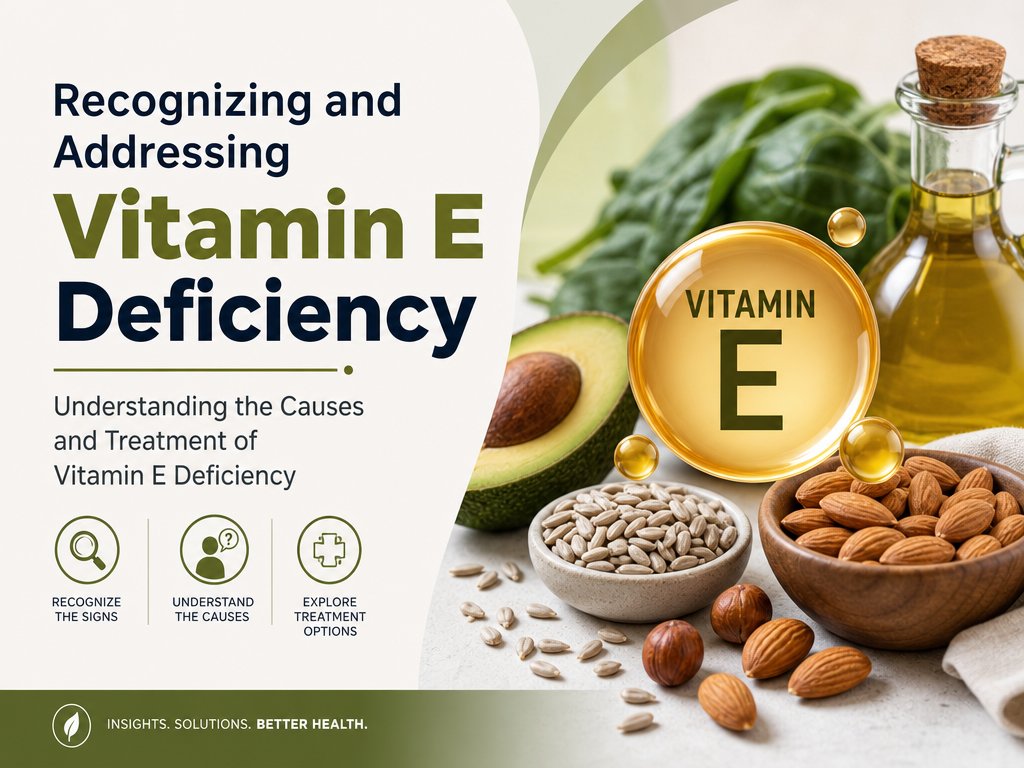
Increasing vitamin E intake can be effectively achieved by consuming foods rich in this nutrient. These include almonds, sunflower seeds, spinach, and avocado. Prioritizing dietary sources over supplements is generally advised due to the potential for more balanced nutrition.
Potential Interactions with Supplements
Consultation with a healthcare provider before starting vitamin E supplementation is critical, as supplements may interfere with blood thinners or other prescribed medications. This precaution ensures the safe integration of vitamin E supplements into your treatment plan.
Specific Health Conditions
Certain medical conditions that hinder fat absorption, such as Crohn’s disease or cystic fibrosis, can lead to vitamin E deficiency. Additionally, genetic disorders like ataxia with vitamin E deficiency (AVED) predominantly impact muscle control and neurological functions, mainly affecting children aged 5 to 15. Monitoring and tailored interventions are essential for those with these conditions to prevent long-term complications.
Developing a Treatment Plan
Upon confirming a diagnosis of vitamin E deficiency, a healthcare provider will tailor a treatment strategy potentially involving high-dose supplements or water-soluble forms of vitamin E. This approach addresses both immediate needs and long-term health planning, ensuring improvement in vitamin E levels without causing adverse effects.
Untreated vitamin E deficiency can worsen over time, leading to significant health issues, such as neurological problems and compromised immune function, ultimately affecting quality of life. Hence, it is crucial to work closely with healthcare professionals to manage and enhance your vitamin E intake effectively, addressing both dietary habits and any medical conditions that may contribute to deficiency. Regular follow-ups and assessments form a fundamental part of maintaining optimal health and well-being.