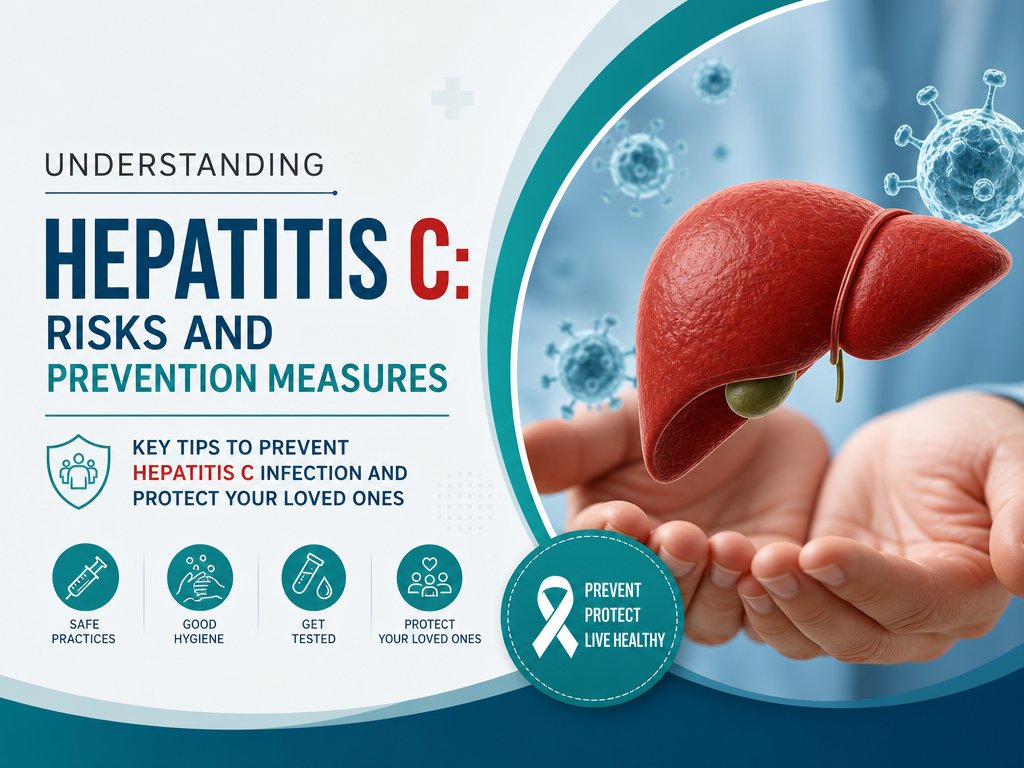
Introduction to Hepatitis C
Hepatitis C is a serious liver disease that can appear as either an acute or long-term chronic condition. Chronic hepatitis C may ultimately lead to major complications, creating significant health threats over time. Primarily caused by the hepatitis C virus, this infection affects an estimated 2.7 to 3.9 million individuals in the United States alone. Not limited to one region, the virus is a concern worldwide, impacting various populations irrespective of demographic boundaries and socio-economic statuses.
Transmission and Risk Factors
Given the primary mode of transmission through contact with infected blood, concern about the spread of hepatitis C is understandable. It is vital to note that sharing needles or drug injection equipment remains the most common cause of transmission of this virus. The virus can also spread in healthcare settings via accidental needle-sticks and can be passed down from mother to child during childbirth. Awareness and proper precautionary measures in medical environments are crucial to preventing transmissions in these settings.
Although less common, the virus may be transmitted through the shared use of personal items like razors and toothbrushes, sexual activity, tattooing, and body piercing, particularly if proper hygiene protocols are not strictly followed. The virus spreads only through blood and not through other bodily fluids, foods, water, or casual personal contact. Understanding these nuances and transmission pathways helps in taking targeted preventive actions.
Precautionary Measures
Preventing hepatitis C transmission involves careful efforts to avoid contact with blood from infected individuals, as blood retains its infectious nature even when it dries, remaining viable on surfaces for up to three weeks. Proper protocols when dealing with blood spills, regardless of their apparent size or age, should be consistently followed to ensure safety. Implementation of thorough cleaning techniques and using gloves when handling blood is essential for health workers and caregivers.
Refrain from sharing personal items that could harbor traces of blood. If you suspect that you have been exposed to the virus, consult a healthcare professional about getting tested, as early treatment is crucial to prevent potential liver damage.
Although sexual transmission is not the most prevalent mode, using latex condoms is advisable, particularly for individuals with multiple partners or in non-monogamous relationships. The likelihood of sexual transmission is lower during monogamous sexual relations or through oral sex. Education around safe sexual practices is vital to reducing potential risks among partners.
Medication and Care
Patients undergoing treatment with ribavirin, an antiviral medication for hepatitis C, should be aware that it can cause severe birth defects. Consequently, reliable birth control is strongly recommended for both partners throughout the treatment duration and for at least six months following its completion to circumvent pregnancy-related risks. This aspect of treatment calls for sensitivity and informed decision-making among healthcare providers and patients to ensure compliance and understanding.
For mothers with hepatitis C, transmission to infants during childbirth is rare, though extra diligence is necessary, especially if co-infected with HIV. Breastfeeding remains generally safe unless the mother experiences bleeding nipple cracks, which could increase the risk of virus transmission. Consulting healthcare professionals for personalized advice becomes even more imperative in such situations.
Communication and Support
If diagnosed, it is important to openly discuss your hepatitis C status with those you are close to, as this educates them on how to protect themselves from the virus and provides them with an opportunity to understand the associated risks and preventive measures. Creating an informed environment can foster greater understanding and protection among those involved. Additionally, joining support groups or community programs can be beneficial for gaining further insights and sharing experiences with others affected by hepatitis C. Emotional and psychosocial support plays a critical role in managing chronic diseases, including hepatitis C.
By taking these steps and implementing these precautionary measures, the spread of hepatitis C can be greatly minimized, ensuring a higher level of safety and health for not only yourself but also those around you. Continuous research and community collaboration remain crucial in enhancing preventive strategies and improving patient outcomes.