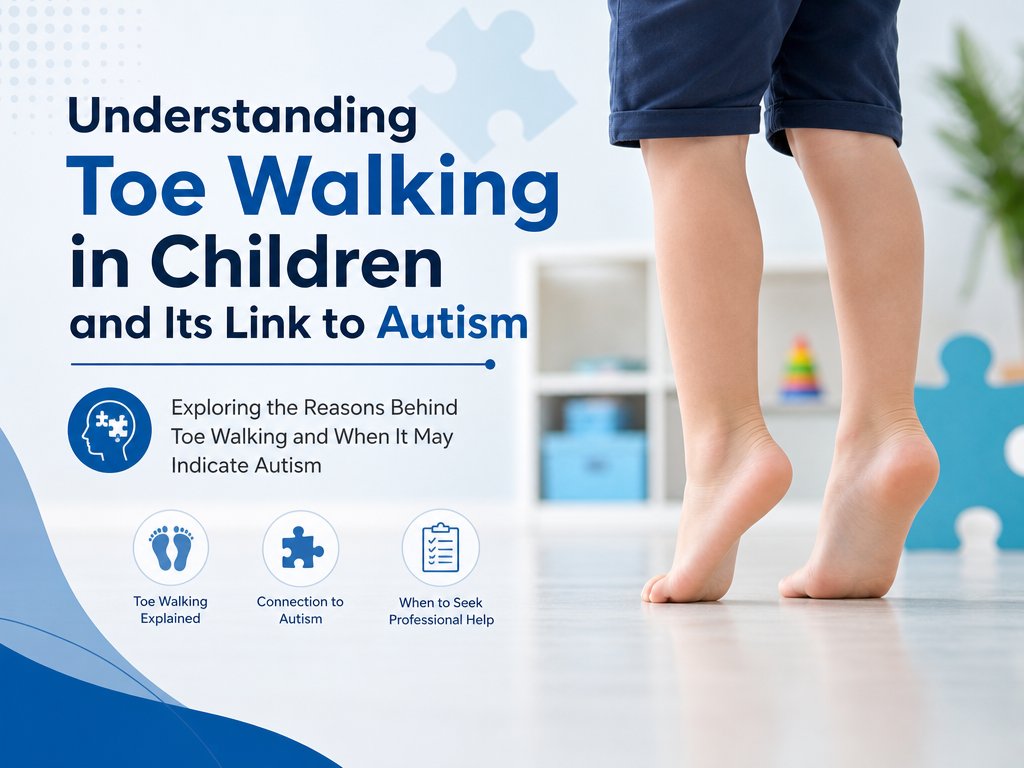
Introduction to Toe Walking
Toe walking is a common occurrence in young children and can sometimes be linked to autism or other developmental conditions. However, it is essential to note that toe walking, especially in very young children, does not always indicate an underlying health issue and can be a temporary phase as they develop their motor skills.
Autism Spectrum Disorder and Toe Walking
Autism spectrum disorder (ASD) encompasses a range of neurodevelopmental conditions that impair communication and social interaction. Among its various symptoms, some autistic individuals may exhibit toe walking. Although toe walking can be an early indicator of autism, it often persists beyond age three if associated with an underlying condition such as ASD, and it necessitates evaluation if present alongside other autism symptoms.
Possible Reasons and Implications
Persistent toe walking could indicate a developmental condition affecting muscle use, such as autism, muscular dystrophy, or cerebral palsy. However, it is common for children who are in the process of learning to walk to engage in toe walking, which they typically outgrow by age two. If toe walking continues, a professional evaluation might be necessary to rule out potential causes such as tight Achilles tendons, muscle tone issues, or other neurological factors.
Sensory Responses in Autistic Individuals
Autistic individuals sometimes walk on their toes due to sensory response differences. Toe walking might be part of a unique gait pattern often seen in autistic children, affecting balance and increasing the risk of joint or muscle issues. These sensory responses could include hyperresponsiveness or hyporesponsiveness to certain stimuli, leading to different movement strategies like toe walking as a form of sensory regulation.
Impact on Autistic Individuals
These unique movement patterns can impact stability and increase chances of injuries from falls. It is crucial to avoid labeling these behaviors negatively, as doing so could lead to feelings of stigma and shame. Instead, fostering a supportive environment for autistic children helps them manage these challenges more effectively and promotes positive self-esteem and resilience.
Role of Occupational Therapy
Occupational therapy aids people in developing essential skills for daily life, including motor, cognitive, and social abilities. Through personalized strategies, therapy focuses on improving areas such as balance, coordination, and overall independence. Occupational therapists work with children and their families to ensure that therapeutic activities are integrated into the child’s daily routine, thereby promoting natural learning and skill acquisition.
Exercises to Support Autistic Individuals
Full-body exercises help in building strength, improving posture, and enhancing body awareness. Encouraging children to engage in regular activities, adjusted to their comfort levels, can improve outcomes. Activities like jumping, climbing, and balancing games not only make exercise fun but also work on core strength and stability, all of which help mitigate toe walking and support general motor development. By targeting specific muscle groups and incorporating a variety of physical activities, occupational therapy enhances gross motor skills, enabling children to gain more control over their movements and reduce reliance on toe walking as they grow.
Conclusion and Recommendations
Toe walking in children warrants attention if it continues beyond the typical age range and occurs alongside other autism symptoms. While it can indicate a neurological condition, support from occupational therapy and exercises can significantly aid those with or without an underlying condition. It is essential to approach the situation with patience and understanding, ensuring that interventions are tailored to the child’s specific needs and abilities. Consultation with healthcare professionals is recommended if concerns persist, as early intervention can lead to better long-term outcomes. Addressing toe walking with a comprehensive approach that includes medical evaluation, therapy, and family support ensures that children receive the care they need to thrive. Encouraging family members to actively participate in therapeutic activities can enhance effectiveness, providing children with the confidence and skills necessary for independent participation in various life activities.