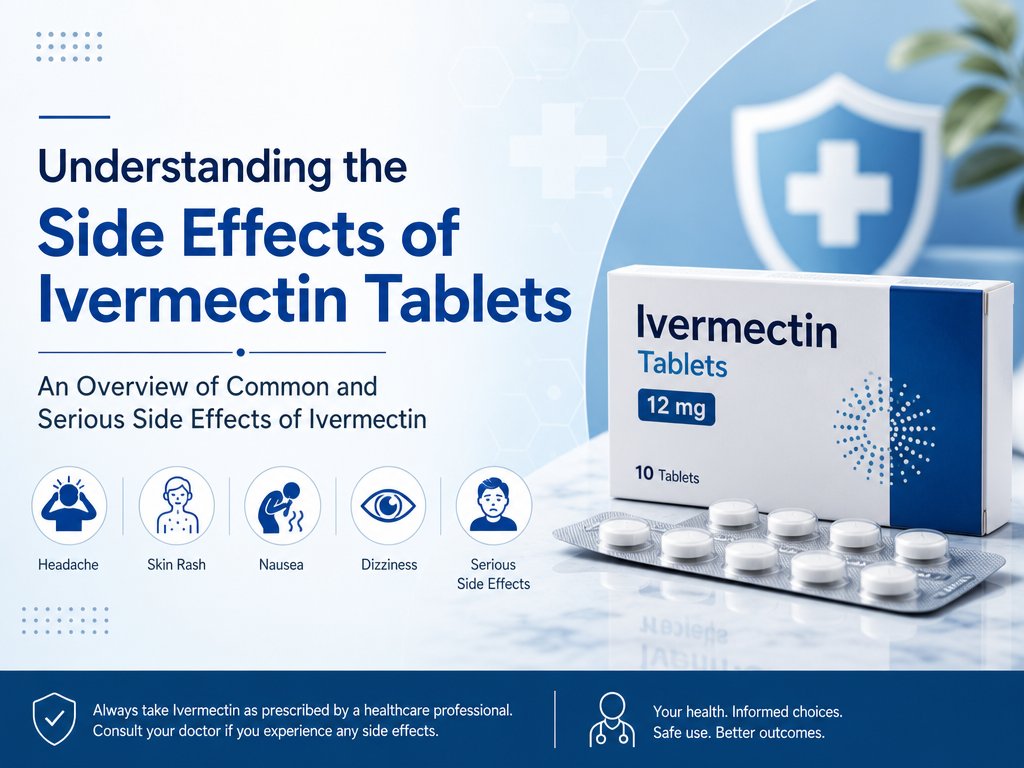
Overview of Ivermectin
Ivermectin is a prescription medication used primarily to combat a variety of parasitic infections in adults and select children, offering relief from conditions caused by parasites such as head lice, scabies, river blindness, strongyloidiasis, and others. This medication is typically supplied in several formulations, including oral tablets, and topical creams and lotions, each suited for different types of infestations or infections. The focus of this overview, however, is specifically on the oral tablet form, which is most commonly utilized in the treatment of internal parasitic infections.
Common Side Effects
Ivermectin for Strongyloidiasis
When administered for the treatment of strongyloidiasis, a parasitic affliction attributed to the worm Strongyloides stercoralis, individuals undergoing treatment may experience common side effects. Among these are headaches, dizziness, muscle pain, nausea, and diarrhea. These reactions are usually mild and tend to subside over time as the body becomes accustomed to the medication. Nonetheless, if symptoms persist or escalate in severity, consulting a healthcare provider is recommended. Furthermore, some patients might notice fatigue or loss of appetite as potential side effects. It’s crucial to stay hydrated and maintain a balanced diet during the course of treatment.
Ivermectin for Onchocerciasis
In the management of onchocerciasis, also recognized as river blindness due to its association with the worm Onchocerca volvulus, some patients may encounter mild side effects. The side effects may include itching, rash, and a mild fever. These are not uncommon and are expected to resolve spontaneously as well. However, if these problems do not dissipate or appear to worsen, reaching out to a healthcare provider is strongly advised to ensure the safety and efficacy of treatment. The importance of reporting persistent side effects cannot be overstated, as they may impact the course of treatment. In addition, potential temporary eye discomfort may occur, which should also be monitored closely.
Potential Serious Side Effects
In certain instances, the use of ivermectin has been associated with serious side effects. Obtaining immediate medical consultation is crucial if experiencing symptoms such as substantial adverse skin reactions, significant dizziness, or signs of cardiac irregularities, including fast or irregular heartbeat. Allergic reactions, although not frequently documented, demand serious attention. Signs of a severe allergic reaction may encompass hives, difficulty breathing, and swelling of the face, lips, tongue, or throat. In extreme cases, vision changes or seizures could occur, which are a critical alert to seek urgent care. In the event of severe reactions, contacting emergency services without delay is indispensable, as these could be life-threatening.
Managing Side Effects
Close monitoring of health while taking ivermectin is crucial for the early identification of potential issues and ensuring an effective treatment strategy. Keeping a comprehensive and detailed record of any side effects encountered and discussing them with your healthcare provider will allow for necessary adjustments to the treatment plan if warranted. For instance, adjustments in dosage or timing of administration might be advised based on individual tolerance levels. Importantly, refrain from discontinuing the usage of the medication abruptly without prior discussion with your doctor, as this could adversely affect treatment outcomes and result in complications from the untreated parasitic infection. Maintaining open lines of communication with your healthcare provider will promote safe and secure treatment experiences.
Ivermectin and Other Health Considerations
Ivermectin may not be suitable for individuals with specific health conditions. Those who have a history of allergic reactions to ivermectin or possess significant liver-related concerns should be especially cautious. Engaging in a thorough consultation with your healthcare provider, presenting a comprehensive medical history, and discussing existing conditions before commencing treatment is vital to evaluate the appropriateness of ivermectin. Each patient presents a unique health profile, and individual precautions are necessary to tailor a treatment plan that ensures maximum safety and efficacy. In the context of pregnancy or nursing, the benefits and risks should be evaluated meticulously. Potential risks must be carefully weighed against benefits, providing reassurance that patient health is prioritized throughout.
Interactions and Usage Precautions
Although documented interactions between ivermectin and alcohol are not extensively established, the consumption of alcohol could potentially heighten the risk of experiencing side effects when taking the medication. As such, moderation in alcohol consumption is encouraged during treatment. Furthermore, it is imperative for patients to avoid consuming medications designed for animals. Veterinary formulations differ significantly from those prescribed to humans, both in concentration and potential safety profile. Such formulations could result in severe harm or unpredictably affect human health, underscoring the importance of adhering strictly to medication meant for human use only. Additionally, monitoring interactions with other medications, such as blood thinners or anticonvulsants, is advisable to prevent complications.
Conclusion
Ivermectin remains a potent and effective solution for treating a range of parasitic infections. Nonetheless, being fully informed about its potential side effects and managing them responsibly is of paramount importance for all patients. Always adhere to consulting with a healthcare professional to obtain advice that is tailored to your specific health condition and prescribed treatment regimen. Through this vigilant approach, safety and optimal therapeutic outcomes are assured, allowing patients to achieve the desired relief and health improvements. Engaging in regular follow-ups and updating your provider with any new symptoms or health changes can enhance treatment success. By complying with medical advice and monitoring your health closely, you can maximize the benefits of ivermectin treatment and focus on a swift recovery.