Understanding Parasocial Relationships
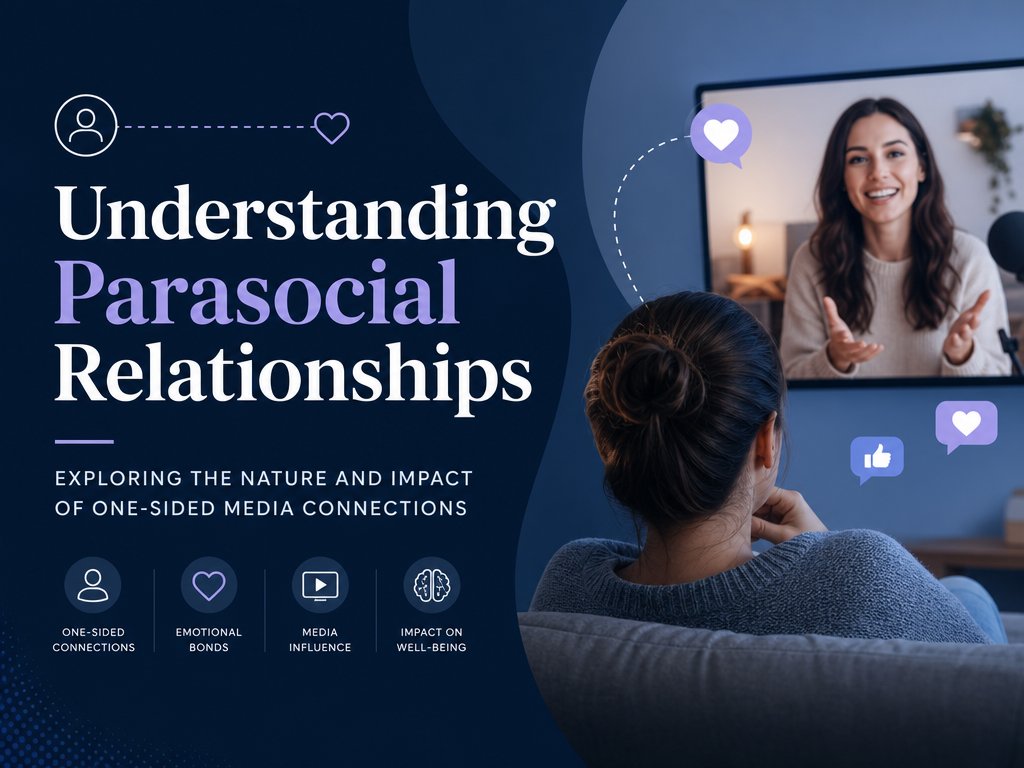
Parasocial relationships are non-reciprocal connections individuals form with media figures, such as celebrities or social media influencers, without any direct interaction. These relationships emerged as a topic of interest in the 1950s, as researchers began to study their considerable impact on people’s emotions, behaviors, and perceptions. Although not defined as a mental health condition, parasocial relationships can significantly affect individuals’ lives.
How They Develop
These relationships typically develop through the regular consumption of media content, be it from television, films, social media, or other platforms. The constant exposure and growing familiarity with a media figure create a perceived intimacy similar to personal relationships one might have with friends or family. This repeated interaction fosters a sense of personal connection and emotional investment, even though there is no real-world communication.
Recognizing a Parasocial Relationship
Recognizing a parasocial relationship involves identifying several indicators. First, the emotional investment and identification with a media figure’s life or work often surpass normal levels of admiration or fandom. Additionally, the connection can influence moods, daily life decisions, and even social views. Understanding the impact of these relationships is crucial, especially since they play a substantial role in marketing strategies. Advertisers often exploit these emotional connections to promote products and services, relying on people’s seemingly personal bonds with celebrities or influencers to drive consumer behavior.
Managing Parasocial Relationships
For those who find a parasocial relationship becoming overwhelming or intrusive, seeking professional assistance may be beneficial. Consulting a doctor or therapist can offer guidance and help in understanding these feelings. However, self-management can also be effective. It’s vital to note the widespread nature of parasocial relationships, an issue that has grown even more prevalent due to the extensive use of social media. Setting clear boundaries regarding media consumption and distinguishing between entertainment and reality can help in managing these connections effectively.
Impacts of Parasocial Relationships
The impact of parasocial relationships largely hinges on how they affect your well-being. For some, these relationships can be harmless or even provide emotional support and fulfillment. They may offer a sense of companionship, especially in cases where individuals experience loneliness. However, when these connections lead to negative consequences, such as isolation from real-world social interactions or emotional distress from unmet expectations, it may be time to consider seeking intervention to restore balance in one’s life.
Difference from Erotomania and CWS
It is important to distinguish parasocial relationships from more severe conditions like erotomania and Celebrity Worship Syndrome (CWS). Erotomania involves delusions of reciprocated love, typically targeting someone with whom the individual has no actual contact or relationship. In contrast, CWS represents a more extreme and potentially harmful form of admiration, where behaviors become obsessive and interfere significantly with daily life. Understanding these differences helps highlight when a connection might be crossing into potentially unhealthy territory.
Balancing Reality with Media Connections
Parasocial relationships have become a common aspect of modern life, capable of offering both beneficial and adverse experiences. By understanding and maintaining good boundaries, individuals can enjoy these connections responsibly while ensuring that real-life interactions and relationships continue to flourish. It is important to be mindful of the balance between the virtual and the real, as genuine social interactions provide an irreplaceable foundation for emotional well-being and fulfillment. Managing parasocial relationships involves appreciating the entertainment and connection they provide while not letting them overshadow or replace meaningful personal relationships.