What Are Boils and How Do They Form?
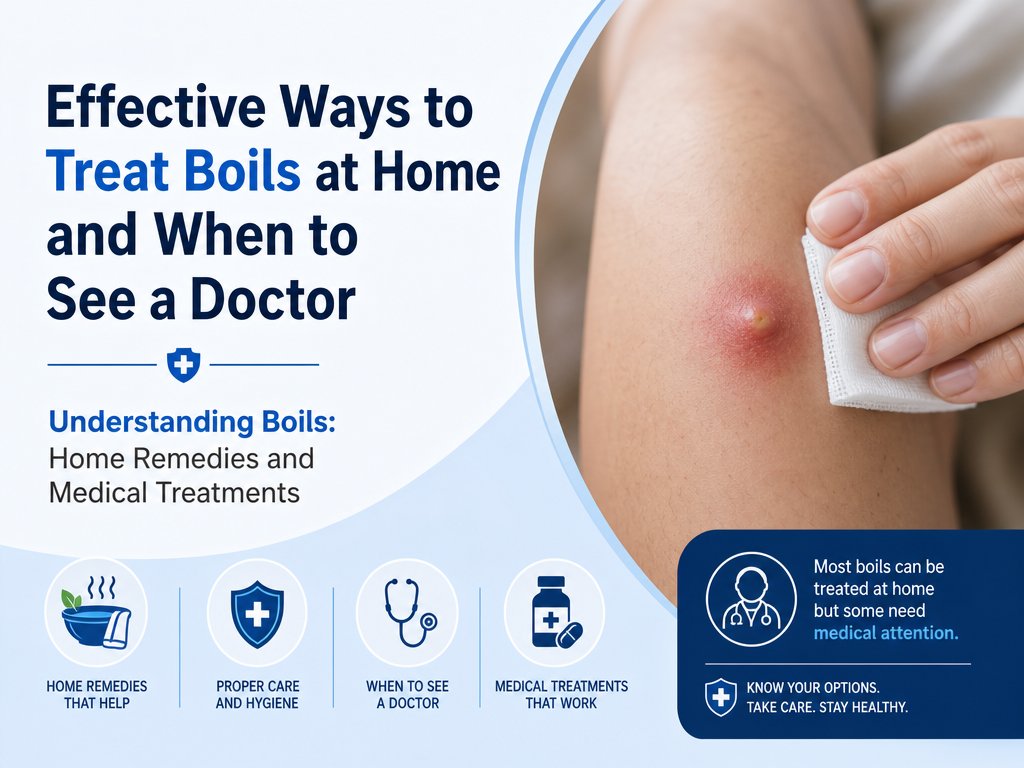
Boils, medically known as furuncles, are red, painful, and pus-filled bumps that develop underneath the skin surface. They typically emerge when bacteria infect a hair follicle or an oil gland. The common culprit behind these infections is Staphylococcus aureus bacteria. It’s important to note that boils can often be mistaken for other skin conditions such as cysts or carbuncles. A carbuncle is essentially a cluster of boils forming a single contiguous mass, whereas a cyst is a closed sac beneath the skin, which contains fluid or a semi-solid substance. Understanding these distinguishing factors is crucial for accurate diagnosis and treatment.
Signs and Progression of a Boil
As boils progress through their lifecycle, they tend to enlarge and develop a yellow-white center, frequently referred to as the “head.” Even though there is an understandable temptation to pop the boil to alleviate the mounting pressure, it is critically important to refrain from doing so. Popping a boil prematurely can lead to further infection, spreading bacteria to adjacent skin areas or even deeper tissue, thereby complicating the healing process. Such complications can result in a longer recovery period and potentially create more serious skin issues.
Home Remedies and Precautions
Many people may want to handle boils at home to avoid medical intervention. If you’re aiming to treat a boil yourself, allowing it to drain naturally by applying hot compresses can be effective. This method can help bring the boil to a head, reduce discomfort, and facilitate natural drainage. However, it’s imperative to maintain proper sanitation techniques and to remember that popping them manually is not advisable. The natural opening should be allowed to happen, preventing the risk of complications and infection spread.
When to Seek Medical Help
It’s essential to seek medical advice if a boil doesn’t improve or heal within a timeframe of approximately two weeks, or if you are experiencing intense pain, fever, or other concerning symptoms. In such cases, a healthcare professional can perform a safe incision and drainage procedure in a controlled, sterile medical environment to mitigate risks and promote effective healing. Medical intervention is particularly essential if you notice the boil spreading or developing into a recurrent problem.
Professional Treatment of Boils
Doctors usually adopt an approach of incision and drainage when treating severe or persistent boils. In some instances, the area may be packed with sterilized gauze to absorb any residual pus or fluid, aiding in faster recovery. Although antibiotics can be prescribed, especially for facial boils or larger infections, they may not always be effective because of the limited blood supply around the infected site, which can hinder the antibiotics from reaching the affected area adequately. This limitation highlights the importance of direct intervention and appropriate surgical procedures in managing severe boil cases.
Conclusion
Despite the desire to find quick solutions, completely eliminating a boil overnight is generally unattainable. Utilizing topical antibiotic creams or safe home methods like warm compresses can, however, accelerate the healing. Importantly, always consider seeking professional medical assistance if the boil persists, becomes more painful, or shows any signs of spreading infection. Professional advice ensures that the condition is managed safely and prevents potential complications, making it an essential part of treatment.