Introduction to CrossFit and Pelvic Floor Health
In recent years, CrossFit has gained immense popularity as a high-intensity workout designed to enhance muscle strength and overall fitness. Nonetheless, it is crucial to recognize that this rigorous exercise regimen can also have an impact on your pelvic floor muscles. Cultivating awareness in this area can lead to superior fitness outcomes and help prevent potential complications from arising. Understanding the interplay between CrossFit and pelvic floor health allows for a more comprehensive approach to fitness, ensuring that your workout not only strengthens your body but also protects vital functions.
Understanding the Pelvic Floor
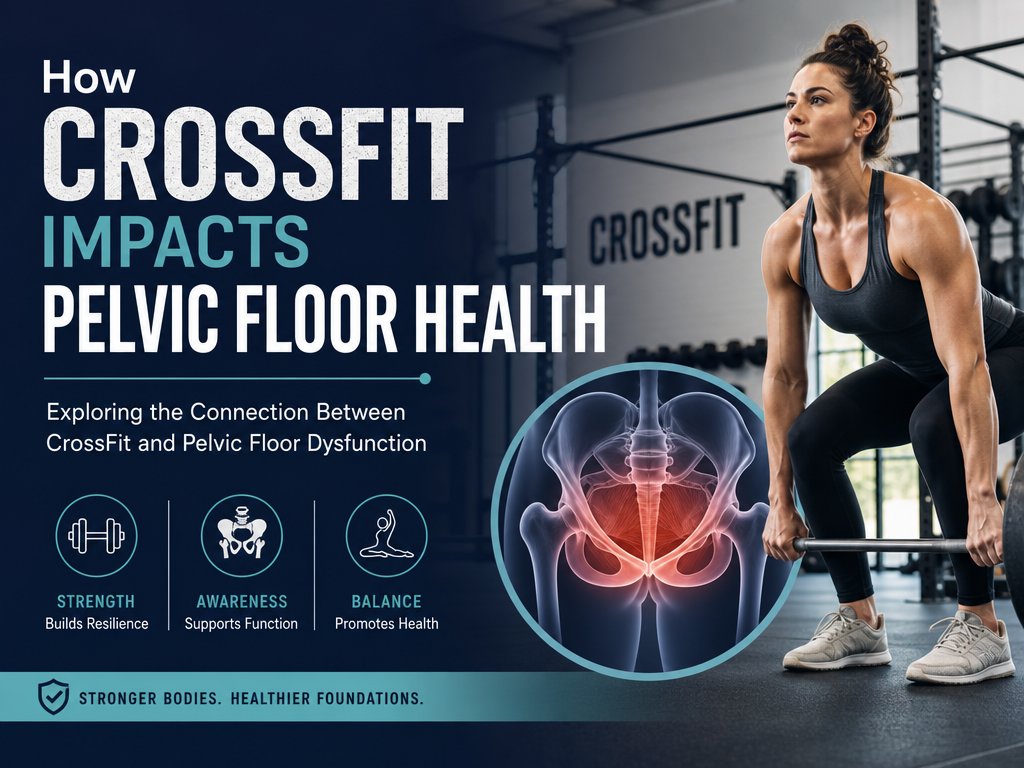
The pelvic floor muscles function like a supportive hammock surrounding the pelvic region, encompassing both the front and back to cover the area around the pelvis. According to Anthony Lo, a musculoskeletal physiotherapist, these muscles are vital for the maintenance of proper bodily functions. They support pelvic organs such as the bladder, uterus (in women), and bowel, assisting in bladder control, bowel movements, and sexual function, and contribute to core stability. A well-balanced pelvic floor is neither too weak nor overly active, and deviations from this balance can result in dysfunction that affects everyday activities and overall well-being. It is the dynamic interaction between these muscles that ensures the seamless operation of our daily functions, from managing continence to supporting posture.
What Causes Pelvic Floor Dysfunction?
Weakness or overactivity in the pelvic floor muscles can lead to dysfunction. Symptoms may appear similar, causing confusion for those experiencing them. Emily McElrath, a specialist in treating CrossFit athletes, cautions against assuming that all pelvic floor issues are due to weakness, noting that overactivity is also a frequent cause. Identifying the root cause is essential for effective treatment and symptom management, allowing for targeted interventions. Factors leading to dysfunction may include pregnancy, childbirth, surgery, heavy lifting, high-impact sports, or chronic straining during bowel movements. Recognizing these causes helps individuals employ preventative measures. Expert consultation can help pinpoint the precise nature of the dysfunction.
The Impact of CrossFit on Pelvic Floor
While CrossFit typically doesn’t cause pelvic floor dysfunction, it can exacerbate existing conditions in individuals already experiencing issues. McElrath notes that, like other high-intensity sports, CrossFit can elevate the demands placed on pelvic floor muscles, particularly during exercises involving heavy lifting or high-impact movements. For those prone to pelvic floor issues, this added strain may lead to increased discomfort or dysfunction, affecting performance and health. Recognizing individual susceptibility to pelvic floor strain is key, enabling tailored modification of exercises to uphold both high fitness standards and an intact pelvic floor. Each CrossFit regimen should be assessed for its pelvic floor implications to ensure that exercises support, rather than challenge, pelvic floor resilience.
Breathing, Belting, and Body Mechanics
Proper breath control, paired with effective weightlifting techniques, is crucial in shielding the pelvic floor from excessive stress. Many athletes resort to using belts without considering their impact on pelvic floor health. When breath control is inadequate while using belts, increased pressure can elevate the risk of pelvic floor injuries. Understanding how to engage the core correctly without over-relying on belts is advantageous for maintaining pelvic floor health and achieving optimal performance. Athletes should practice breathing techniques such as the Valsalva maneuver with caution, ensuring they distribute the intra-abdominal pressure safely. Mastery of these elements allows athletes to mitigate intra-abdominal pressures that can compromise pelvic floor integrity, making the understanding of body mechanics an invaluable asset to fitness training.
Managing Pelvic Floor Health in CrossFit
Brianna Battles, a strength coach, underscores the importance of tuning into one’s body and mastering proper techniques for managing symptoms. Simple adjustments in technique or breathwork can make a considerable difference in maintaining pelvic floor integrity. Reevaluating workout routines to include pelvic floor-friendly exercises can enhance performance without sacrificing health. Integrating low-impact variants of traditional CrossFit drills, focusing on form over quantity, or adopting progressive training methods can prevent exacerbation of pelvic floor issues, allowing athletes to maintain their routines with fewer interruptions due to discomfort or injury.
Specialist Support and Relaxation Techniques
Consulting with a pelvic floor specialist is advisable if symptoms persist. Specialists can offer treatment options without resorting to invasive methods. They may recommend exercises tailored to individual needs or advise therapies such as biofeedback. Additionally, relaxation practices, including deep breathing or the use of tools like vaginal dilators, can assist in alleviating symptoms, fostering recovery, and promoting better muscle function. These strategies can reduce muscular tension and heighten awareness of muscle function, aiding both in symptom relief and in the restoration of muscular harmony. Proactive management using these techniques can significantly enhance the quality of life for athletes experiencing pelvic floor complications while continuing their fitness journey.
Conclusion: Keep Moving with Awareness
Anthony Lo advises against ceasing CrossFit exercises when facing pelvic floor issues. Instead, consider collaborating with professionals to find ways to adapt workouts safely. By ensuring that exercises are modified to protect the pelvic floor, you can continue to foster athletic development without undue risk. Awareness and adaptation in exercise execution are central to maintaining an active lifestyle without succumbing to pain or discomfort due to pelvic floor dysfunction.
Whether you’re returning to exercise postpartum or dealing with symptoms of dysfunction, it is vital to understand and respond to your body’s signals for continued health and fitness. Staying well-informed and proactive regarding pelvic floor health guarantees that fitness journeys remain positive and empowering. By prioritizing this often-overlooked aspect of fitness, you can enjoy the diverse benefits of CrossFit while sustaining overall bodily health and well-being. Encouraging an environment that prioritizes pelvic health can promote a more inclusive and sustainable approach to fitness. Awareness and education are the first steps toward long-term wellness and athletic success. Understanding and incorporating protective practices enables individuals to navigate sports with confidence.