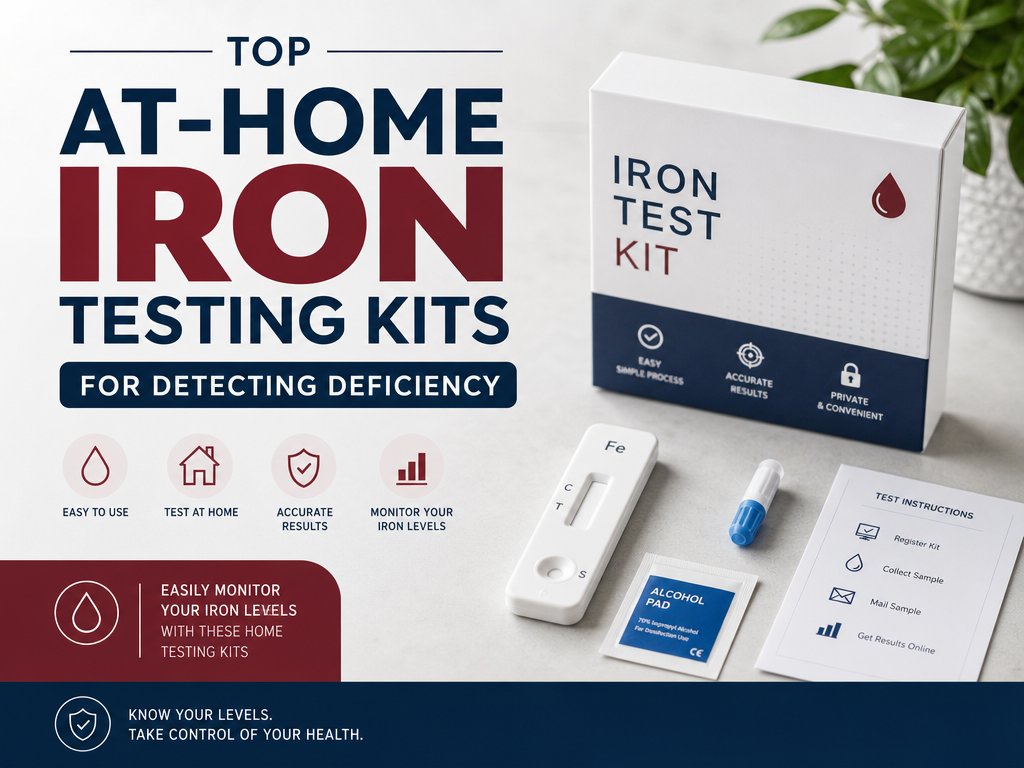
Introduction to At-Home Iron Testing Kits
At-home iron testing kits present a straightforward and cost-effective method to monitor your iron levels conveniently. The Allergy Test Iron Deficiency Test is particularly acclaimed for its reliability and ease of use, making it a popular choice for individuals looking to manage their health from home without needing frequent visits to a healthcare facility. These kits empower users by allowing them to track their health metrics in the comfort of their own homes.
Understanding Iron Deficiency and Overload
Iron is an essential mineral that plays a vital role in the body by aiding the production of hemoglobin within red blood cells. Hemoglobin is responsible for transporting oxygen to various parts of the body. Iron deficiency can result in anemia, a condition marked by fatigue and weakness, which can significantly impact the quality of life. Conversely, iron overload, also known as hemochromatosis, can lead to serious health complications if not managed correctly and promptly, as excess iron can damage vital organs like the liver and heart.
Iron’s Role in the Body
Deficiency arises when there is an inadequate supply of iron in the body, leading to potentially severe health consequences such as anemia. This deficiency often manifests through symptoms like persistent fatigue and muscle weakness, becoming more apparent during physical exertion. Understanding the importance of iron can aid in recognizing these signs early, enabling timely intervention. Healthcare professionals often stress the need for balanced iron levels to maintain optimal health and prevent such conditions from progressing.
Evaluating Symptoms and Causes
Various factors can increase the risk of developing iron deficiency, including dietary habits that do not incorporate sufficient iron-rich foods. Moreover, certain physiological conditions might impair the body’s ability to absorb iron efficiently, such as gastrointestinal disorders. For women, heavy menstrual cycles can significantly contribute to iron loss, pushing them towards deficiency. Pregnant women are also at a higher risk of deficiency due to increased iron requirements, underscoring the importance of regular iron monitoring.
Home Testing Versus Lab Testing
Although at-home testing kits provide the advantages of privacy and convenience, they are not a replacement for lab-based tests. Laboratory tests deliver a more comprehensive analysis of iron levels, which includes detailed measures like serum iron and total iron-binding capacity (TIBC), as well as assessments of transferrin saturation. Engaging in lab tests is crucial for those requiring a precise and thorough evaluation of their iron levels to decide on future steps effectively. These tests offer a more detailed overview of one’s health and can identify underlying causes of iron imbalances.
At-Home Iron Testing Kits
The Allergy Test from the UK offers a ferritin test designed for home use, requiring only a small blood sample obtained through a finger prick. This test delivers results swiftly, allowing users to address potential issues quickly. Meanwhile, Labcorp provides an option for in-person testing services, presenting detailed insights into your body’s iron reserves to offer a fuller picture of your health. At-home tests can serve as an interim check between regular lab tests, ensuring you continuously monitor iron levels without unnecessary hassle.
Understanding Test Results
After obtaining the results from an at-home or lab test, it’s crucial to consult with healthcare professionals for interpretation. They can offer advice on the next steps, including additional testing or treatment options, especially if the results reveal any abnormalities in your ferritin or overall iron levels. Healthcare providers can assist in developing a tailored plan to restore balance if needed. In particular, they can help identify lifestyle changes or potential dietary supplements required to address detected deficiencies or overabundances.
Choosing the Right Test for Your Needs
When selecting an iron test, it’s essential to prioritize those aligning with stringent medical standards and providing strong support for interpreting results. Verify regulatory compliance and assess the reputation of the test provider to ensure you receive accurate and helpful insights into your health. Factors such as customer reviews, expert recommendations, and the availability of customer support can be critical in identifying a reliable testing kit.
Limitations of At-Home Testing
It’s important to recognize that at-home tests may not capture every aspect of your health. They should not be the sole tool for managing your health. Regular communication with healthcare providers is vital to achieving the most accurate diagnosis and effective management. Discussing at-home test results with a healthcare provider can ensure any potential issues are addressed appropriately, thereby supporting an integrated approach to health management where various diagnostic tools complement each other.
Consulting Healthcare Providers
Consulting with healthcare professionals is crucial, as they can offer valuable guidance, whether prescribing dietary supplements or suggesting adjustments to your diet based on test results. For those who display severe symptoms of iron deficiency or overload, additional medical interventions, possibly including blood transfusions or chelation therapy, may be necessary to address the issue appropriately. These interactions enable comprehensive management and timely professional interventions, minimizing health risks.
Final Considerations
Prior to utilizing at-home testing kits or undertaking any dietary changes, it’s imperative to consult a medical professional. This ensures you understand your specific health needs and manage your iron levels safely. Collaborating with healthcare providers will help create a comprehensive approach to maintaining balanced iron levels, enhancing overall health and well-being. Emphasizing a partnership with healthcare professionals and utilizing at-home testing as a supplementary measure can empower you to make informed decisions about your health, ultimately contributing to a routine characterized by proactive health management and personalized care strategies.