Understanding Dermal Piercings
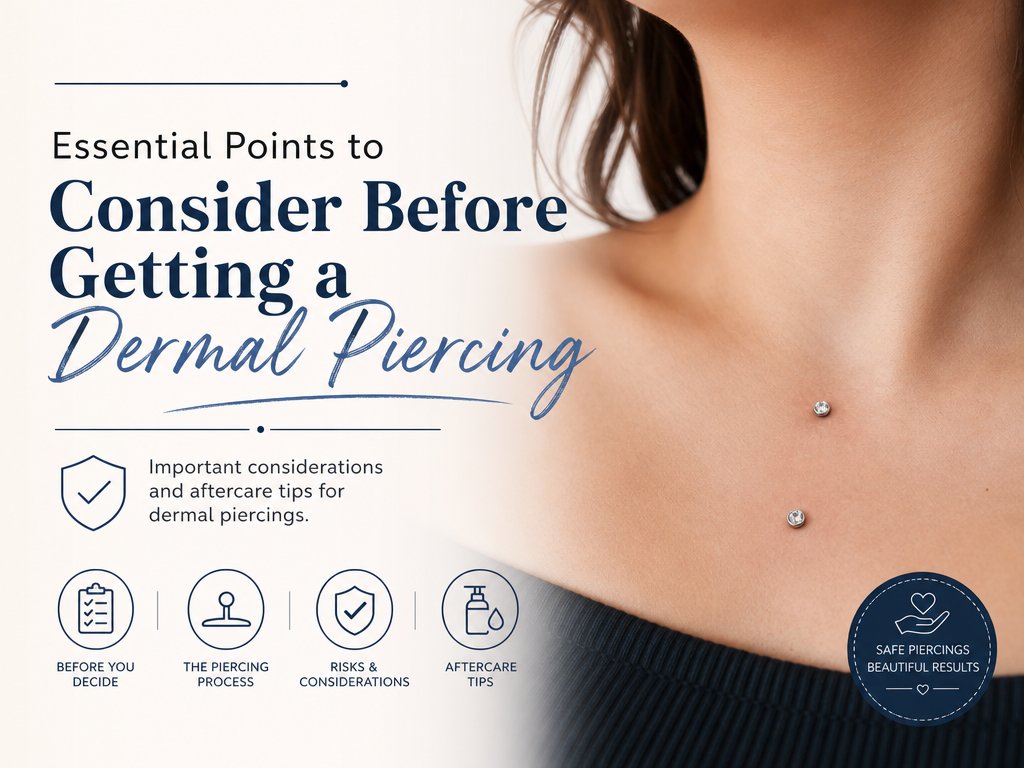
Dermal piercings, often known as single-point piercings, differ significantly from traditional piercings due to their unique method of jewelry insertion. Unlike regular piercings, which have a distinct entry and exit point for the jewelry, dermal piercings involve creating a single entry point. The jewelry is held in place by an anchor embedded in the dermis, or middle layer of the skin, allowing only the decorative part of the jewelry to be visible on the skin’s surface, creating an elegant and intriguing appearance.
The Procedure
The process of inserting a dermal piercing begins with creating a small incision or hole in the skin. This opening allows the piercer to place an anchor underneath the skin’s surface. Once the anchor is securely positioned, the decorative part of the jewelry, which resembles small beads, can be screwed onto the top of the anchor and rests visibly on the skin, creating a seamless and sophisticated effect.
Types of Dermal Piercing
Dermal piercings can be performed using either a piercing needle or a dermal punch. Each method varies slightly and may influence the choice of jewelry. While both procedures aim to place an anchor beneath the skin, they employ different techniques. The needle method generally creates a smaller hole, whereas the dermal punch removes a small circle of skin to allow the jewelry to sit properly.
Choosing the Right Location
Dermal piercings can be placed in various areas of the body, provided the skin is sufficiently flat and thick to securely hold the anchor. Popular locations for these types of piercings include:
– Neck
– Lower back
– Cheekbones
Selecting the proper location with the appropriate skin thickness ensures that the anchor remains stable, minimizing the risk of rejection or migration due to movement or skin tension.
Cost Considerations
The cost of a dermal piercing typically ranges from $70 to $100. This estimate does not include jewelry, which can add an additional $10 to $20. When getting a dermal piercing, it is customary to tip your piercer at least 20% of the total service cost as a gesture of appreciation for their expertise and care in providing such a specialized and precise service.
Aftercare and Healing
To ensure a successful dermal piercing experience, proper aftercare is crucial. The healing process generally spans one to three months, provided the piercing receives appropriate care and attention. It is normal to experience mild symptoms such as crusting and minor swelling initially, which should gradually decrease over time as the body adjusts.
Do’s and Don’ts
During the healing phase, it is important to adhere to the following guidelines:
– Clean the affected area regularly using a saline solution.
– Keep the area dry and avoid submerging it in water, such as in pools or baths.
Avoid the following:
– Touching or twisting the jewelry excessively
– Applying undue pressure on the pierced area
– Applying topical ointments or creams, which can trap bacteria
Risks and Signs of Infection
Despite proper care, dermal piercings come with potential risks, such as infection and rejection. If you observe unusual symptoms, it is crucial to seek professional advice. Look out for signs like:
– Yellow or green discharge
– Increased warmth or redness around the piercing site
– Persistent or worsening swelling
– Pain that increases instead of gradually decreasing
Rejection occurs when the skin gradually pushes the jewelry out, and regular check-ins with your piercer can help prevent complications through early detection and intervention, allowing for prompt action to be taken if the piercing is not healing as expected.
Changing Jewelry
Once the dermal piercing has healed, usually after about three months, it is possible to change the jewelry tops. For the best results and to avoid accidentally dislodging the anchor, it is advisable to have any jewelry changes performed by a professional piercer who can ensure safe handling. They can also advise on the type of jewelry best suited to your skin type and lifestyle needs.
Considering Removal
If you decide to remove your dermal piercing, professional removal is recommended to avoid any damage or infection. Your piercer can provide referrals or advice on removal options, ensuring the process is carried out safely and effectively, thus preventing complications. Healing the area post-removal is crucial, as improper handling could lead to unwanted scar tissue or prolonged irritation.
In summary, before getting a dermal piercing, it is important to consult with a reputable piercer. They can provide detailed advice on the procedure, aftercare, and suitable practices, as well as assess if your chosen area is appropriate for piercing. Their expertise ensures that you make informed decisions, helping to achieve a successful and aesthetically pleasing outcome. Engaging a professional at each step—from the initial consultation to aftercare and eventual removal—ensures the health and appearance of your skin remain in optimal condition throughout your experiences with dermal piercings.