Introduction to Erectile Dysfunction (ED)
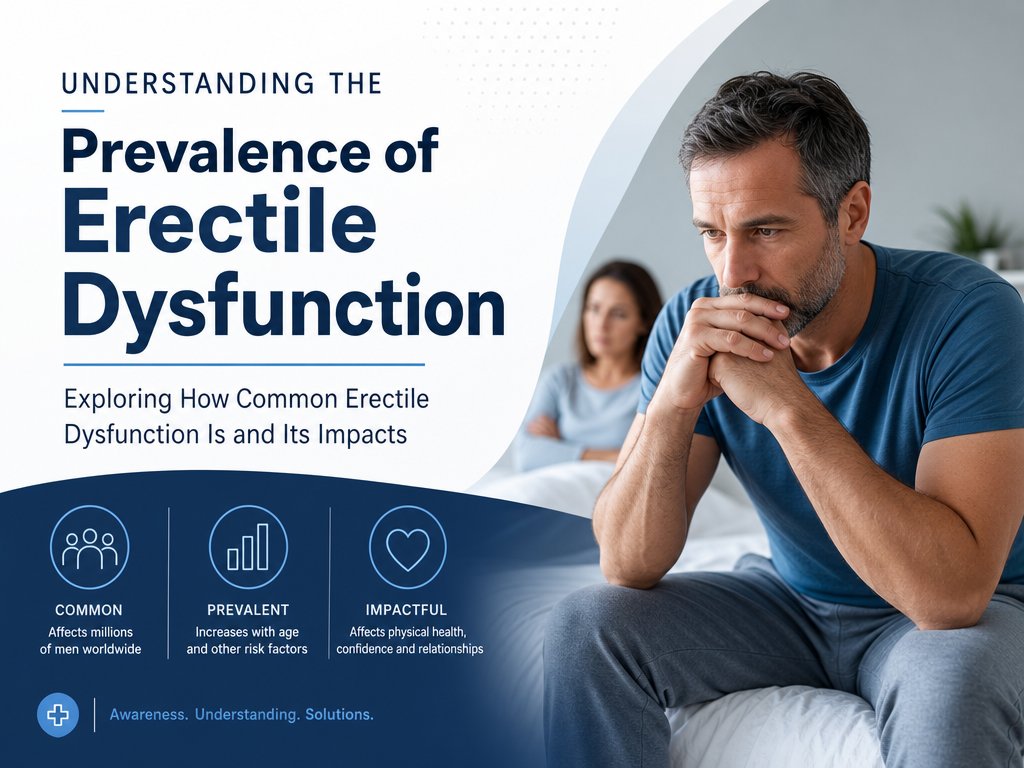
Bezzy communities offer pathways for individuals to connect with others managing chronic conditions, including those managing Erectile Dysfunction (ED). Experts largely agree that ED is a prevalent issue impacting many individuals. It stands as the most commonly reported penile sexual dysfunction, though variations in data collection often complicate obtaining precise figures.
Prevalence and Studies
A comprehensive review conducted in 2018 suggested that approximately one-third of those with penises experience ED. In contrast, a 2019 review indicated that global occurrences varied between 3% to 76.5%, showcasing the wide-ranging estimates and nuances involved in understanding its prevalence. The Massachusetts Male Aging Study, a frequently referenced source, though conducted in 1994, highlighted that about 52% of individuals with penises encounter some form of ED during their lifetime. This research also demonstrated an escalation in ED rates from about 5% to 15% among individuals aged 40 to 70, yet the condition can also affect younger people, with a 2013 study indicating a 26% incidence among those under 40.
Understanding ED
Erectile Dysfunction encompasses difficulties in achieving or maintaining an erection. These challenges might manifest as delays in achieving an erection, reduced duration of an erection once achieved, or difficulties sustaining an erection. While episodic ED is normal and can happen to anyone occasionally, persistent issues could indicate underlying health problems that might need medical attention.
When sexually stimulated, penile muscles relax, accelerating blood flow into the penis, particularly into two spongy chambers called corpora cavernosa. Disruptions in this blood flow mechanism can lead to ED, affecting one’s ability to maintain an erection suitable for sexual activity and impacting sexual health.
Risk Factors
ED occurrences rise with aging but are not confined to older demographics. Certain health conditions, such as diabetes, cardiovascular diseases, and obesity, are strongly linked to an increased risk of ED. Lifestyle habits, including smoking or excessive alcohol consumption, can also elevate the risk further. Additionally, psychological issues like stress, anxiety, and depression may exacerbate the situation, influencing both the physical and emotional aspects of erectile function and an individual’s overall well-being.
Treatment and Management
Addressing ED often involves identifying and targeting the underlying cause of the issue. Psychological factors such as anxiety or stress might be mitigated through therapy or counseling sessions, while lifestyle modifications like regular exercise and a balanced diet could reduce symptoms and improve overall health. Regular aerobic activity has shown potential benefits, decreasing ED symptoms, with studies suggesting engagement in at least 160 minutes of aerobic exercises weekly over six months. Furthermore, lifestyle choices such as quitting smoking and reducing alcohol consumption have been found to positively impact erectile health.
Medications, including Sildenafil (Viagra), Stendra, and Levitra, facilitate increased penile blood flow and are commonly prescribed to help achieve and maintain erections. Additionally, testosterone treatment might be recommended if low testosterone levels are identified as contributing to the symptoms, helping to restore hormonal balance effectively.
For mild ED, mechanical aids such as a penis pump might be effective, helping create an erection by drawing blood into the penis through vacuum pressure. In contrast, severe cases might turn to surgical interventions with penile prostheses, which involve inflatable rods that simulate erection, offering a more permanent solution for those who haven’t found relief with other treatments. Advances in medical technology continue to improve outcomes for those undergoing such procedures.
Conclusion
While occasional erectile difficulty is natural, recurring issues should prompt consultation with a healthcare provider. Though ED is not life-threatening, its association with potential health issues underscores the importance of medical guidance and support. Regular medical consultations may uncover root causes and outline effective treatment plans, addressing both the physical and psychological components. Proactive management and treatment could significantly improve quality of life and interpersonal relationships, facilitating a healthier lifestyle and fostering better mental well-being. The journey to understanding and addressing ED involves recognizing the interplay between physical health, emotional wellness, and lifestyle choices, encouraging broader awareness and effective interventions.