Understanding Healthcare Costs Without Insurance
Finding affordable healthcare without insurance might seem challenging, but there are numerous resources available to assist with this issue. While healthcare is expensive, particularly for the uninsured, programs are in place to help minimize these costs effectively. Awareness of these resources can make a significant difference in accessing necessary medical care without imposing a financial burden on individuals or families. Understanding these options is crucial for making informed decisions about health and financial well-being.
Emergency and Routine Medical Care
Emergency Room Services
In emergencies, U.S. hospital emergency rooms provide treatment regardless of insurance status. Emergency care prioritizes addressing immediate health concerns and stabilizing patients. It’s essential to understand that while immediate emergency treatment is provided, the costs can be significant, and individuals may face substantial bills post-treatment. Therefore, it is important for individuals to be aware of their financial responsibility even in emergencies, and consider other affordable care sources when appropriate.
Community Health Centers
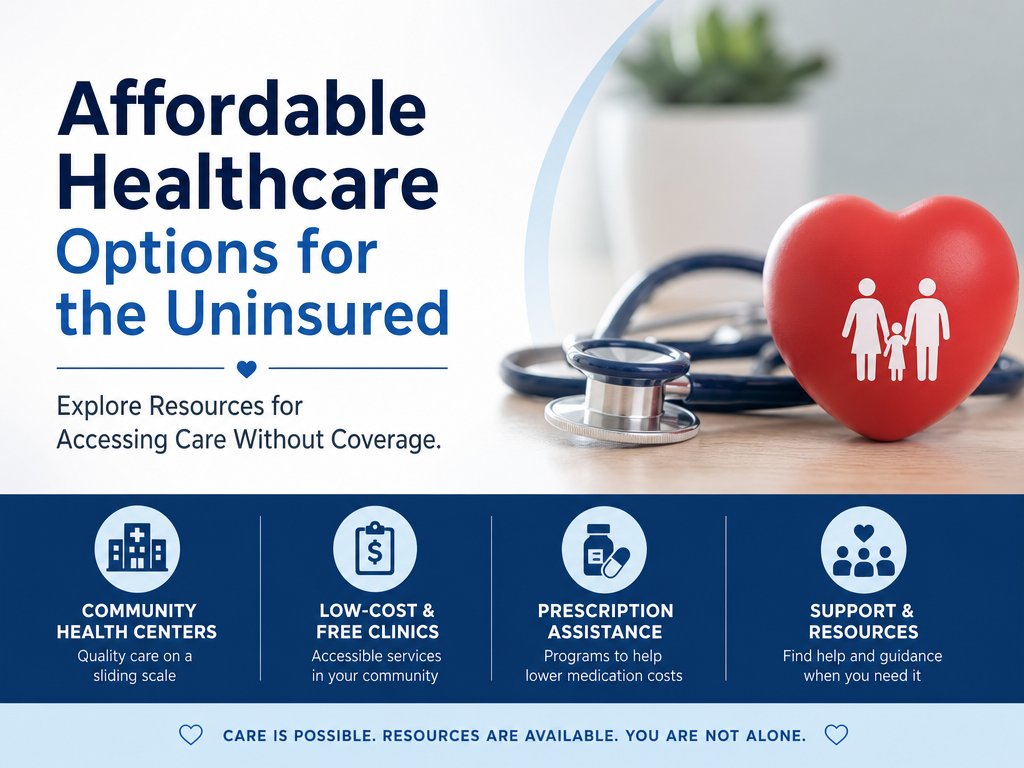
Community health centers offer affordable care on a sliding fee scale. These nonprofit clinics extend a range of services including general health checks and sometimes dental care. Fees are primarily based on income, ensuring low-cost access for those who qualify. Additionally, they often provide health education and preventive services to promote long-term wellness in local communities, making them a valuable resource for uninsured individuals seeking regular care.
Local Health Departments
State and county health departments may offer free or reduced-cost services for eligible residents, especially preventive care like vaccines and screenings. These departments play a crucial role in public health by offering immunization programs, maternal and child health services, disease control initiatives, and often act as a valuable resource for community health education. Availability and specific services may vary by location, so checking with local departments is recommended to ensure access to these essential resources.
Alternative Care Options
Urgent Care and Walk-In Clinics
These facilities often provide lower-cost care and do not require appointments. Checking online or calling in advance can reveal service costs and potential discounts for uninsured patients. They serve as an alternative to emergency room visits for non-life-threatening injuries and illnesses, which can be a cost-effective solution for many seeking immediate care without insurance. Exploring these options allows for more manageable healthcare expenses.
Pharmacy-Based Clinics
Major pharmacy chains frequently host clinics offering preventive services at reduced rates or no cost. These clinics are convenient for minor ailments like colds, infections, or rashes. It’s advisable to consult local pharmacies about upcoming health clinics, as these community-based services can offer early detection and preventive care, reducing the need for more complex medical interventions later. Patients can benefit from their accessibility and affordability, ensuring timely medical attention.
Teaching Hospitals
Teaching hospitals might offer reduced-rate services, aiding both medical students’ education and patients’ access to care. These hospitals are affiliated with universities and are often involved in cutting-edge medical research, providing innovative treatments and access to clinical trials that might not be available elsewhere. Patients benefit from the latest medical knowledge and treatment methods while medical students and residents gain invaluable hands-on experience, facilitating better healthcare outcomes and future advancements.
Financial Assistance and Insurance Options
Charity Care and Medicaid
Some states have charity care programs offering free or reduced-cost care. Medicaid, a federal program, provides healthcare for those meeting certain income criteria, with state-specific guidelines. Applying for these programs can be an essential step in receiving affordable healthcare for low-income individuals and families. Understanding eligibility criteria and application processes can open the door to essential healthcare services at minimal or no cost. Assistance from social workers or financial counselors in medical facilities can be helpful when navigating these resources.
Children’s Health Insurance Program (CHIP)
CHIP provides healthcare coverage for children from low-income families, with eligibility and benefits varying by state. This program ensures that children have access to comprehensive healthcare services, including routine checkups, immunizations, doctor visits, prescriptions, dental and vision care, and emergency services. Ensuring that children receive early and consistent healthcare is vital for their development and long-term health outcomes, protecting future generations from preventable illnesses and ensuring a healthier population.
Prescription Accessibility
Several tools and programs can help lower prescription costs. Drug manufacturers often offer affordability programs, while platforms like GoodRx assist in finding competitive prices. Patients are encouraged to discuss generic alternatives with healthcare providers, as these can provide significant cost savings. It’s also beneficial to compare prices at different pharmacies, as costs can vary widely. Additionally, exploring mail-order pharmacy services or patient assistance programs can further reduce expenses on critical medications, ensuring treatment adherence and financial relief.
Supportive Organizations
Nonprofit organizations can assist with medical bill negotiations and offer grants for medical treatment costs. Programs like the PAN Foundation and HealthWell Foundation support those with chronic conditions. These organizations provide financial aid to help cover the out-of-pocket costs of essential medications and treatments, thus alleviating some of the financial pressures faced by patients managing long-term health conditions. Connecting with social service agencies can help in finding these types of supportive resources, ensuring better access to necessary healthcare.
Broader Strategies for Reducing Healthcare Costs
To manage healthcare expenses, uninsured individuals might explore telehealth services or urgent care centers. Many programs are state-specific and might require proof of income. Telehealth offers an innovative way to access healthcare services remotely, which can be a more affordable alternative to traditional office visits. Beyond individual-level strategies, broader reforms in healthcare policy aim to better integrate care services and reduce overall costs through preventative health measures and efficient management of resources. This holistic approach supports a more sustainable healthcare system.
Consider inquiring about insurance plans through the Health Insurance Marketplace for more comprehensive coverage options. The Marketplace offers a range of plans that can be tailored to individual needs and financial situations, potentially providing subsidies based on income, making healthcare more attainable for many people. Engaging with these services can empower individuals to effectively manage their health and financial well-being. Additionally, exploring community-based initiatives and advocacy for better healthcare policies are crucial in fostering environments where affordable healthcare is more accessible universally, contributing to healthier communities overall.