Introduction
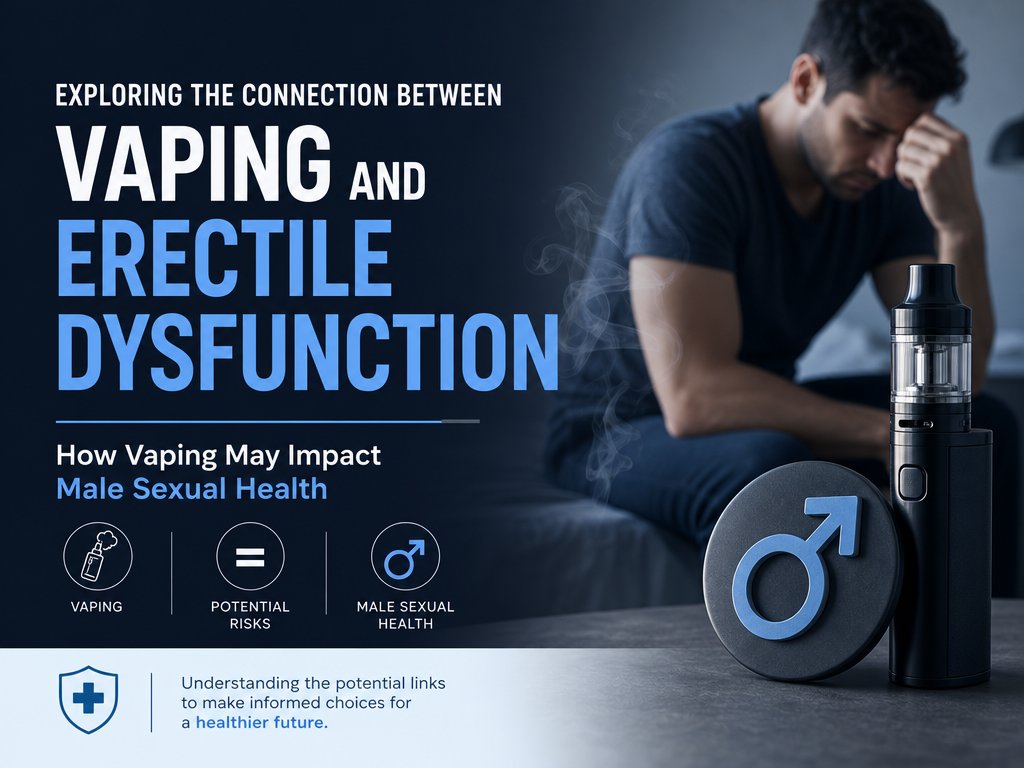
There is ongoing debate about the effects of vaping, especially regarding its potential link to erectile dysfunction (ED). This article explores these possible connections, reviewing existing research and expert opinions. Understanding the link between vaping and ED is crucial for making informed decisions about personal health, particularly as vaping becomes more prevalent among younger demographics.
The Potential Risks of Vaping
While smoking traditional cigarettes is well-known for increasing the risk of ED, there is speculation that vaping could have similar effects. The fluid used in vapes may contain nicotine and other substances, which can be detrimental to blood vessel health, potentially leading to ED. Often marketed as a safer alternative, vaping does not eliminate the inherent risks posed by nicotine and other additives that can compromise sexual health.
Nicotine’s Role
Nicotine, a common component of both traditional cigarettes and many vaping fluids, is a significant concern. It can restrict blood flow by damaging blood vessels, a crucial factor in the onset of ED. This substance has vasoactive effects that can alter cardiovascular functions significantly, reducing the body’s ability to sustain the necessary physiological processes for an erection.
Research Findings
A 2022 study found that e-cigarette users were 2.4 times more likely to experience ED than non-users. This suggests a potential correlation between vaping and the occurrence of ED symptoms, indicating the necessity for further investigation into this relationship. Such findings underscore the importance of considering vaping’s long-term implications on sexual function, alongside its broader health impacts.
Understanding the Mechanism
Vaping may damage the endothelial cells lining blood vessels, affecting nitric oxide (NO) levels essential for an erection. This oxidative stress caused by vapes can mirror the vascular damage found in traditional smokers, making it a concern for long-term health. The depletion of NO disrupts the body’s ability to maintain blood vessel flexibility, which is critical for achieving erections.
Health Professional Advice
Due to the complexities of ED, individuals are encouraged to consult healthcare providers about their vaping habits and other lifestyle factors. This discussion might lead to recommendations for altering habits or exploring other treatment options, addressing personal risk factors associated with ED. Experts may suggest a comprehensive health evaluation to identify underlying conditions contributing to ED, potentially overlooked in routine check-ups.
Treatment Options
For those affected by ED, various treatments include medication, lifestyle changes, and in some cases, surgical interventions. Quitting smoking or vaping is often advised as this can improve or reverse ED to some extent. Engaging in regular exercise, maintaining a healthy diet, and managing stress are also vital components of managing ED. These lifestyle changes not only enhance erectile function but also contribute to overall well-being.
Medications and Other Therapies
ED medications can aid where lifestyle changes are insufficient. These medications work by enhancing blood flow to the penis, helping achieve and maintain an erection. Moreover, injectable solutions and other therapies might be recommended based on individual cases. However, interactions with other drugs necessitate medical consultation, emphasizing the importance of personalized treatment plans that consider all aspects of one’s health.
The Need for Further Research
The relative novelty of vaping means that large-scale, long-term studies are still required to draw definitive conclusions. Meanwhile, awareness of potential issues and careful management of health factors remain crucial for individuals concerned about the effects of vaping. Further research could provide insights into how varying levels of nicotine and other chemicals in vapors specifically affect erectile function. Notably, understanding the broader socio-economic impacts of vaping on public health can guide better regulatory and health advocacy strategies.
Conclusion
While vaping is sometimes perceived as less harmful than smoking, it still poses risks to men’s sexual health. Ongoing research will hopefully provide clearer guidance, but caution and informed decision-making are advised. Men considering vaping as a safer alternative to smoking should weigh potential health impacts, including the risk of ED, when making lifestyle choices. Ultimately, maintaining an open dialogue with healthcare providers about vaping and understanding its potential effects is vital for mitigating risks and promoting long-term sexual health.