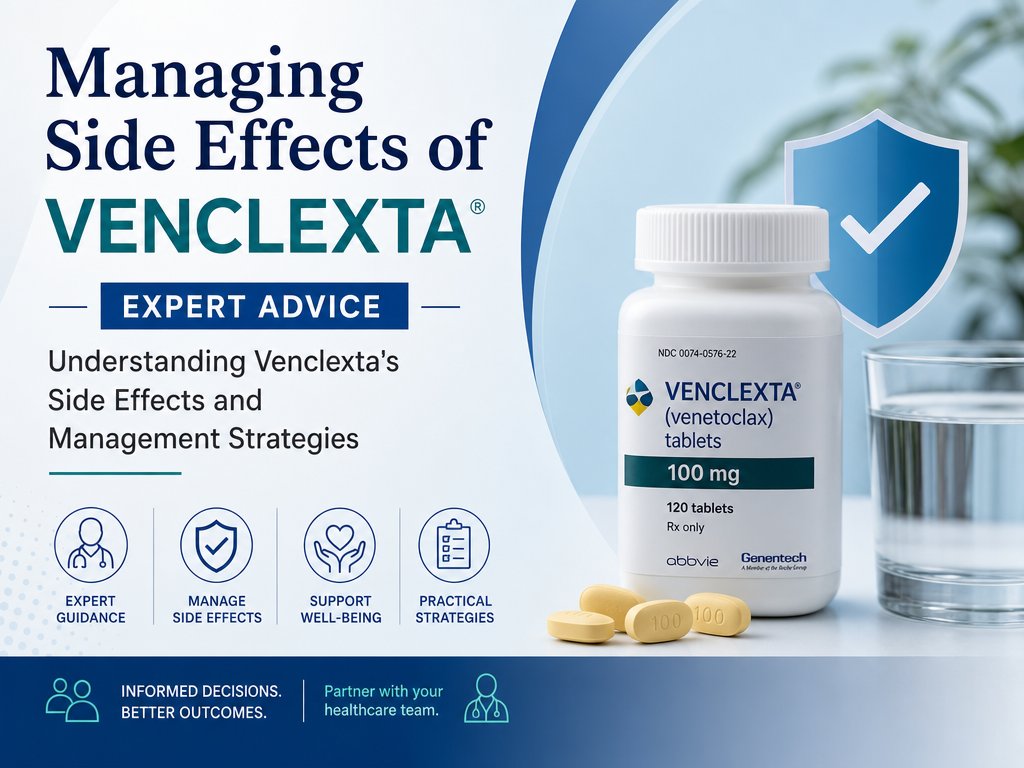
Introduction to Venclexta
Venclexta (venetoclax) is a prescription medication widely used in the treatment of various types of cancers, notably acute myeloid leukemia (AML) and chronic lymphocytic leukemia (CLL). This drug functions by targeting and inhibiting a specific protein in cancer cells, which helps induce cell death, potentially bringing the disease under better control. While Venclexta can be highly effective, it is accompanied by a spectrum of possible side effects. Understanding these side effects and learning how to manage them is essential for patients who are undergoing treatment, as it can significantly enhance their quality of life during therapy.
Common Side Effects
Digestive Issues
A common side effect of Venclexta is nausea, which may sometimes escalate to vomiting, increasing the risk of dehydration. Patients are strongly advised to maintain good hydration by consuming plenty of fluids daily. If nausea becomes severe or persistent, medical intervention might be necessary. Healthcare providers may recommend medications like ondansetron to manage the symptoms effectively. Keeping a diet rich in bland foods and small, frequent meals can also help mitigate these digestive discomforts.
Hematological Concerns
Another significant side effect that patients may encounter while taking Venclexta is the alteration in blood cell levels. Neutropenia (a low level of white blood cells), thrombocytopenia (reduced platelet count), and anemia (decreased red blood cells) are all potential risks that can arise. These conditions may increase the patient’s vulnerability to infections and cause symptoms such as fatigue, unusual bruising, or bleeding. Regular monitoring through blood tests is crucial in managing these risks and helping doctors adjust treatment accordingly.
Allergic Reactions
Although it is not very common, a subset of individuals may experience allergic reactions to Venclexta. These reactions can vary significantly in severity, with symptoms ranging from mild skin rashes to more severe issues like swelling of the throat, lips, or difficulty breathing. Immediate medical attention is essential in cases of severe allergic reactions, as they can be life-threatening without prompt intervention. Understanding the signs of an allergy and being vigilant about any changes can make a significant difference in ensuring timely help.
Serious Side Effects
In addition to the common side effects, serious potential side effects include the risk of fluid buildup, also known as edema. This condition can cause swelling primarily in the legs, arms, and facial areas but may affect other regions of the body as well. To manage edema, patients are encouraged to reduce sodium intake, stay physically active, and apply cold compresses to affected areas to help minimize swelling. In more severe instances, healthcare providers might prescribe diuretics to help manage fluid retention more effectively.
Other serious complications might include tumor lysis syndrome, a condition arising when cancer cells break down rapidly, leading to an imbalance of electrolytes and other chemicals in the blood. This situation requires immediate attention and might necessitate hospitalization for monitoring and treatment. Patients are usually assessed for their risk of developing this syndrome before beginning treatment with Venclexta, and preemptive measures are taken when necessary.
Managing Venclexta Treatment
Managing the side effects of Venclexta involves a collaborative approach between patients and healthcare professionals. Regular consultations with healthcare providers are important to discuss any emerging side effects and to adjust treatments as necessary. A comprehensive medical history discussion is crucial before initiating Venclexta therapy, enabling healthcare providers to design a more personalized and effective treatment plan.
Patients’ health and safety remain the highest priority, which is why it is critical to report any changes in symptoms to a healthcare professional without delay. In some cases, adjustments to the treatment, including potential dosage changes or temporary pauses in therapy, may be required depending on the patient’s response to the medication. Continuous dialogue with healthcare providers can ensure that patients receive the full benefit of Venclexta while minimizing potential risks.
The inclusion of family and caregivers in the management process can also be helpful. By involving them in discussions with healthcare providers, patients can benefit from additional support and advocacy, thereby enhancing treatment adherence and potentially improving outcomes. Empowering patients through education about their treatment and the importance of monitoring side effects can foster a more proactive approach to healthcare.
Disclaimer: This article is intended for informational purposes only. It is not a substitute for professional medical advice, diagnosis, or treatment. Always seek the advice of your physician or other qualified health provider with any questions you may have regarding a medical condition or treatment. Never disregard professional medical advice or delay in seeking it because of something you have read in this article.