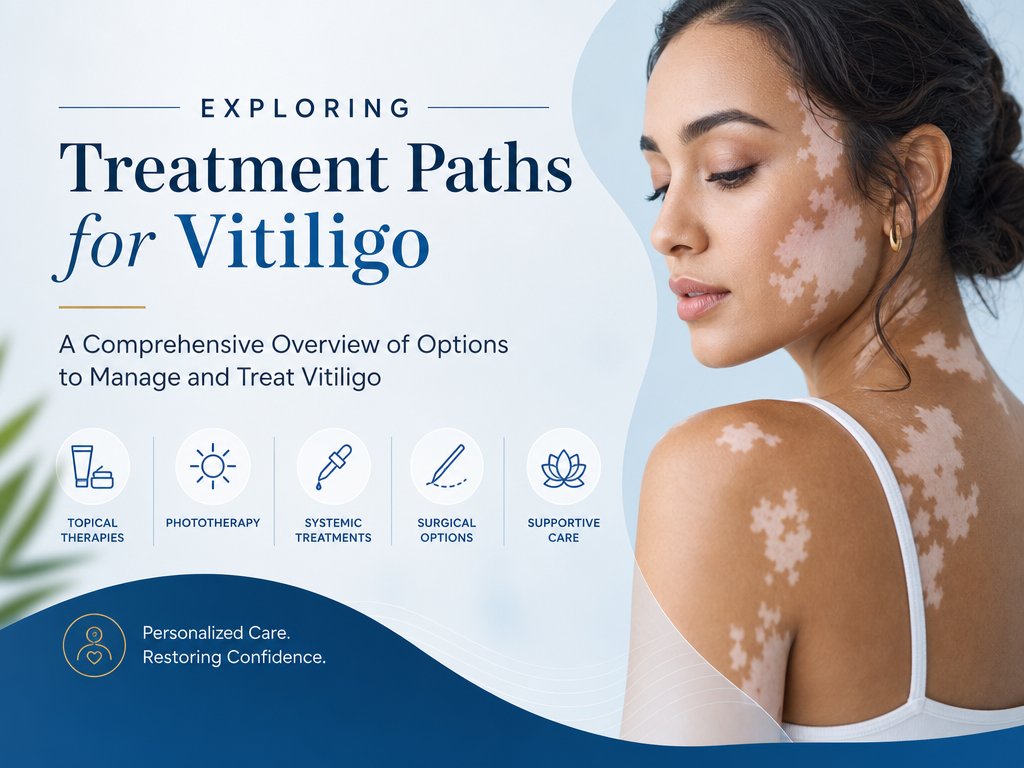
Understanding Vitiligo and Its Treatment
Vitiligo is a chronic condition resulting in the loss of skin pigment, distinctive for its milky-white patches found across different body areas. While no definitive cure exists, numerous treatment strategies can help stop pigment loss and, in certain cases, restore skin color. This guide delves into the various treatments available and considerations for individuals managing vitiligo.
Light Therapy and Medications
Light therapy and anti-inflammatory medications are common treatment methods. Light therapy involves controlled exposure to ultraviolet (UV) light, targeting the stimulation of skin pigmentation while also suppressing aberrant immune reactions. This procedure is usually conducted at a dermatologist’s office with specialized equipment, although at-home options are available under medical supervision. Medications like corticosteroids and calcineurin inhibitors are topical solutions aimed at reducing inflammation and modifying immune responses. These medications can require weeks or even months to demonstrate noticeable results and might be prescribed for both adults and children with vitiligo, based on the severity and location of the affected areas.
Surgical and Transplant Options
For more stable vitiligo cases where depigmentation has not progressed for at least 6 to 12 months, surgical approaches like skin and blister grafting, as well as cell transplants, are viable options. Skin grafting involves transferring pigmented skin to depigmented areas, with the possibility of a cobblestone pattern or unsuccessful pigment retention if not carefully performed. Blister grafting transfers blistered skin formed via suction or cryotherapy and can be less invasive than traditional grafting. Cell transplants involve introducing healthy skin cells to affected areas from non-affected ones, encouraging repigmentation, but these techniques require specialized healthcare providers and remain relatively new in practice.
Cosmetic and Alternative Approaches
Micropigmentation, or tattooing, is a cosmetic procedure that introduces new pigment into blotchy skin, maintaining color consistency through time with scheduled touch-ups. This method can be particularly effective for small areas or those difficult to treat through other means. Depigmentation, a less common option, involves lightening normal skin to match the depigmented spots and serves as a permanent solution for extensive patches. Natural treatments, still the subject of ongoing research, may offer assistance, particularly in earlier stages of vitiligo. Some individuals explore herbal remedies and dietary changes, although these should be approached cautiously and discussed with a dermatologist. Additionally, lip-specific treatments include laser therapy to remove spots, special cosmetics designed to blend pigmentation, and protective balms to shield sensitive skin from sun exposure.
Living with Vitiligo
Living with vitiligo can significantly impact self-esteem and social interactions. Public figures like model Winnie Harlow have advocated for natural skin representation and have contributed to broader acceptance and understanding of the condition in society. While treatments vary in effectiveness from person to person, a dermatologist can provide invaluable assistance in managing new patch formations and maintaining ongoing skin care routines. Emotional and physical effects, such as increased sensitivity to sun exposure and potential skin color changes due to treatments, necessitate comprehensive care plans tailored to individual needs.
Moreover, finding emotional support through counseling or support groups can also be a key component of living with vitiligo. Psychological resources can help individuals process any emotional or psychological challenges associated with the condition, such as anxiety, depression, or social stigma. Online communities and local support groups may offer platforms for individuals with vitiligo to share their experiences, coping strategies, and success stories. Family and friends can play a crucial role in offering encouragement and understanding, helping those with vitiligo adapt more readily to their unique appearances.
In conclusion, tailored management of vitiligo can mitigate its progression and enhance self-image. However, it is important to recognize that new patches may still form even with diligent treatment. By combining medical treatments with emotional support, individuals with vitiligo can achieve a better quality of life and embrace their unique appearance. Access to accurate information and open communication with healthcare providers can empower those with vitiligo to make informed decisions regarding their treatment options and overall health.
Vitiligo’s unpredictability can pose challenges for those affected, often requiring continuous adaptation to new changes in skin appearance. Vigilant self-examination and regular dermatological consultations are essential for monitoring any changes or developments in the condition. Keeping abreast of the latest research and advancements in vitiligo treatment can also be beneficial, offering hope and new solutions over time.
Education and awareness are crucial not only for individuals with vitiligo but also for the wider community. Misunderstandings about the condition can lead to stigmatization and misconceptions, adding to the emotional burden of those living with vitiligo. Public awareness campaigns and educational initiatives can play a significant role in dispelling myths and promoting acceptance, creating a more inclusive environment for everyone.
Additionally, embracing a holistic approach to health, including maintaining a balanced diet, regular exercise, and stress management, can contribute positively to the well-being of individuals with vitiligo. While these lifestyle factors may not directly influence skin pigmentation, they support overall health and resilience, helping individuals face the challenges associated with the condition with greater strength and positivity.
The journey with vitiligo is a personal one, marked by its set of challenges and triumphs. Individuals with vitiligo should remember that they are not alone and that support is available through various channels. By fostering a supportive environment and encouraging acceptance and understanding, those with vitiligo can continue to thrive and lead fulfilling lives, regardless of their skin’s appearance.