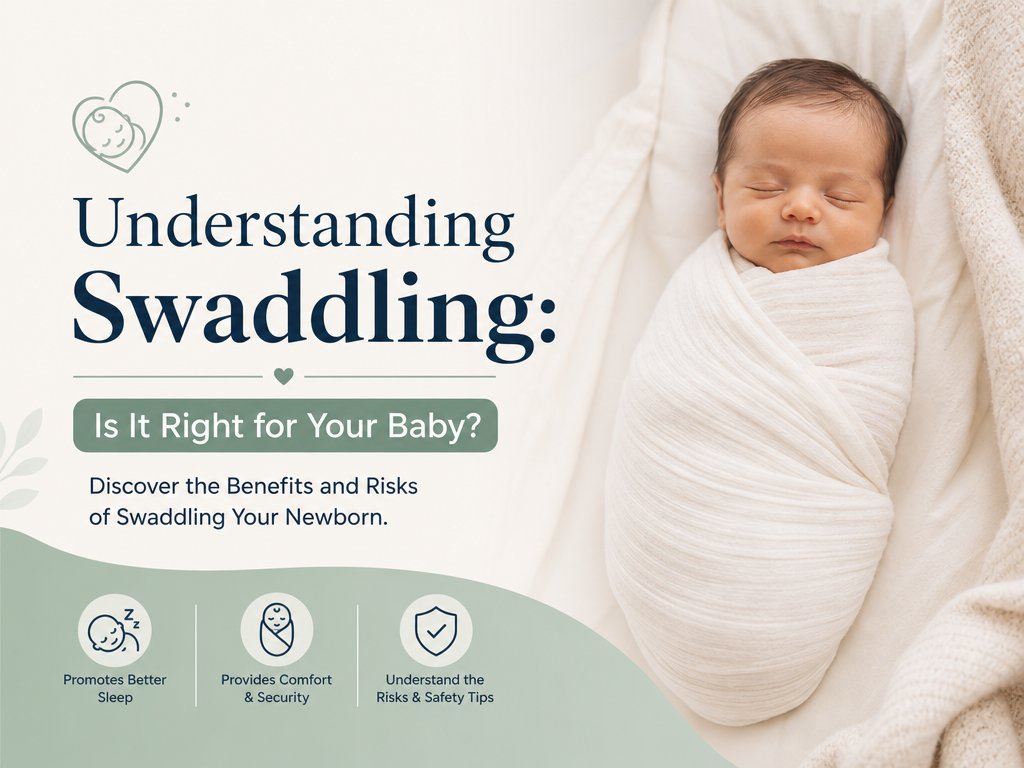
The Art of Swaddling
Swaddling, a practice with ancient origins, continues to be a favored approach among modern parents who are keen on establishing improved sleep habits for their newborns. By enveloping infants in cozy blankets, parents strive to emulate the nurturing warmth and safeness of the womb. It’s remarkable yet true that nearly 90% of newborns in North America experience swaddling in their initial weeks of life. This widespread practice highlights its perceived benefits and the trust parents place in it for fostering a secure and serene environment for their babies to sleep in. Swaddling is seen not only as a way to soothe a newborn but also as a method to encourage healthier sleep patterns, which are critical in the early development stages. By providing an environment that mimics the comforting confines of the womb, swaddling can ease infants into a more regular sleep cycle, promoting both physical and emotional well-being.
Why Swaddle?
Swaddling transcends the notion of simply creating an adorable “baby burrito,” serving a vital functional purpose. The snug wrap acts as a “motor restraint,” effectively curtailing the infant’s spontaneous movements and thereby decreasing the likelihood of being startled awake by involuntary reflexes. These reflexes, such as the startle or Moro reflex, are common in newborns and can be disruptive to sleep, thus making swaddling an attractive option for new parents who are eager to maximize sleep duration for themselves and their little ones. By providing a sense of security reminiscent of the womb, swaddling helps babies sleep more soundly, assisting in the establishment of a bedtime routine that is both peaceful and predictable. Additionally, when properly implemented, swaddling can help support a baby’s physiological development by promoting consistent sleep, which is linked to better cognitive and emotional regulation growth.
Safety and Guidelines
While swaddling offers numerous benefits, it is essential to implement it correctly to avoid potential risks. Incorrect swaddling techniques can lead to complications such as hip dysplasia and, albeit rarely, may increase the risk of sudden infant death syndrome (SIDS). To mitigate these risks, it is important to ensure that your baby’s hips can move freely, and to discontinue swaddling as soon as your baby shows signs of rolling over. Adhering to recommended safety guidelines can make swaddling a reassuring practice rather than a hazardous one. Parents should be aware of the signs that indicate a transition away from swaddling, ensuring their child’s development is on track while prioritizing safety. Understanding the balance between snugness and restriction is crucial, and caregivers should educate themselves on proper swaddling techniques or consult healthcare professionals for guidance. This not only ensures the child’s immediate safety but also encourages a pattern of safe sleep that can last throughout the early years.
Considerations for Effective Swaddling
Selecting the appropriate fabric and style of swaddle is a crucial factor. Choices range from flannel and cotton to innovative swaddle sacks designed for ease of use and versatility. Always take into account your baby’s comfort alongside the seasonal climate when choosing swaddling materials. The selection of breathable fabrics helps in maintaining the ideal body temperature, preventing overheating during warmer months, and ensuring proper warmth during cooler times. Moreover, exploring various styles such as traditional swaddle blankets, Velcro fastened sacks, and zip-up wraps might give parents a wider array of options to find what’s most suitable for their infant. Learning how to correctly wrap your baby can bring about peace of mind and a sense of achievement, knowing that your bundle of joy is both comfortable and secure. Furthermore, as trends evolve, the market continues to offer a variety of stylish yet practical designs that cater to personalized needs, enhancing both aesthetic appeal and functional excellence.
When to Cease Swaddling
Typically, it is advised to stop swaddling once your baby starts to roll independently onto their side or stomach. The American Academy of Pediatrics recommends ceasing swaddling by two months of age, allowing enough room for the baby’s advancement through key developmental milestones, thereby ensuring safety. Ceasing swaddling at the appropriate time also assists in fostering baby’s ability to self-soothe and aids in developing independent sleep habits. Listening to your baby’s cues and consulting with healthcare professionals can work wonders in creating a safe sleeping environment tailored to your child’s evolving needs. The transition away from swaddling should be gradual, and parents might consider alternative sleep solutions, such as sleep sacks or wearable blankets, to maintain warmth and comfort without the restrictions of swaddling.
Promoting Safe Sleep
In addition to mastering the technique of swaddling, it’s imperative to consider the broader context of promoting safe sleep. Always place your baby on their back to ensure a secure sleep position and take measures to reduce exposure to smoke and other environmental hazards. Adhering to comprehensive safe sleep guidelines can significantly diminish the risk of sleep-related infant fatalities. It is also beneficial to foster an understanding of how factors such as room temperature, crib safety, and baby monitoring play into ensuring a secure sleeping environment. Parents can embrace a holistic approach to safe sleeping by being informed about how all these elements interconnect and influence their child’s sleep quality and safety. Proactive measures such as keeping the crib free from loose bedding or toys, ensuring a firm mattress, and maintaining an optimal sleeping temperature contribute to creating a risk-free environment. Collaborative awareness initiatives between parents and healthcare professionals can further enhance the safety and wellness of babies across communities.
Swaddling, when practiced with safety as a priority, becomes a comforting tradition benefiting both infants and caregivers by encouraging longer, more restful periods of sleep. As with all parenting practices, engaging in dialogue with your pediatrician is recommended to adapt swaddling techniques to best meet your baby’s unique needs and ensure a safe, soothing sleep experience. The practice of swaddling, steeped in tradition yet constantly evolving with modern innovations, remains an essential skill for new parents eager to provide their newborns with a loving start to their sleep journey. By continuously evaluating and adapting sleep practices, parents can play an active role in nurturing a positive sleep culture from infancy, laying the foundation for a lifetime of healthy sleep habits.