Impact of Alcohol on Blood Pressure
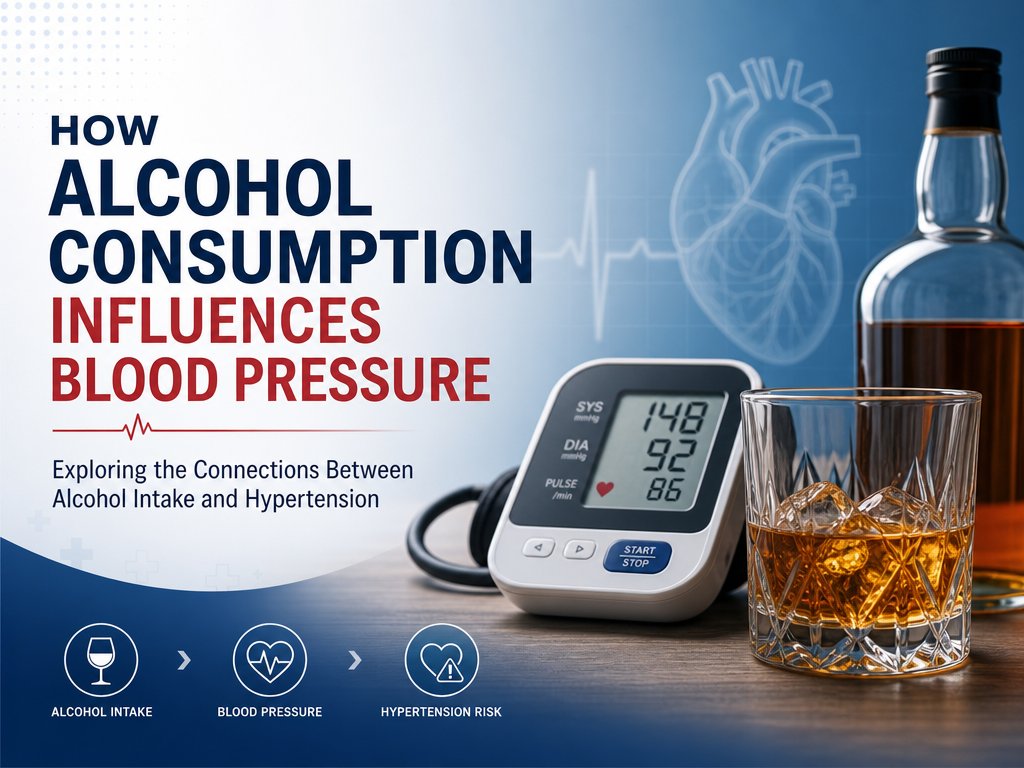
Regular alcohol consumption can directly contribute to hypertension, a medical condition where blood pressure remains consistently higher than normal levels. While consuming small amounts of alcohol might not significantly affect blood pressure for many individuals, consuming larger quantities is well-documented to cause an unwanted increase. Understanding how different levels of alcohol intake affect overall cardiovascular health is crucial for maintaining a healthy lifestyle, as well as for preventing long-term health issues that might arise from such practices.
Research Insights
In a comprehensive and detailed 2020 study, researchers meticulously evaluated the effects of alcohol consumed by healthy adults within a six-hour period. Their findings suggested that a minimal intake of 14 grams typically does not impact blood pressure; however, moderate consumption between 14 to 28 grams might indeed reduce it slightly, whereas intakes of 30 grams or more can elevate blood pressure levels significantly. This shows the varied effects of alcohol on blood pressure in relation to the amount consumed, emphasizing caution in usage.
A noticeable increase in heart rate is often observed regardless of the amount of alcohol consumed during the same six-hour window. Notably, a 2021 critical review highlighted the observation that alcohol might impact women and Black individuals more significantly than some other groups. This underscores the need for heightened awareness among different demographics concerning alcohol’s potential effects and the necessity to tailor health advice to diverse populations to ensure equal health opportunities and benefits.
Understanding Blood Pressure Levels
Blood pressure is measured by analyzing the force of circulating blood against arterial walls throughout the human body. A healthy blood pressure reading is typically under 120/80 mm Hg, while an elevated pressure can range from 120/80 to 130/80 mm Hg. Continued alcohol use increases the risk of developing further hypertension-related complications over time, making it essential for individuals to monitor their intake, recognize changes in their blood pressure, and work towards maintaining a healthy lifestyle with regular health check-ups.
Guidelines for Alcohol Consumption
The American Heart Association suggests limiting alcohol consumption to a maximum of two drinks per day for men and a single drink per day for women. Exceeding these recommendations may call into question any potential health benefits of alcohol, which underscores the critical importance of moderation and informed consumption. For individuals with pre-existing health conditions, consulting a medical professional about alcohol consumption is strongly advised to ensure safety and well-being, providing an informed approach to personal health.
Potential Health Risks and Recommendations
Heavy daily drinking carries the risk of developing alcohol dependency, which can lead to withdrawal symptoms that may be severe if consumption is abruptly halted. Alcohol use is known to correlate with other health issues, such as obstructive sleep apnea and potential kidney problems, which can exacerbate and worsen hypertension. Current and ongoing research questions past findings regarding the cardioprotective properties of light alcohol consumption, stressing the persistent need for more in-depth research in this area to provide clear, accurate guidance that is beneficial to all.
Alternative Heart Health Strategies
For optimal heart health, practices like dietary improvements and consistent physical activity are scientifically supported and recommended over alcohol consumption for enhancing cardiovascular health. If alcohol consumption becomes a concern, there are effective alternatives available to alleviate dependence gradually under the guidance of healthcare professionals. These alternatives include lifestyle changes such as engaging in regular exercise, adopting a heart-healthy diet rich in nutrients, and seeking ongoing support from family, friends, or support groups dedicated to health and wellness.
Special Considerations
Men may experience increased blood pressure when consuming around two daily drinks, whereas women might need less to feel the same effects. Ultimately, regular drinking can lead to the development of hypertension, necessitating specialized advice from healthcare providers on how to reduce or effectively stop alcohol intake, especially for those already diagnosed with high blood pressure. It is crucial for individuals to understand their own bodies and adjust their consumption habits accordingly to avoid potential health risks. By doing so, they can work towards maintaining a healthier lifestyle and preventing serious health complications over time.