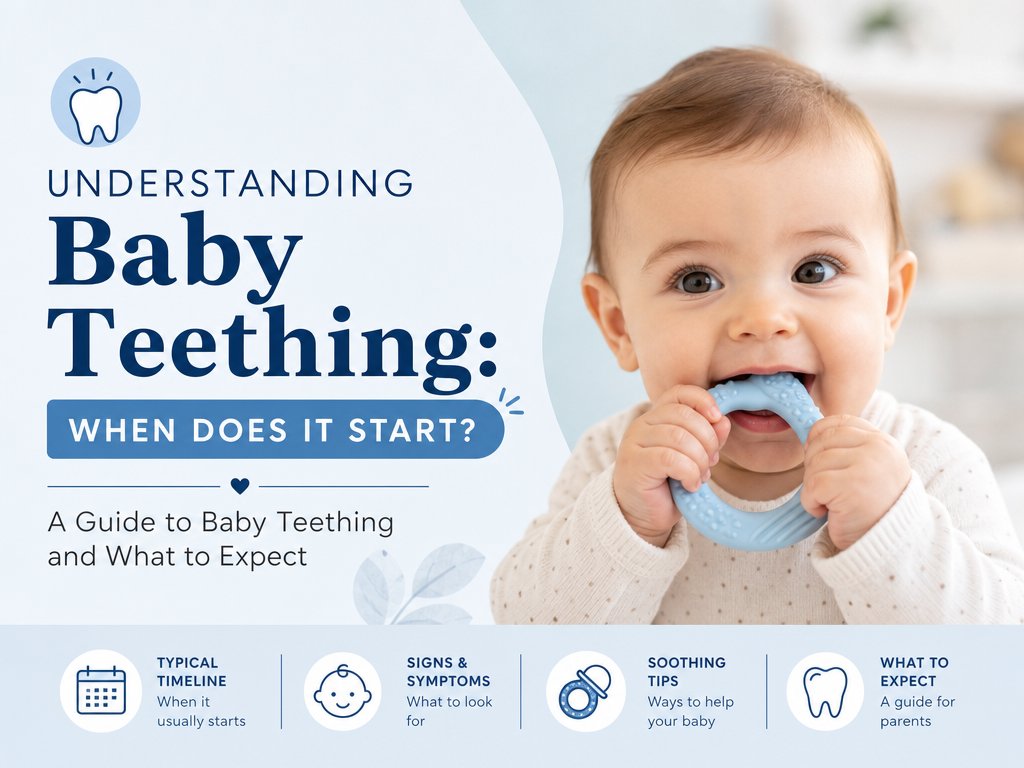
Introduction to Teething
Teething marks an incredibly significant milestone for babies as their primary teeth begin to emerge through their gums. This natural developmental process typically starts around six months of age; however, the onset of teething can vary widely among infants. Some babies begin the teething journey noticeably earlier, while others may show signs of teething later. Understanding the teething process can greatly help caregivers provide the necessary comfort and relief to their little ones during this pivotal and sometimes challenging time.
Teething Timeline
It’s common for parents to expect the first tooth to appear between the ages of four and seven months. Yet, some babies may start showing signs of teething as early as two or three months, while others might begin as late as nine months or even later without causing concern. The variation in the teething timeline can be attributed to numerous factors, including genetics and overall health. This individual variability means each child is unique, and the timing of teething can shift accordingly with their development.
Signs and Symptoms of Teething
The teething period is often accompanied by a range of symptoms that may cause some degree of discomfort for the baby. Typical teething symptoms include gum soreness and noticeable changes in feeding behavior, particularly if the baby is breastfeeding. Babies might start displaying a tendency to gnaw or bite more frequently, which can result in increased discomfort for them. Other common signs of teething include redness in the cheeks or the development of a slight rash around the mouth area. Additionally, parents might observe increased drooling, irritability, and difficulty sleeping. Slightly swollen gums or a mild fever can also be present during this challenging phase of teething.
Managing Teething Discomfort
To alleviate teething discomfort, parents can consider utilizing safe home remedies like chilled teething rings or providing a clean, damp washcloth for the baby to chew on. Offering these soothing items can help alleviate irritation in the baby’s gums. While there’s typically no need for professional medical intervention, any over-the-counter medications considered should only be used following pediatrician guidance. It’s crucial to avoid certain products, such as teething necklaces and homeopathic remedies, due to safety concerns. Parents should also remain vigilant about potential choking hazards and ensure effective supervision of any objects given to babies for chewing purposes, ensuring the baby’s safety.
Typical and Atypical Teething
By the age of three, most children will have developed a full set of primary teeth. However, variations in this timeline do exist. Consulting a dentist is advisable if there has been no sign of tooth emergence by 18 months. It’s important to remember that developmental timing can vary widely among different children. Some might experience faster or slower teething, and this generally shouldn’t be a major concern unless it coincides with other troubling symptoms or developmental delays that may need to be addressed.
Dental Care for Infants
Establishing good oral health practices from the very emergence of the first tooth is crucial for long-term dental health. Utilizing a gentle baby toothbrush and appropriate baby toothpaste twice daily will help prevent dental decay from occurring. By the age of three, a larger amount of fluoride toothpaste should be introduced into the oral care routine. Establishing and maintaining a consistent dental care routine from an early age helps foster long-term dental health. Parents should also be particularly mindful of monitoring the sugar content present in foods and drinks to prevent early childhood cavities. As sugar is a significant contributor to tooth decay, reducing its intake is essential.
When to Seek Professional Advice
Should the teething process seem notably delayed beyond 18 months, it is crucial to seek a dentist’s advice to rule out any underlying issues. Regular pediatric dental visits should commence by age one to ensure healthy oral development is occurring. Dentists can provide valuable guidance on teething progress and overall oral hygiene, ensuring that any potential problems are identified and addressed early, allowing for the best possible outcomes in your child’s dental health journey.
Conclusion
Although teething can be a challenging time, it is ultimately a natural and important developmental phase that contributes significantly to your child’s overall growth. Being prepared with the best understanding and appropriate strategies can make this period far more manageable for caregivers. As each child’s pace through the teething process is different and unique, patience and attentive care are key as they progress through each teething milestone. Embracing this phase with understanding and appropriate teething management strategies can significantly aid parents and caregivers. By taking these necessary steps, you can ensure that the teething experience is healthier and happier for both the child and their family, fostering a strong foundational basis for future dental health and wellbeing.