Understanding Bug Bites and Stings
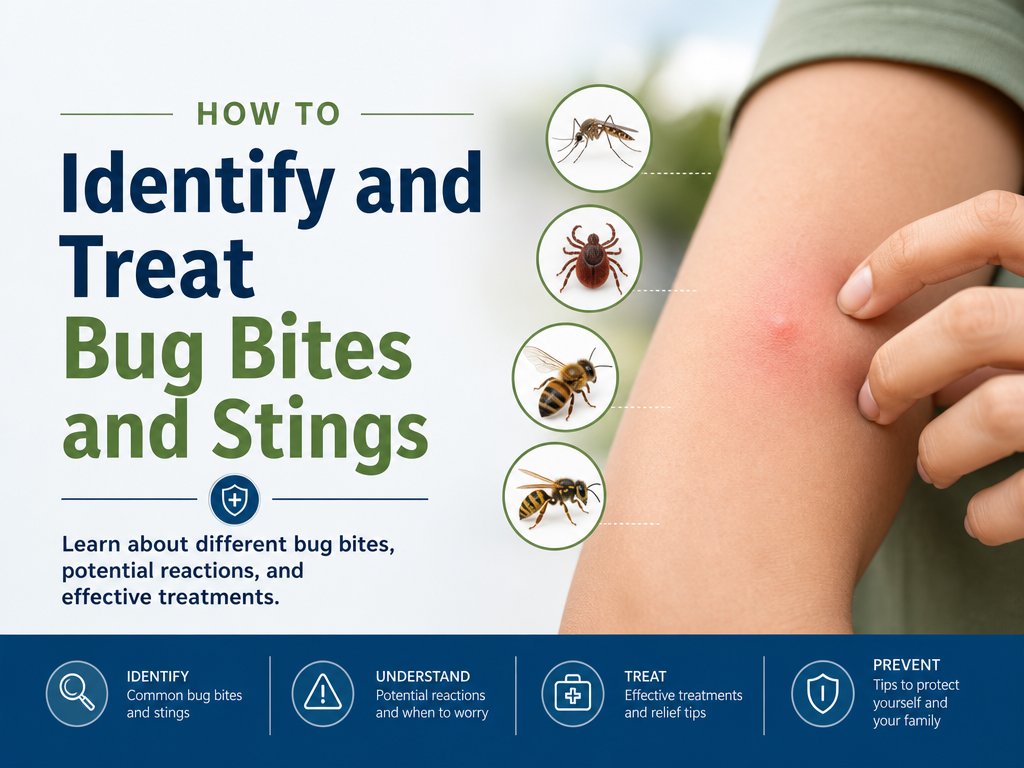
Initial contact from a bug bite or sting can be painful and is often accompanied by an allergic reaction to the venom left by the insect or arachnid. The appearance of the bite can vary based on its cause and the specific insect involved. While participating in outdoor activities such as hiking, camping, or swimming, you might encounter different insects like bees, ants, spiders, or scorpions. These creatures generally will not bother you unless provoked, making recognition crucial for your safety and comfort. Identification can be particularly important if you have known allergies or are sensitive to insect venoms.
Reactions and Risks
Most bug bites only cause minor discomfort, such as redness or mild itching, which can often be managed with simple home remedies. However, severe reactions, particularly allergies to venom, can pose significant health risks and potentially be life-threatening. Recognizing the symptoms of a more severe reaction, such as major swelling, intense itching, hives, and difficulty breathing, is important. This may indicate a serious allergic reaction that requires immediate intervention. If someone experiences these symptoms after a bite or sting, they should seek medical attention immediately, as prompt treatment can be crucial.
Prevention and Safety Measures
To effectively prevent these incidents, learning to identify and subsequently avoid potentially harmful insects is a key preventive strategy. Anaphylaxis represents a life-threatening emergency evidenced by critical symptoms like difficulty breathing, wheezing, dizziness, or a sudden drop in blood pressure. Understanding the warning signs and seeking immediate medical assistance when they present is vital to ensure safety and well-being. Using insect repellent, wearing protective clothing, and being aware of one’s surroundings when outdoors are practical steps to minimize the risk.
Variation in Bites
The specific form a bite or sting takes can vary significantly depending on the creature responsible. Larger insects or arachnids, such as bees or wasps, may not actively attack humans but will certainly defend themselves if they feel threatened or disturbed. Different species deliver different types and amounts of venom, resulting in varied bodily responses.
It is important to note that children, older adults, and those with compromised immune systems often experience more severe responses to bites or stings. If you begin to feel unwell in the days following such an encounter, it is essential to consult with a healthcare professional to rule out any potential complications, such as transferred diseases or infections, that might require more intensive treatment. Insect bites can sometimes also mimic other conditions, so accurate assessment is important for receiving the right care.
Treatment
Many bites and stings can be effectively managed at home using topical anti-itch creams, oral pain relievers, and antihistamines to alleviate discomfort. Applying a paste made from baking soda and water can also soothe itching. For severe reactions, such as an increase in swelling or an onset of symptoms indicative of an allergic reaction, calling emergency services is strongly advised. Detoxification measures might involve specific medical treatments, especially where systemic symptoms are present.
Retaining the insect, when safe to do so, can assist in medical diagnosis by helping professionals identify the specific threat involved more accurately, allowing for targeted treatment. This is especially important if symptoms rapidly escalate or unusual reactions occur. Knowing which type of insect you are dealing with can significantly influence the medical approach and potential outcomes.
Handling Specific Venomous Encounters
In the event of bites from particularly venomous creatures, such as black widow spiders, brown recluse spiders, or scorpions, seeking emergency medical care is crucial, even if symptoms initially appear mild. These species possess potent venoms, and prompt attention is essential to manage the situation effectively and mitigate potential complications. Time is of the essence in such cases, as delaying care can lead to more severe health issues or prolonged recovery periods.
Home Care and Monitoring
Typical bites generally heal within a few days, but continuous monitoring for signs of infection, such as increased redness, pus, or persistent pain, is essential. If a bite fails to heal properly or symptoms worsen, a medical review should be promptly sought. For those who experience severe allergic reactions, carrying and using an epinephrine auto-injector is vital. This can rapidly counteract the effects of anaphylactic shock, potentially saving lives when time is of the essence. Consultations with allergists for those with known vulnerabilities can further prepare individuals with an appropriate response plan tailored to their needs and risk factors.