The Frequent Occurrence of Head Lice
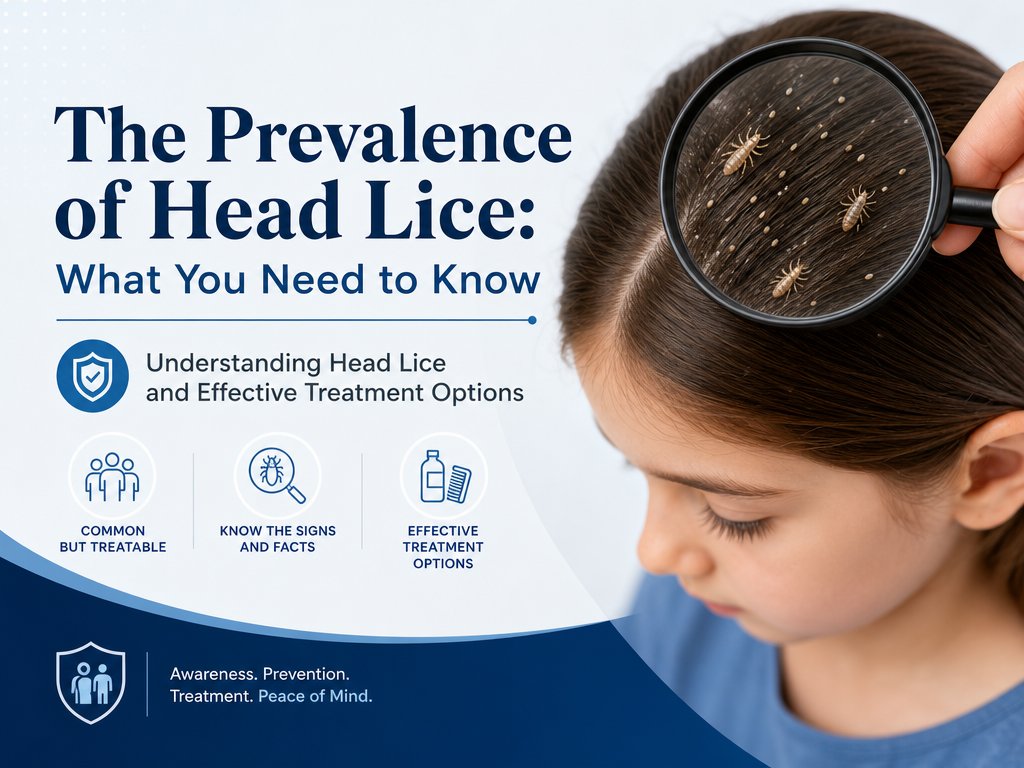
Head lice are common, particularly among children, but can affect anyone, regardless of personal hygiene or living conditions. These small parasitic insects thrive by feeding on human blood from the scalp but do not spread diseases. They primarily spread through direct head-to-head contact, making them easily transmitted, especially where close interaction occurs, like schools or social gatherings.
In the United States, approximately 6 to 12 million children aged 3 to 11 suffer from head lice annually. Globally, studies suggest about 19% of school-aged children experience lice infestations, showing lice transcend cultures and socioeconomic boundaries. This prevalence indicates lice are a universal concern, not restricted to any particular group or region. There’s no need for embarrassment about having head lice—it suggests close contact with an infested individual, which is common given how easily lice can spread.
Understanding How Lice Spread
Children in preschool and elementary school, along with others in their households, are particularly susceptible to lice. According to the Centers for Disease Control and Prevention (CDC), girls typically get head lice more than boys, possibly due to different play habits, like sharing hair accessories or playing in closer quarters. This pattern suggests behaviors associated with certain activities may influence transmission likelihood.
However, anyone can get head lice, regardless of age, hair type, or cleanliness. Lice are not picky about the heads they inhabit; they feed solely on scalp blood and can attach to hair follicles to lay eggs. While they prefer hair, technically you can still contract lice even with no hair, though they may not survive long without hair to cling to. This fact underscores that lice infestations are not linked to hygiene but rather the nature of transmission.
Rarely, lice are spread by sharing hairbrushes, hats, or accessories, though close head contact remains the most common transmission method. This highlights the importance of personal space and awareness in preventing the spread of lice in environments where individuals are in close proximity.
Preventative Strategies and Treatment
To prevent lice, it’s best to avoid head-to-head contact and sharing personal items like hats or brushes. Educating about these preventative measures is crucial, especially in settings with young children. Schools and parents can play a significant role in disseminating this information.
If an infestation occurs, start treatment immediately to minimize the spread and discomfort associated with lice. Both over-the-counter (OTC) and prescription treatments are effective, usually requiring a second application 7 to 9 days after the first to eliminate newly hatched lice. Treatments should be thorough, following guidelines to ensure all lice and nits are eradicated.
Remember, obtaining lice isn’t linked to poor hygiene or cleanliness. Lice infestations are a widespread issue affecting millions annually, particularly children. If you suspect lice, immediate treatment with professional guidance is optimal. Healthcare professionals can provide valuable information on managing persistent lice issues and recommend the best treatment options available.
Our understanding of lice shows these infestations are common and manageable. By dispelling myths and focusing on effective treatment and prevention, individuals can tackle these pesky parasites efficiently. Public awareness campaigns and educational programs can play a key role in reducing the stigma and occurrence of lice infestations.
In summary, head lice are a common issue that often affects children, but can impact anyone. Awareness, prevention, and prompt treatment are key to managing and reducing lice outbreaks, contributing to a healthier and more informed public.