Overview of Dental Braces
Dental braces serve multiple purposes: they straighten teeth, correct bite issues, and enhance the aesthetics of a smile. However, braces aren’t uniform in design or function; different types are suited for various dental needs. These orthodontic devices are instrumental in correcting alignment issues, such as crooked teeth and malocclusions, which can contribute to improved oral health and prevent future dental problems associated with misaligned teeth, such as tooth decay and gum disease.
Introduction to Damon Braces
Among the available options, Damon braces represent a unique type of orthodontic system. They employ a self-ligating sliding mechanism, which sets them apart from the traditional elastic ties used in conventional braces. This technological advancement allows braces to adjust and tighten over time without the need for manual intervention at regular intervals. This system has gained popularity amid claims of enhanced clinical performance, though these claims lack comprehensive scientific backing at this point in time. Enthusiasts of this method praise its innovative design and potential advantages.
Characteristics of Damon Braces
Advocates suggest that Damon braces may be more comfortable than traditional braces. The sliding mechanism is designed to allow teeth to move more naturally, potentially reducing discomfort. Furthermore, these braces exert lighter force, which might contribute to better overall comfort for users. Additionally, Damon braces are identified as simpler to clean due to having fewer components, providing an advantage in maintaining oral hygiene which is crucial for dental health. The simpler design can help patients ensure that food particles are less likely to become trapped, reducing the likelihood of cavities and gum disease during treatment. Patients often find that the easier maintenance of Damon braces leads to improved long-term dental health outcomes.
Comparison with Other Braces Systems
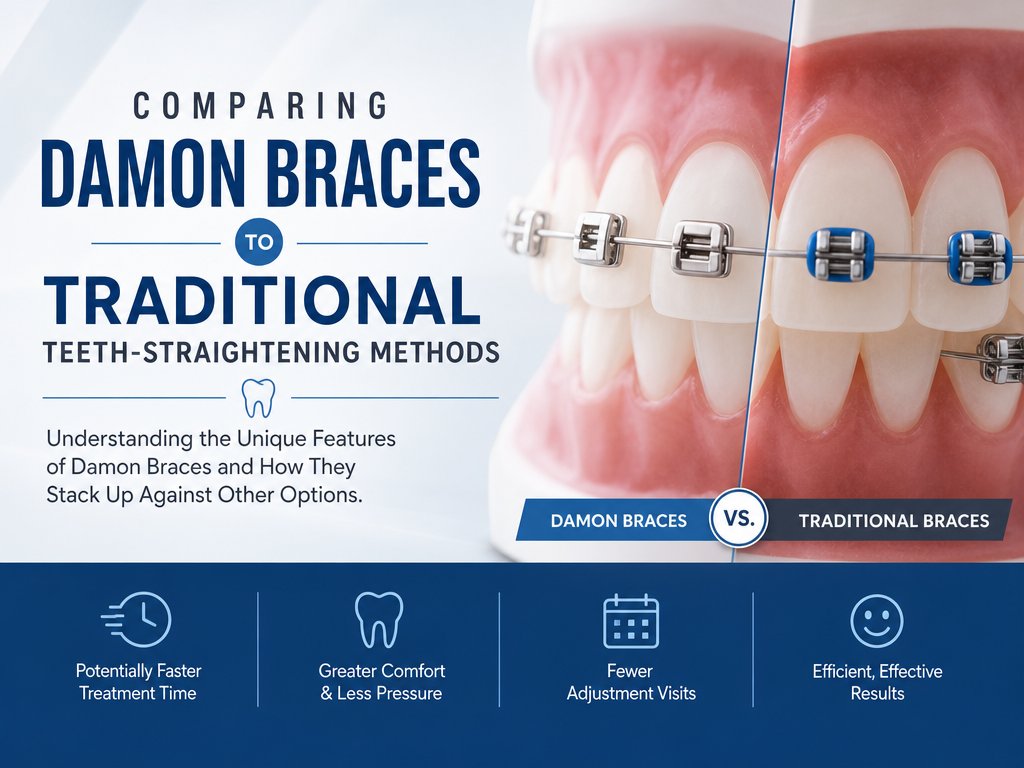
Traditional braces are known to involve elastic bands to secure wires and brackets, often resulting in greater pressure and noticeable elastic ties. In contrast, Damon braces eliminate these elastic components, making oral hygiene simpler and more convenient by reducing potential areas for bacterial accumulation. The elimination of elastics not only makes them less conspicuous but may also enhance their durability and effectiveness during the treatment period.
While traditional braces are roughly comparable in cost to Damon braces, typically ranging from $3,000 to $7,000, the exact price depends on the specifics of individual treatments, including the complexity of the case and duration of treatment. Damon braces come in various styles, both metal and clear, offering flexibility in addressing a variety of dental issues, including overcrowding, overbites, and underbites.
Alternatives to Damon Braces
Another popular alternative is Invisalign clear aligners, favored for their subtlety and the ease with which they can be removed. Despite superior comfort for some users, these aligners necessitate diligent daily maintenance and a commitment to wearing them at least 22 hours daily. Invisalign treatment typically costs around $3,000 to $7,000, offering a potentially shorter treatment time of 12 to 18 months, compared to the up to 36 months that might be required for Damon or traditional braces. This advantage in treatment time is significant for patients seeking faster results. Invisalign’s removability makes it a convenient option for eating, brushing, and flossing, minimizing disruption to daily routines.
Dental insurance often covers part of the cost for Damon braces or other orthodontic treatments. However, it’s important to note that coverage can vary, so consulting with your insurance provider is advisable to obtain an accurate understanding of your financial obligations. Some insurance plans might only cover certain types of braces or might require significant copayments, so discussing your options with both your orthodontist and insurance company can help in planning for the expense. Being informed about your coverage ensures that you can make appropriate financial preparations and decisions.
Conclusion: Evaluating the Options
Ultimately, the choice between Damon braces and other orthodontic treatments largely hinges on individual treatment needs and personal preferences. While Damon braces offer certain perks, such as improved oral hygiene and potentially increased comfort, their overall superiority over traditional braces remains unproven. Consulting with an orthodontist can provide valuable insight and help determine the most effective treatment method based on your specific dental conditions, ensuring that you achieve the desired outcome for your smile and oral health. Such consultations can offer personalized advice, taking into account factors such as the severity of misalignment, patient’s age, lifestyle preferences, and any aesthetic concerns, making sure that the selected treatment aligns well with the patient’s expectations and needs. It’s crucial to weigh the pros and cons of each option to find the best fit for your unique situation and to understand the commitment involved, ensuring satisfaction with the final results.