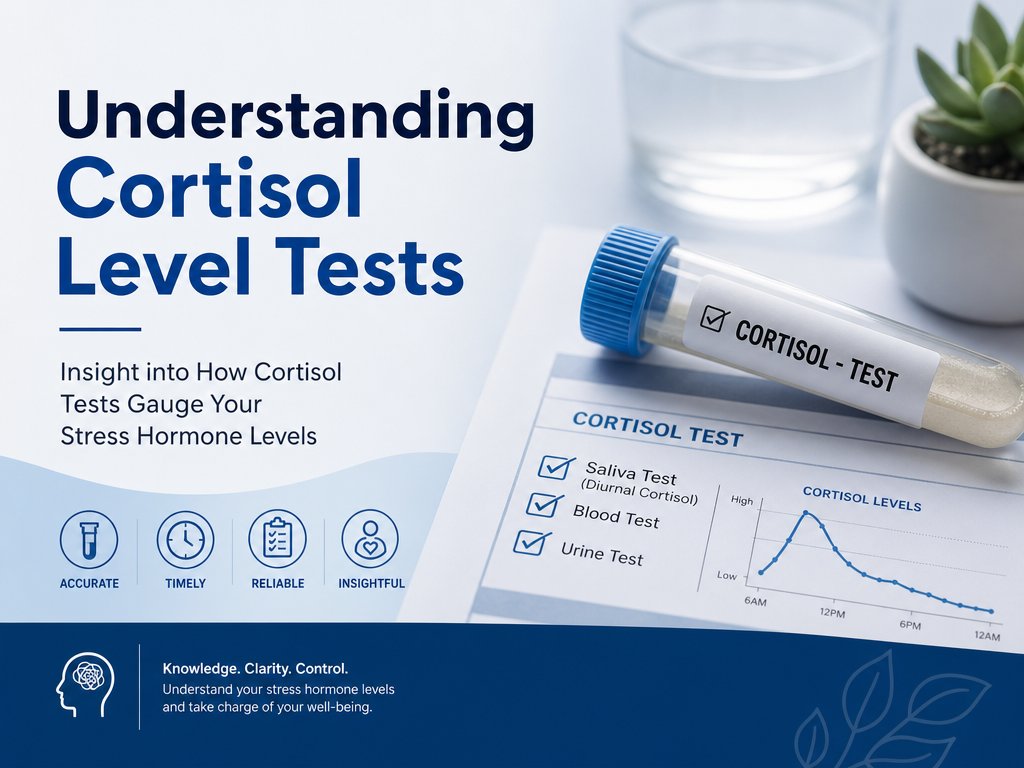
What is a Cortisol Level Test?
A cortisol level test is a diagnostic tool used to measure the amount of cortisol, a vital steroid hormone, in your blood. Often referred to as a serum cortisol test, it primarily measures how well your adrenal glands, located atop your kidneys, are functioning. Cortisol plays an integral role in how our bodies respond to stress and maintain essential functions such as metabolism and immune response.
The Role of Cortisol
Cortisol is often associated with the body’s immediate response to stressful situations, often labeled as the fight, flight, or freeze response. When the brain perceives something threatening, such as the sound of a barking dog or an unexpected situation, it signals the release of adrenocorticotropic hormone (ACTH), which prompts the adrenal glands to secrete cortisol. This hormone surge provides a burst of energy, increases alertness, and can enhance strength and endurance temporarily.
Why is the Test Important?
The cortisol test is crucial in diagnosing and managing conditions that affect cortisol levels, such as Addison’s disease and Cushing’s disease. Addison’s disease occurs when the adrenal glands produce insufficient cortisol, while Cushing’s disease results from overproduction. This test can also help evaluate the functionality of both the adrenal and pituitary glands, which can affect overall health and wellbeing.
What the Test Involves
The most common form of the cortisol test involves drawing a blood sample, usually performed in the morning when cortisol levels tend to be highest. This timing is important as cortisol levels naturally fluctuate throughout the day, typically being highest in the morning and lowest in the evening. The procedure does not require you to fast beforehand. However, for individuals valuing privacy or convenience, at-home test kits are available and provide an alternative to lab visits, offering guidance on how to collect the sample and send it to a lab for analysis.
Factors Affecting Cortisol Levels
Several factors can influence cortisol levels, including the use of specific medications, physical or emotional stress, and irregular sleep patterns. Abnormally high cortisol levels may indicate underlying health problems, such as chronic stress, obesity, or hyperthyroidism.
Risks and Considerations
While obtaining a blood sample is generally a safe procedure with minor risks such as slight bruising at the puncture site, more serious complications are rare. It is essential to have a thorough discussion with your healthcare provider about any medications you may be taking, as certain drugs can affect cortisol production and lead to misleading test results. This conversation can help ensure that results are interpreted accurately.
Interpreting Test Results
Typically, normal cortisol levels range from 6 to 23 micrograms per deciliter when measured at about 8 a.m. These values can vary based on the laboratory and the individual. After the test, your doctor will analyze the results, discuss them with you, and might recommend further testing if your cortisol levels are outside the standard range. Such investigative steps can help pinpoint any underlying health issues, aiding in early intervention and better management of potential disorders linked to cortisol imbalance.