Nonspeaking Autism: An Overview
Definition and Challenges
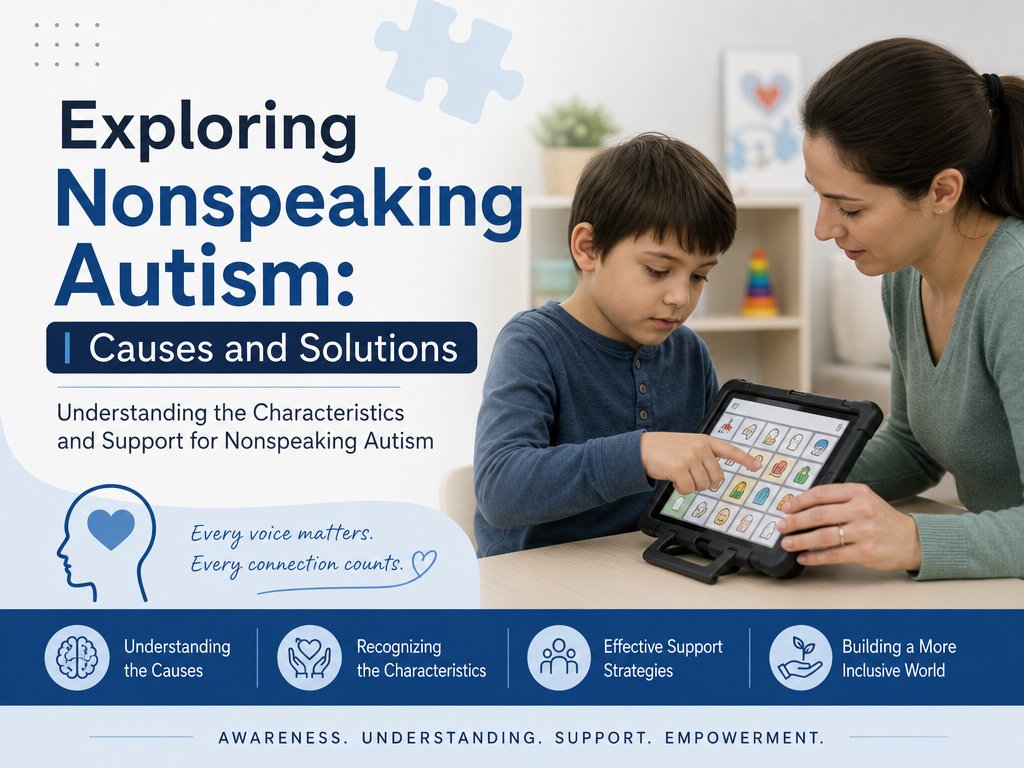
Nonspeaking, or nonverbal, autism refers to a condition in which autistic individuals experience speech delays or difficulties, manifesting in numerous ways and with varying degrees of severity. Some individuals might not speak at all, but they might find ways to communicate through alternative methods, such as sign language, visual supports, or augmentative and alternative communication (AAC) devices. Additionally, they may understand spoken language to a significant extent without being able to verbalize their own thoughts.
Autism Spectrum Disorder and Communication
Autism Spectrum Disorder (ASD) encompasses a broad range of neurodevelopmental disorders that primarily impact communication and social interaction capabilities, and is characterized by a wide array of challenges and strengths. While some individuals with ASD have minimal support needs and can successfully navigate everyday communication, others require a significant amount of assistance, especially those who are nonspeaking. This particular subgroup accounts for approximately 25 to 30 percent of children diagnosed with ASD. Promoting understanding and offering tailored accommodations can be vital in helping these individuals reach their full potential.
Symptoms and Behavioral Characteristics
Primary symptoms of nonspeaking autism include difficulty speaking or effectively engaging in conversations due to conditions such as apraxia of speech, wherein the coordination of mouth and speech movements is significantly impaired. Others may demonstrate echolalia, a repetition of words or phrases previously heard, which they might use as a coping mechanism. Some individuals could also experience regression in verbal skills as they grow older, finding that previously acquired language abilities begin to recede. In addition to speech issues, other characteristics might include sensory sensitivities and particular behavioral patterns, and these can be cataloged in various ways, thus providing a comprehensive understanding of each individual’s unique needs and strengths.
Diagnosis and Screening
The diagnosis of nonspeaking autism involves a comprehensive, multi-step screening process, generally initiated by a pediatrician during routine developmental check-ups. Various tests might be employed to exclude other medical conditions, such as hearing impairments, and referrals to specialists are often recommended to ensure a thorough evaluation is conducted. Autism-specific assessments contribute to confirming an accurate diagnosis, facilitating the creation of tailored intervention plans that cater specifically to the needs of the individual.
Possible Causes and Myths
The investigation into the causes of autism is ongoing, as no single cause has been definitively identified. Research suggests a combination of genetic predispositions and certain environmental influences may be factors contributing to the development of autism. In the past, myths, such as the erroneous belief that vaccines cause autism, have been debunked through scientific research, allowing the focus to shift toward more relevant studies. As understanding of autism evolves, it paves the way for better-informed strategies and supportive measures that can benefit those affected by autism.
Intervention and Support Strategies
Early intervention is deemed critically important, with a strong focus placed on therapies aimed at improving communication skills. Notable methods include speech therapy, occupational therapy, and the implementation of various assistive communication devices, all of which are designed to help engage nonspeaking children with others and foster any potential language development. Consistent support from dedicated healthcare professionals, educators, and family members can significantly enhance long-term outcomes, promote a higher quality of life, and encourage meaningful social interactions.
Parenting programs can also be included as part of a comprehensive plan. Such programs focus on empowering parents with knowledge, helping them understand how best to nurture and support their children.
Early Detection and Parental Guidance
Parents are frequently the first to observe early symptoms of autism, which typically become apparent before their child reaches 24 months of age. It is crucial for parents to engage proactively with healthcare providers, seeking second opinions if necessary, to ensure any developmental concerns are addressed promptly. Parents are encouraged to trust their instincts regarding their child’s development and advocate on their behalf to ensure that they receive the necessary support and resources conducive to their growth and success. Actively collaborating with professionals to apply consistent strategies at home and in other daily settings can be equally beneficial.
Conclusion
Promoting support and awareness is absolutely essential for enhancing opportunities and outcomes for individuals with nonspeaking autism. Early diagnosis, combined with effective, targeted interventions, establishes a strong foundation for continuous success and the robust development of communication skills. By fostering supportive and inclusive environments and promoting understanding throughout the community, society can help individuals with nonspeaking autism lead fulfilling and impactful lives, where they can share their unique perspectives and talents with the world. Through collective efforts, these doors of opportunity can be continually expanded to maximize the untapped potential present within the nonspeaking autism community.