Understanding Wet AMD and Its Impact on Vision
Age-related macular degeneration (AMD) is a prevalent eye condition that manifests primarily in two forms: dry AMD and wet AMD. Wet AMD, in particular, is concerning and often more severe due to the development of abnormal blood vessels which leak blood and fluid into the macula. The macula, an integral part of the retina, is responsible for our central vision. When impacted by this leakage, individuals may experience visual symptoms like spots, wavy lines, and blurriness, with peripheral vision usually remaining unaffected. These symptoms can lead to significant impairments in daily activities such as reading, driving, and recognizing faces.
The Role of the Amsler Grid
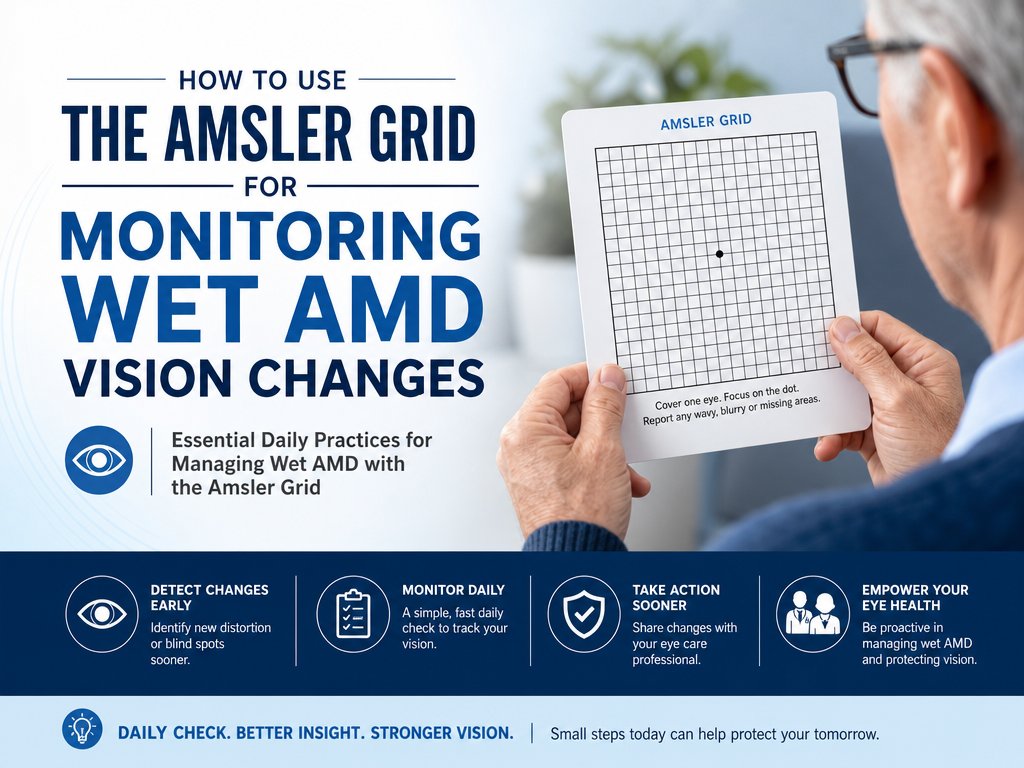
A critical tool for managing wet AMD is the Amsler grid, a straightforward yet effective device introduced almost 80 years ago by Swiss ophthalmologist Dr. Marc Amsler. It remains indispensable in diagnosing and monitoring macular conditions today. This tool comprises a grid of vertical and horizontal lines forming squares, which allows patients to easily use it at home in under a minute, aiding in the detection of any visual changes. The grid helps identify even subtle variations in vision that might otherwise be overlooked until they are more advanced.
The Importance of Daily Testing
Routine application of the Amsler grid in one’s daily regimen is pivotal for those with wet AMD to detect incremental vision changes. By integrating this tool into everyday life, patients often identify issues that could otherwise go unnoticed. When variations are detected, it signals the need for an immediate eye doctor consultation. Early diagnosis and intervention can effectively slow the advancement of wet AMD, preserving as much visual acuity as possible. Although the Amsler grid should supplement rather than replace regular professional eye exams, its frequent use empowers patients with an additional layer of monitoring.
Steps for Effective Use of the Amsler Grid
To optimize usage, obtain or print the grid on high-quality, pure white matte paper from an eye care professional. Keeping two copies—each assigned to a specific eye—enables convenient recording of any changes observed in vision. It’s crucial to maintain consistency in the testing environment to keep results reliable over time.
Incorporating into Daily Life
Place the grids in an area where they’re visible and used every day, such as on the refrigerator or by the coffee maker. Conduct the test in a well-lit room to avoid any shadows or glare affecting the results. Utilize reading glasses during the test if you normally wear them to read. Ensuring consistency in positioning and lighting can contribute to better comparison of daily results.
Performing the Test
To perform the test, hold the grid at a distance suitable for reading and focus on the central black dot with one eye covered. Observe the surrounding lines to detect any appearance of distortion, missing spots, or blurriness. Make notations of observed anomalies directly on the grid. Then, switch to the other eye and repeat the process, noting any differences. Consistent tracking of these observations over time is crucial. Should any irregularities be observed, immediate consultation with your eye doctor is crucial, as early treatment, including possible injections, can significantly slow down the progression of the disease. This proactive approach allows for timely interventions that can better preserve vision.
Concluding Thoughts
The Amsler grid stands out as a valuable resource for identifying early visual changes linked to wet AMD. While it is an excellent tool for home monitoring, it should complement professional eye assessments instead of replacing them. For individuals contending with wet AMD, incorporating daily use of the grid can facilitate timely medical intervention and more efficient management of the condition. It is paramount in proactive eye health management, ensuring that early-stage changes can be addressed swiftly.
Your Partner in Eye Health
Regular testing with the Amsler grid can profoundly impact the management strategy for wet AMD. By alerting users to subtle changes requiring professional evaluation, the grid underscores the importance of prompt treatment to positively influence AMD’s progression. Therefore, protecting and preserving your vision remains an achievable goal, ensuring maximum visual function for as long as possible. Consistent eye health monitoring, coupled with professional advice, remains key to maintaining optimal vision quality. Working closely with an eye care professional to incorporate the Amsler grid into a comprehensive eye health routine can maximize the benefits of this tool while ensuring that the overall management of wet AMD is as effective as possible.